Hitotsume-kozo
Introduction

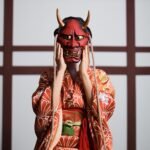
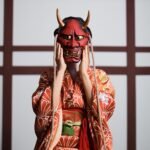
Hitotsume-kozo is a well-known figure in Japanese folklore and yokai tradition: a childlike one-eyed monster or spirit, usually depicted as a bald monk’s novice with a single large eye in the center of the forehead. As a type of yōkai—the broad Japanese category of supernatural beings, strange apparitions, and folkloric creatures—Hitotsume-kozo occupies an important place in the study of premodern Japanese belief, visual culture, and popular storytelling.
Unlike major deities or heroic figures, Hitotsume-kozo is not a single, fixed character with a universally agreed mythology. Rather, it is a recurring folkloric image that appears in regional tales, Edo-period bestiaries, and later interpretations of Japanese monsters. Its significance lies in what it reveals about Japanese attitudes toward the uncanny: the blending of Buddhist imagery, childlike innocence, religious satire, and comic fright.
Origin and Meaning
The name Hitotsume-kozo (一つ目小僧) is generally translated as “one-eyed boy” or “one-eyed acolyte.”
- Hitotsume means “one-eyed” or “single eye.”
- Kozo literally means “young boy,” “novice,” or “acolyte,” often suggesting a temple attendant or a child in clerical robes.
This name is descriptive rather than genealogical. It identifies the being by appearance, especially its striking eye and its resemblance to a Buddhist temple novice. In Japanese folklore, many yokai names are formed from visible traits, and Hitotsume-kozo is a strong example of this naming convention.
The historical origin of the figure is not traceable to a single ancient text or event. Instead, it developed gradually within Japanese folk belief and illustrated storytelling. The image likely drew on several overlapping traditions:
- Fear of strange beings in liminal spaces such as roads, gates, and temple grounds.
- Buddhist iconography, especially the figure of a novice monk.
- Popular amusement in urban Japan, where yokai became subjects of prints, story collections, and playful classification.
Historical Context
Hitotsume-kozo belongs to the broader world of Japanese yōkai folklore, which flourished in oral traditions, temple legends, and Edo-period popular culture. The Edo period (1603–1868) was especially important in the shaping of recognizable yokai imagery. During this time, printed books, illustrated encyclopedias, and humor collections standardized the appearance of many supernatural beings.
Religious and Cultural Background
Japanese folklore often combines elements from:
- Shinto: the presence of spirits in natural places and objects.
- Buddhism: temple imagery, ascetic figures, and karmic interpretations of strange encounters.
- Local belief and oral tradition: regional stories explaining unusual sightings or nocturnal experiences.
Hitotsume-kozo appears in a cultural environment where uncanny beings were not always treated as demons in a strict sense. Some were seen as dangerous, others as mischievous, and many as ambiguous presences that could frighten, amuse, or instruct.
Edo-Period Yokai Catalogues
The Edo period produced influential visual and literary compilations of yokai. These works did not necessarily preserve ancient “original” versions; rather, they shaped how later generations imagined monsters. Hitotsume-kozo became one of the identifiable figures in this expanding visual taxonomy of the supernatural.
Main Characteristics
Hitotsume-kozo is usually described with a set of distinctive visual traits. Although details vary by source, the creature is commonly shown as:
- A small, child-sized figure
- Wearing temple novice clothing or simple robes
- Bald or closely shaven
- Having one large eye in the center of the forehead
- Sometimes carrying an expression that is blank, eerie, or mischievous
The creature’s appearance creates an unsettling contrast. It seems partly human, partly religious, and partly monstrous. The novice-like clothing makes the figure recognizable and even innocent-looking, while the single eye introduces surprise and unease.
Common Visual Motifs
| Feature | Typical Meaning |
|---|---|
| One eye | Singularity, strangeness, supernatural otherness |
| Child-like body | Ambiguity between innocence and threat |
| Buddhist novice robe | Religious association, temple setting, parody or inversion |
| Bald head | Temple life, ascetic identity, stylized yokai imagery |
Hitotsume-kozo is often less associated with active violence than with shock, surprise, or eerie encounters. In some portrayals, it merely appears suddenly to startle people.
Family and Genealogy
Unlike gods or legendary heroes, Hitotsume-kozo does not have a stable family tree in classical mythology. There is no universally accepted genealogy in the way one finds for major kami or Greek gods.
Variations in Tradition
Different local traditions and later folkloric interpretations sometimes connect one-eyed beings to broader categories of spirits or monster families. However, these connections are not consistent enough to be treated as canonical. In most encyclopedia contexts, Hitotsume-kozo should be understood as an independent yokai type, not as a member of a fixed supernatural dynasty.
Important Note on Sources
Because yokai lore often varies by region and period, family relationships are rarely standardized. Where lineage is mentioned, it is usually speculative, symbolic, or added by later compilers rather than preserved from a single ancient tradition.
Symbols
Hitotsume-kozo is associated with several symbolic elements, especially those connected to Buddhist and folkloric imagery.
Key Symbols
- The single eye: symbolizes uncanny perception, singularity, vigilance, and abnormality.
- Temple novice clothing: suggests religious association, but also possible satire or inversion of sacred figures.
- Children’s appearance: links the creature to liminality and ambiguity.
- Shaved head: evokes monastic life and temple discipline.
The eye is the most important symbol. In many cultures, one-eyed beings are linked to unusual sight, monstrous difference, or a heightened connection to hidden realities. In the Japanese context, the single eye can also function as a visual joke or grotesque exaggeration.
Sacred Animals
There are no universally recognized sacred animals specifically associated with Hitotsume-kozo. Unlike gods or shrine deities, this yokai does not possess a formal cultic animal companion.
That said, in Japanese folklore more broadly, animals such as foxes, raccoon dogs, snakes, and crows often serve as spirit-associated creatures. Some modern interpretations of yokai place Hitotsume-kozo in a world where animal-transforming beings and ghostly apparitions coexist, but such connections are not part of a standard traditional narrative.
Folkloric Context
If an animal association is discussed, it is usually symbolic rather than canonical. The figure’s identity is tied more strongly to human religious imagery than to animal symbolism.
Sacred Plants
There are no specific sacred plants widely tied to Hitotsume-kozo in classical sources. No known plant functions as a standard attribute in the way lotus flowers are linked to Buddhist symbolism or pine and bamboo to other Japanese spiritual traditions.
However, because Hitotsume-kozo is often framed in a temple or roadside setting, later artists and storytellers may place the figure among:
- temple trees,
- bamboo groves,
- dark forest edges,
- or roadside weeds and grasses.
These environments reinforce the creature’s liminal role, but they are not evidence of a formal plant cult.
Sacred Places
Hitotsume-kozo is most often associated with places where the ordinary world meets the strange. The creature is not tied to one official shrine or temple, but it frequently appears in settings with religious or boundary symbolism.
Common Locations in Folklore
- Temple grounds
- Roads and crossroads
- Mountain paths
- Village outskirts
- Dim or abandoned places
- Gateways and thresholds
These are classic Japanese folkloric spaces where spirits and yokai are believed to appear. The temple association is especially important because the being’s novice-like appearance suggests a link to Buddhist institutions.
Cultural Significance of Place
The idea of encountering a strange one-eyed novice in such places underscores the Japanese folkloric concept of ma, or the in-between space. Hitotsume-kozo belongs to the threshold: not quite human, not quite divine, and not fully monstrous.
Powers and Attributes
Hitotsume-kozo is not usually portrayed as an immensely powerful monster. Its significance comes from its uncanny presence rather than destructive force.
Commonly Attributed Abilities
- Sudden appearance
- Startling or frightening humans
- Eerie observation with a single eye
- Movement through ordinary or sacred spaces
- Comic or unsettling disruption of expectations
Some later retellings emphasize that the creature simply appears and stares. The one eye suggests intense attention, as if the being sees what ordinary people cannot. In folklore, that kind of vision is often more disturbing than physical strength.
Role in Folklore
Hitotsume-kozo often functions as:
- a warning figure,
- a trickster-like apparition,
- or a visual emblem of surprise.
In some contexts, the creature may be little more than a childlike ghost or a playful monster image. Its power is therefore best understood as psychological and symbolic, not martial.
Main Myths
There is no single universal myth of Hitotsume-kozo comparable to the great cycle myths of gods and heroes. Instead, it appears in multiple short tales, regional stories, and illustrated folklore collections.
Common Story Pattern
A typical encounter may involve:
- A person walking near a temple, road, or isolated place.
- A small novice-like figure appearing unexpectedly.
- The figure revealing a single eye in the forehead.
- The human witness reacting with fear or surprise.
- The being disappearing or remaining only briefly visible.
These stories often do not explain the creature’s origin in detail. The point is the encounter itself.
Folkloric Function
The mythic value of Hitotsume-kozo lies in repetition and recognizability. It represents the category of the strange child-monk, a figure that can appear without elaborate backstory. In that sense, it resembles many yokai whose existence is defined by appearance and behavior rather than by a fully developed mythological genealogy.
Relationship with Other Mythological Figures
Hitotsume-kozo belongs to the large and diverse Japanese yokai world, where many beings overlap in shape and function.
Related Figures
- Other one-eyed yokai: Japan has several one-eyed or partially one-eyed monsters.
- Temple-related spirits: beings whose form recalls monks, novices, or religious personnel.
- Child-like yokai: small, youthful creatures that are eerie precisely because of their age-like appearance.
- Hybrids of human and monster imagery: figures that blur categories.
Similarity and Distinction
Hitotsume-kozo is sometimes compared with other one-eyed beings such as Hitotsume-nyūdō, another Japanese yokai with a single eye and priest-like features. Different traditions and compilers may distinguish them in different ways, and some modern audiences may conflate them. In general, however, Hitotsume-kozo is the more childlike and novice-like version, while other one-eyed figures may appear more adult or priestly.
Social and Religious Tension
The monk or novice imagery also makes the figure potentially satirical. In some folkloric contexts, yokai that resemble clergy can reflect popular ambivalence toward religious authority, temple life, or ritual formality.
Worship and Cult
There is no known formal worship cult for Hitotsume-kozo in the way one might find for a shrine deity or local tutelary god.
Ritual Context
Hitotsume-kozo is not generally an object of prayer, offerings, or pilgrimage. Instead, it belongs to the realm of:
- folk storytelling,
- children’s ghost stories,
- festival entertainment,
- and yokai illustration.
Indirect Ritual Significance
Although not worshipped directly, the figure fits into Japanese ritual life in a broader sense. Temple imagery, thresholds, and fear of supernatural encounters are all part of the spiritual environment in which such beings were imagined. In this context, Hitotsume-kozo can be seen as a folkloric byproduct of religious culture rather than a cultic object.
Ancient Sources
Hitotsume-kozo is not prominent in the oldest canonical Japanese mythological texts such as the Kojiki or Nihon Shoki. It is primarily known through later folkloric and visual traditions.
Primary and Classical Source Context
Because yokai names and forms often developed later than the classical mythological corpus, the best-known sources for Hitotsume-kozo are:
- Edo-period yokai compendia
- Illustrated bestiaries
- Regional folklore collections
- Later ethnographic and folkloristic studies
Unlike figures from Homer, Hesiod, or Ovid, Hitotsume-kozo is not anchored in a single ancient “canonical” text recognized across a broad classical tradition. The evidence for the creature is dispersed and interpretive.
Scholarly Caution
Modern readers should be careful not to assume that later illustrated versions represent ancient truth unchanged. Many yokai, including Hitotsume-kozo, were standardized by early modern artists and writers.
Roman Equivalent
There is no direct Roman equivalent to Hitotsume-kozo.
If a loose analogy is useful, one might compare it to:
- a minor household or roadside spirit,
- a grotesque monster-child,
- or a satirical religious apparition.
However, these comparisons are only approximate. Roman mythology does not contain an exact counterpart with the same visual and cultural associations. Hitotsume-kozo is specifically shaped by Japanese Buddhist, folkloric, and Edo-period artistic contexts.
Influence on Modern Culture
Hitotsume-kozo remains visible in modern Japanese and international depictions of yokai.
In Literature and Scholarship
The creature appears in:
- folklore studies,
- yokai encyclopedias,
- children’s books,
- reference works on Japanese monsters,
- and academic discussions of popular religion and visual culture.
In Visual Media
Modern illustrators, manga artists, and game designers often include Hitotsume-kozo in broad yokai ensembles. It may appear as:
- a small supernatural enemy,
- a background monster,
- a comedic figure,
- or a collectible creature.
In Popular Culture
The one-eyed novice is part of the wider global fascination with Japanese monsters. Its design is easy to recognize and adapt, making it useful in:
- anime-inspired art,
- tabletop games,
- video games,
- and museum or exhibition displays on yokai.
Cultural Value Today
Modern interest in Hitotsume-kozo reflects wider appreciation for yokai as part of Japan’s intangible cultural heritage. The figure also helps audiences understand how folklore can mix fear, humor, and religious imagery.
Curiosities
Lesser-Known Facts
- Hitotsume-kozo is often categorized less as a major demon and more as a minor yokai type with memorable visual impact.
- The figure’s name is descriptive, which makes it easy to recognize even without a long myth.
- It is one of several Japanese one-eyed beings, showing how single-eye imagery recurs in folklore.
- The novice clothing gives the creature a paradoxical identity: it looks both innocent and unsettling.
- Modern images of Hitotsume-kozo are heavily influenced by Edo-period and later artistic conventions.
Interesting Observations
| Curiosity | Explanation |
|---|---|
| No single origin myth | The creature developed through folklore and illustration rather than one canonical story |
| Childlike form | Makes the monster more eerie because it appears harmless |
| Temple association | Links the yokai world with Buddhist visual culture |
| One eye as motif | Common symbol of abnormal perception and uncanny difference |
Frequently Asked Questions
What is Hitotsume-kozo?
Hitotsume-kozo is a Japanese yokai, usually depicted as a childlike one-eyed being dressed like a Buddhist novice.
Is Hitotsume-kozo a god or demon?
No. It is generally considered a folkloric yokai rather than a deity. It is not part of mainstream worship as a god.
Where did Hitotsume-kozo come from?
Its exact origin is unclear. It emerged from Japanese folk belief, temple imagery, and later Edo-period yokai illustration and storytelling.
Is Hitotsume-kozo dangerous?
In most accounts, it is more frightening or surprising than truly destructive. It is usually portrayed as an eerie apparition rather than a powerful monster.
How is Hitotsume-kozo different from other one-eyed yokai?
It is typically shown as smaller and more childlike, with the appearance of a temple novice. Other one-eyed yokai may look more adult or priestly.
Does Hitotsume-kozo have a cult or shrine?
There is no widely known formal cult or dedicated shrine worship associated with it.
Why is the figure important?
Hitotsume-kozo is important because it illustrates how Japanese folklore combines religion, humor, fear, and visual symbolism in the creation of yokai.
Conclusion
Hitotsume-kozo is a striking example of Japanese folkloric imagination. As a one-eyed novice-like yokai, it embodies the blend of the sacred and the uncanny that characterizes much of Japan’s supernatural tradition. Although it lacks a single authoritative myth or formal cult, it has endured through folklore, illustration, and modern popular culture.
Its enduring appeal comes from its simple but powerful design: a childlike figure, a monk’s robe, and one impossible eye. That image captures a central quality of yokai as a whole—beings that are at once familiar and strange, playful and unsettling, human-like and profoundly other.

Orin Vale has spent the better part of two decades tracing the threads that connect the world’s oldest stories — from the halls of Asgard to the banks of the Nile, from Olympus to the jungles of the Maya. What began as a childhood fascination with flood myths and trickster gods grew into years of independent study across comparative mythology and ancient religion, always chasing the same question: what did these stories mean to the people who first told them? Orin writes for readers who want more than trivia — the ones looking for the beliefs, fears, and truths that myths were built to carry.