Japanese folklore
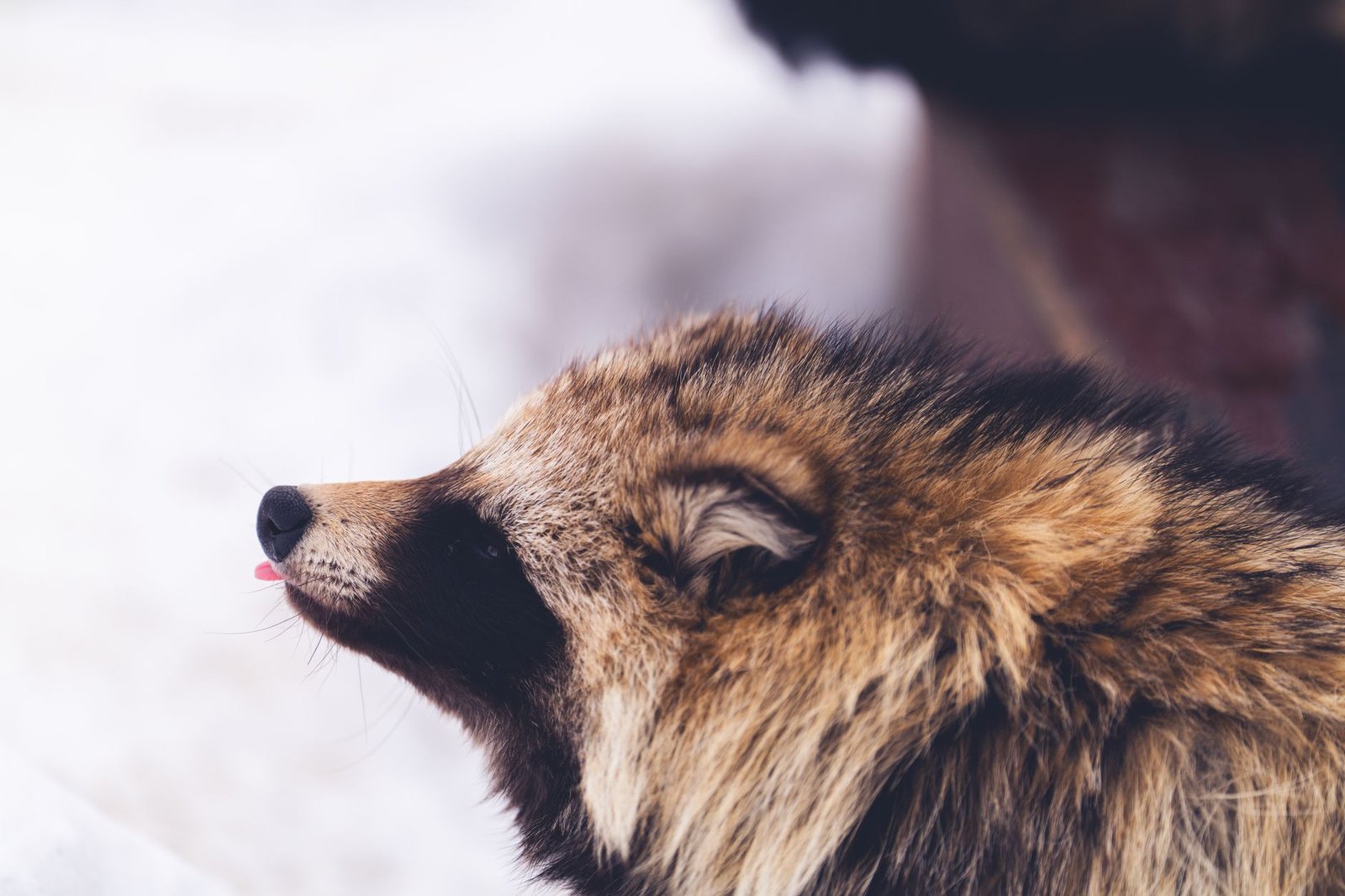
Tanuki: Japanese Raccoon Dog Facts and Folklore
The tanuki, or Japanese raccoon dog, is both a real animal and a celebrated figure in Japanese folklore, where it appears as a shape-shifting yōkai linked to mischief, illusion, prosperity, and good fortune. Tracing its roles in myth, temple lore, art, and popular culture reveals how this playful creature became one of Japan’s most enduring symbolic images.
Yuki-Onna: Japanese Snow Woman Folklore and Legend
Yuki-onna, the “snow woman” of Japanese folklore, is a yōkai whose haunting presence links winter landscapes with beauty, peril, and the mystery of death by cold. From regional oral tales to Lafcadio Hearn’s influential retellings, her enduring image reveals how Japanese tradition, literature, and modern media continue to reimagine her in strikingly different ways.
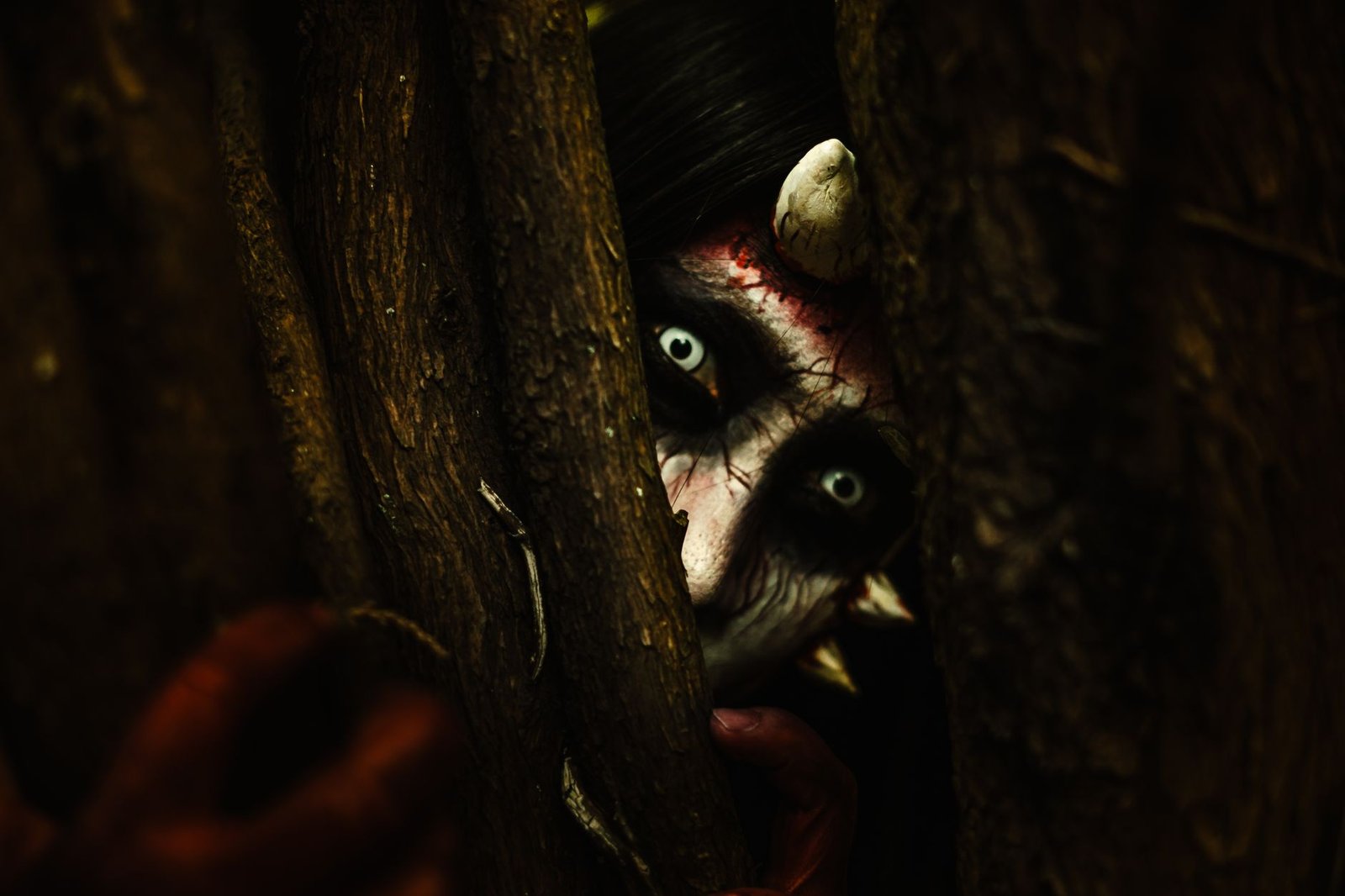
Futakuchi-Onna: Japanese Two-Mouthed Spirit Explained
Futakuchi-onna, the “two-mouthed woman” of Japanese folklore, is a striking yōkai whose hidden second mouth at the back of the head reveals itself through an insatiable appetite. Exploring her legend opens onto themes of concealment, domestic unease, and bodily transformation, while showing how ordinary behavior in folklore can conceal something deeply unsettling.
Hitotsume-Kozo: One-Eyed Yokai in Japanese Folklore
Hitotsume-kozo is a distinctive figure in Japanese folklore, a one-eyed childlike yokai often shown as a bald temple novice with a single eye in its forehead. Its image reflects the meeting of Buddhist symbolism, regional belief, and Edo-period storytelling, inviting closer study of how Japan imagined the uncanny.
Rokurokubi: Japanese Yokai Legend and Folklore Explained
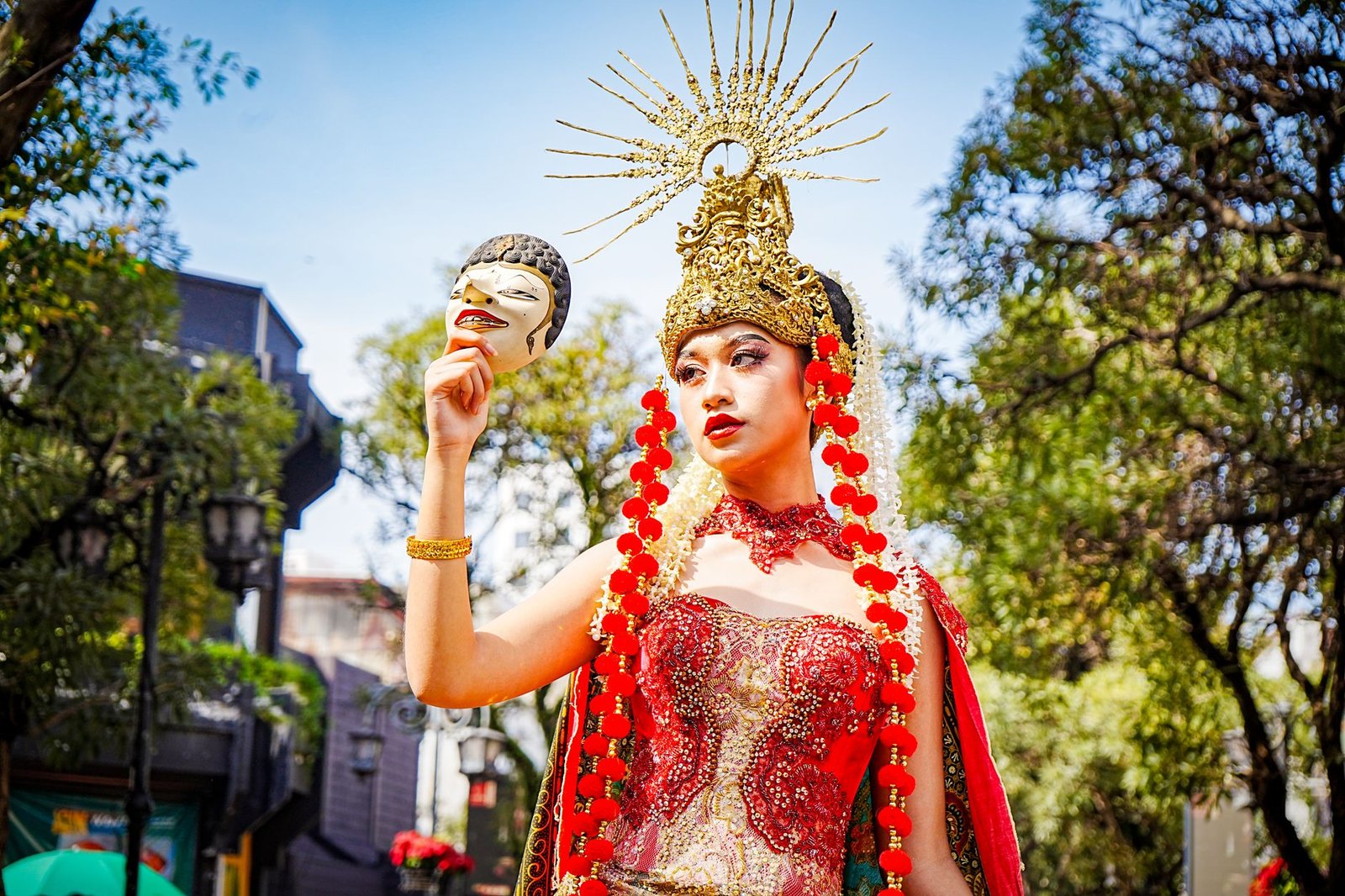
The rokurokubi is a striking figure in Japanese folklore, appearing human by day but revealing a supernatural nature at night, when its neck may stretch unnaturally or its head may detach and wander. Rooted in yōkai tradition, ghost lore, and moral tales, the rokurokubi offers a revealing glimpse into changing ideas of hidden identity, impurity, and the thin boundary between human and monstrous.
Jorogumo: Japanese Spider Demon Legend and Folklore
Jorogumo is a striking figure in Japanese folklore: a giant spider yōkai said to assume the appearance of a beautiful woman and lure the unwary. Exploring its names, regional legends, and cultural symbolism reveals how this creature embodies themes of deception, desire, and hidden danger in traditional storytelling.
Umibozu: Japanese Sea Monster Legend and Folklore
Umibozu is a Japanese sea yōkai often described as a vast, dark, monk-like figure that rises from the water and endangers ships, though its form varies widely in regional lore. Rooted in the hazards of maritime life and the imagination of coastal communities, it remains one of Japan’s most enduring sea monsters, with a rich history that invites closer study.
Kirin: Mythical Japanese Unicorn-Like Creature Overview
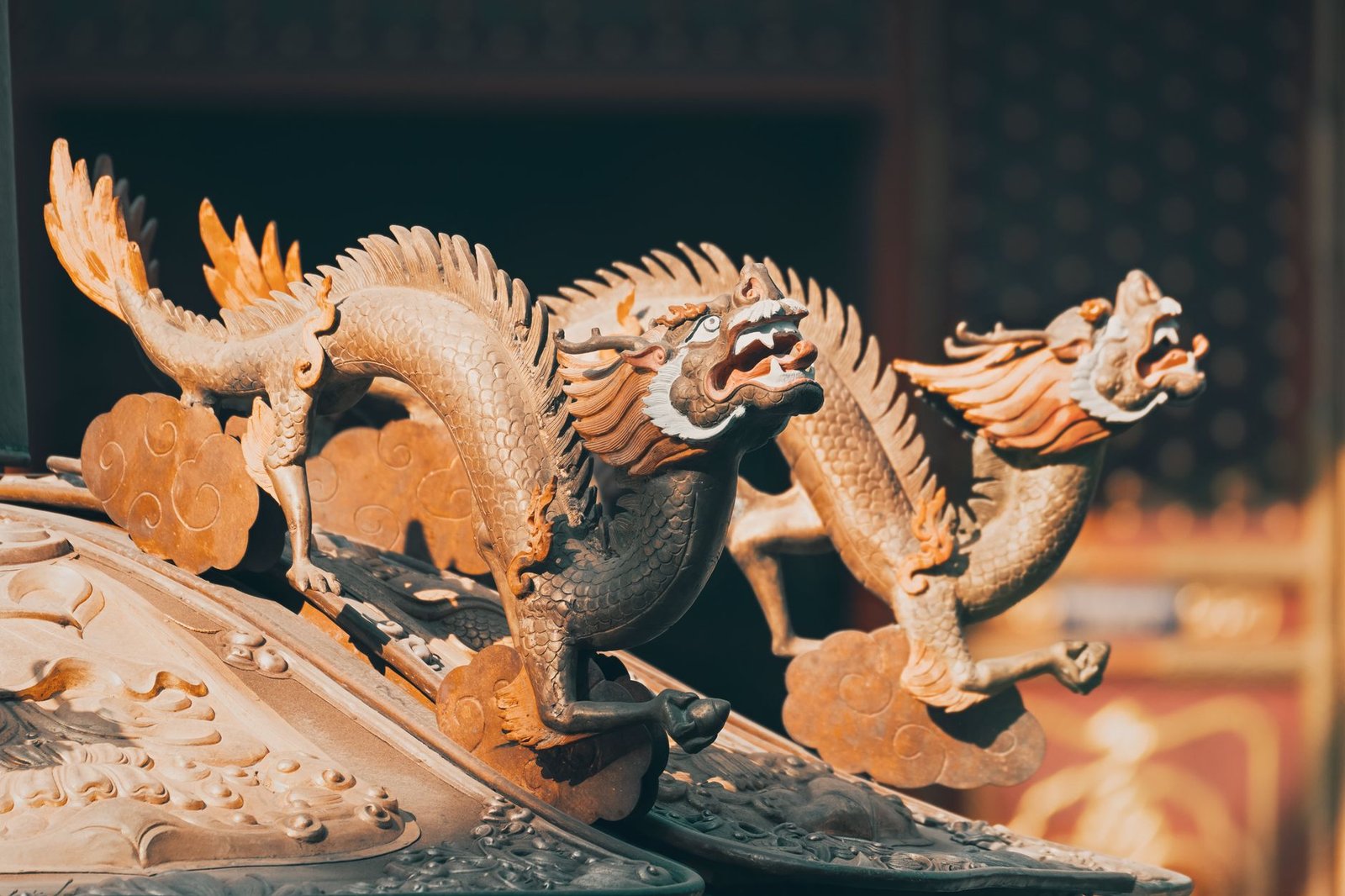
The **kirin** is a revered figure in East Asian mythology, especially in Japan, where it symbolizes peace, wisdom, and the arrival of a virtuous ruler. Tracing its origins to the Chinese qilin and later Japanese reinterpretations, this legendary creature reveals how myth, moral ideals, and cultural exchange shaped a lasting emblem of auspicious power.

Nurikabe Puzzle: Definition, Rules, and How to Solve
Nurikabe is a modern Japanese logic puzzle in which solvers divide a grid into numbered islands and a single connected wall, using only deduction to satisfy strict structural rules. Its elegant simplicity, combined with surprising logical depth and an intriguing name drawn from Japanese folklore, has made Nurikabe a lasting favorite in puzzle magazines and online communities.
Difference Between Yokai and Kami: Key Distinctions
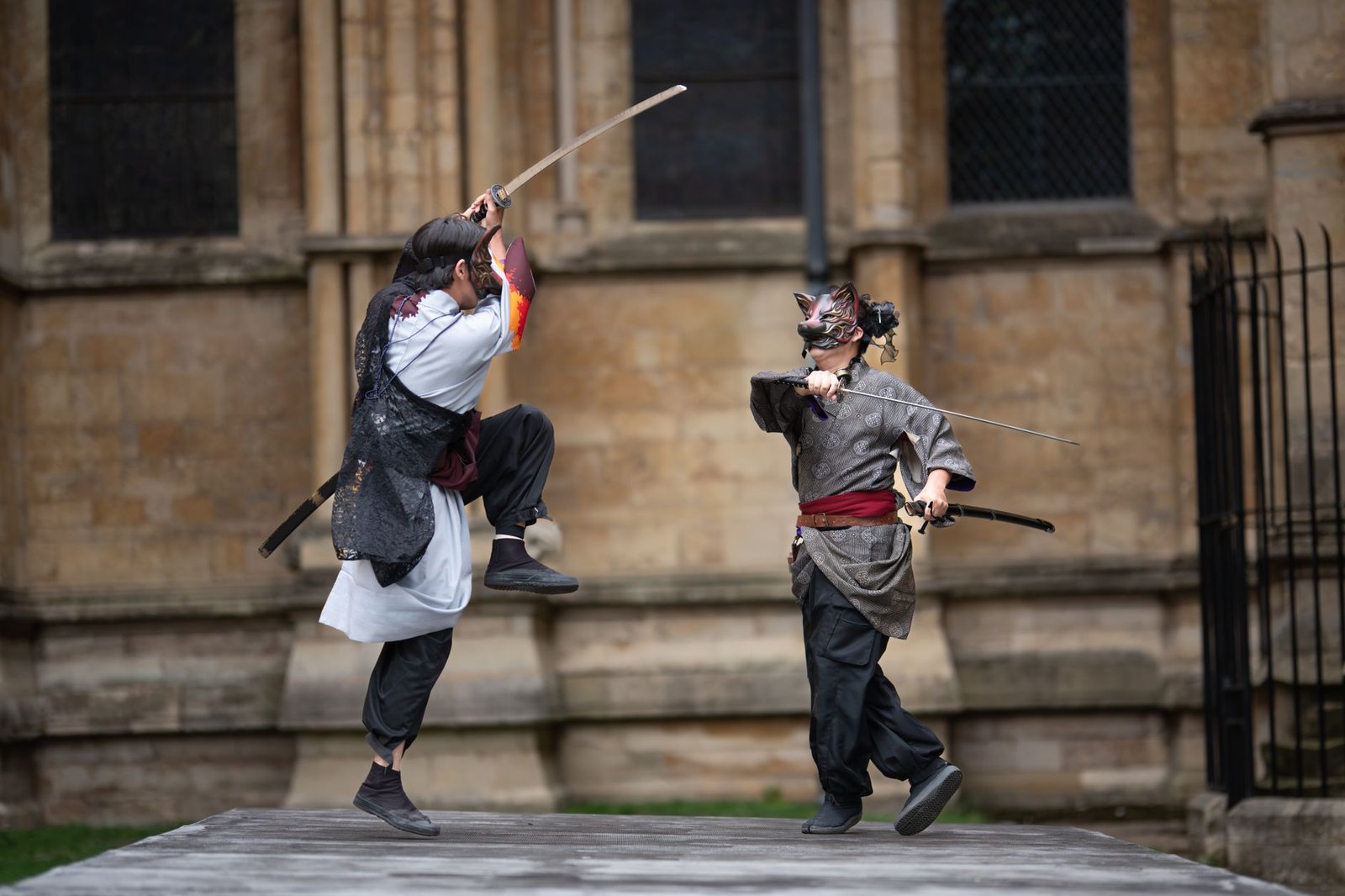
The difference between a yokai and a kami reflects two distinct ways Japanese tradition explains the supernatural: a kami is a sacred presence or deity associated with worship, while a yokai is a strange folkloric being or phenomenon. Their meanings sometimes overlap in history and local belief, making the boundary between reverence and fear more complex than it first appears.