Kojiki
Yamata no Orochi: Japanese Eight-Headed Serpent Myth
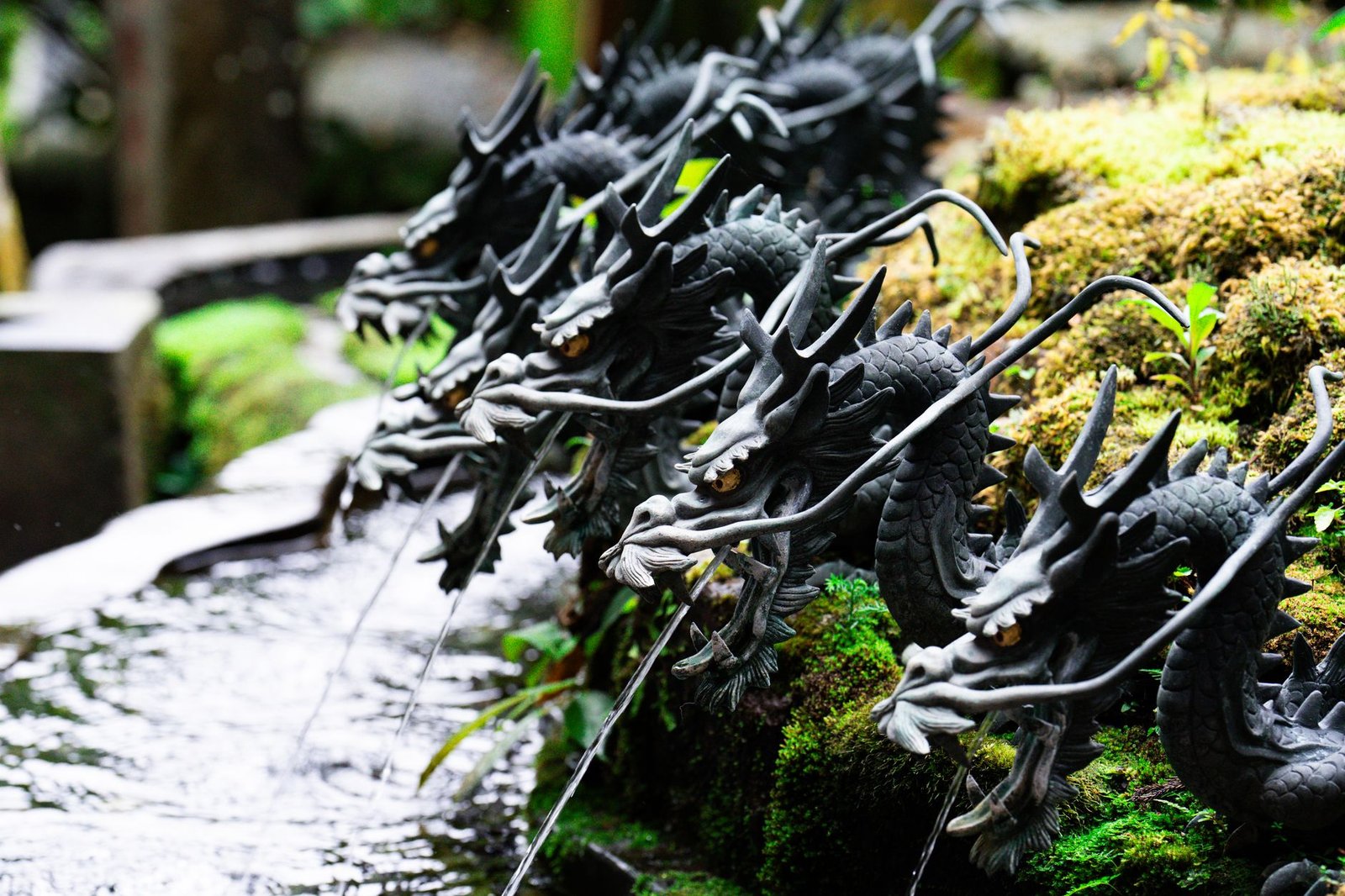
Yamata no Orochi is the legendary eight-headed serpent of Japanese mythology, best known from the *Kojiki* and *Nihon Shoki*, where the storm god Susanoo defeats it and gains the sacred sword Kusanagi-no-Tsurugi. Its myth links divine combat, ritual sacrifice, and royal legitimacy, revealing why this fearsome creature has remained central to Japanese religious tradition and cultural imagination.
Yata No Kagami: The Sacred Mirror of Japanese Mythology
Yata no Kagami, the Sacred Mirror of Japanese mythology, is one of Japan’s three Imperial Regalia and a central symbol in the story of Amaterasu, the sun goddess and divine ancestor of the imperial line. Revered as an emblem of truth, wisdom, and legitimacy, it remains shrouded in secrecy, inviting closer study of its mythic origins, ritual role, and enduring political significance.

Yasakani No Magatama: Sacred Jewel of Japan
Yasakani no Magatama is a central object in Japanese mythology and imperial tradition, revered as one of the Three Imperial Regalia alongside the sword and mirror. This article traces its ancient origins, symbolic role in legitimizing imperial authority, and the mystery surrounding a sacred jewel that remains hidden from public view.
Izanagi: Japanese Creation God in Shinto Mythology
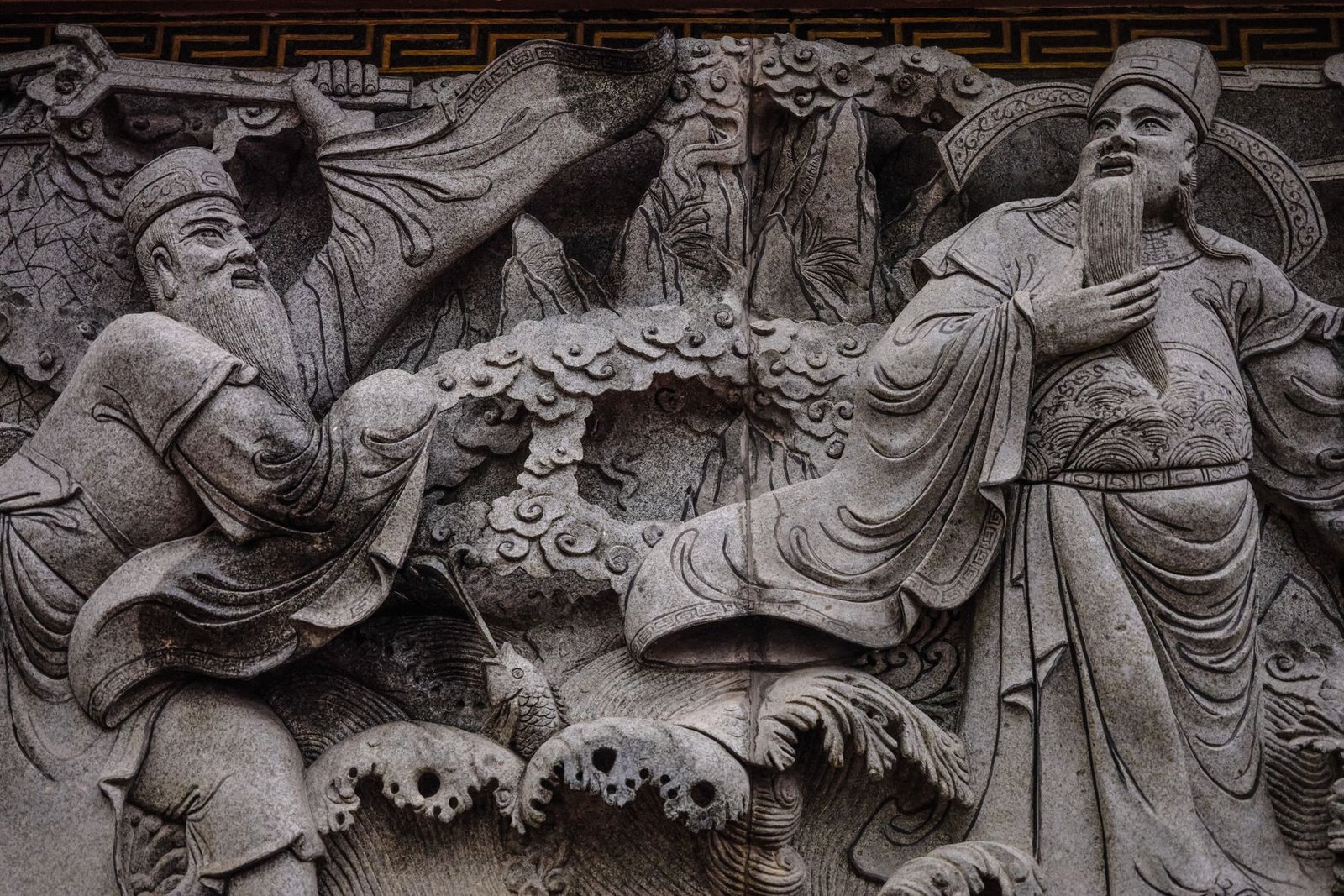
Izanagi is a central deity in Japanese mythology, remembered with Izanami as a primeval couple whose actions helped shape the islands, the kami, and the ritual ideas at the heart of Shinto. His stories, preserved in the *Kojiki* and *Nihon Shoki*, also reveal how creation, purification, and the boundary between life and death are understood in early Japanese tradition.
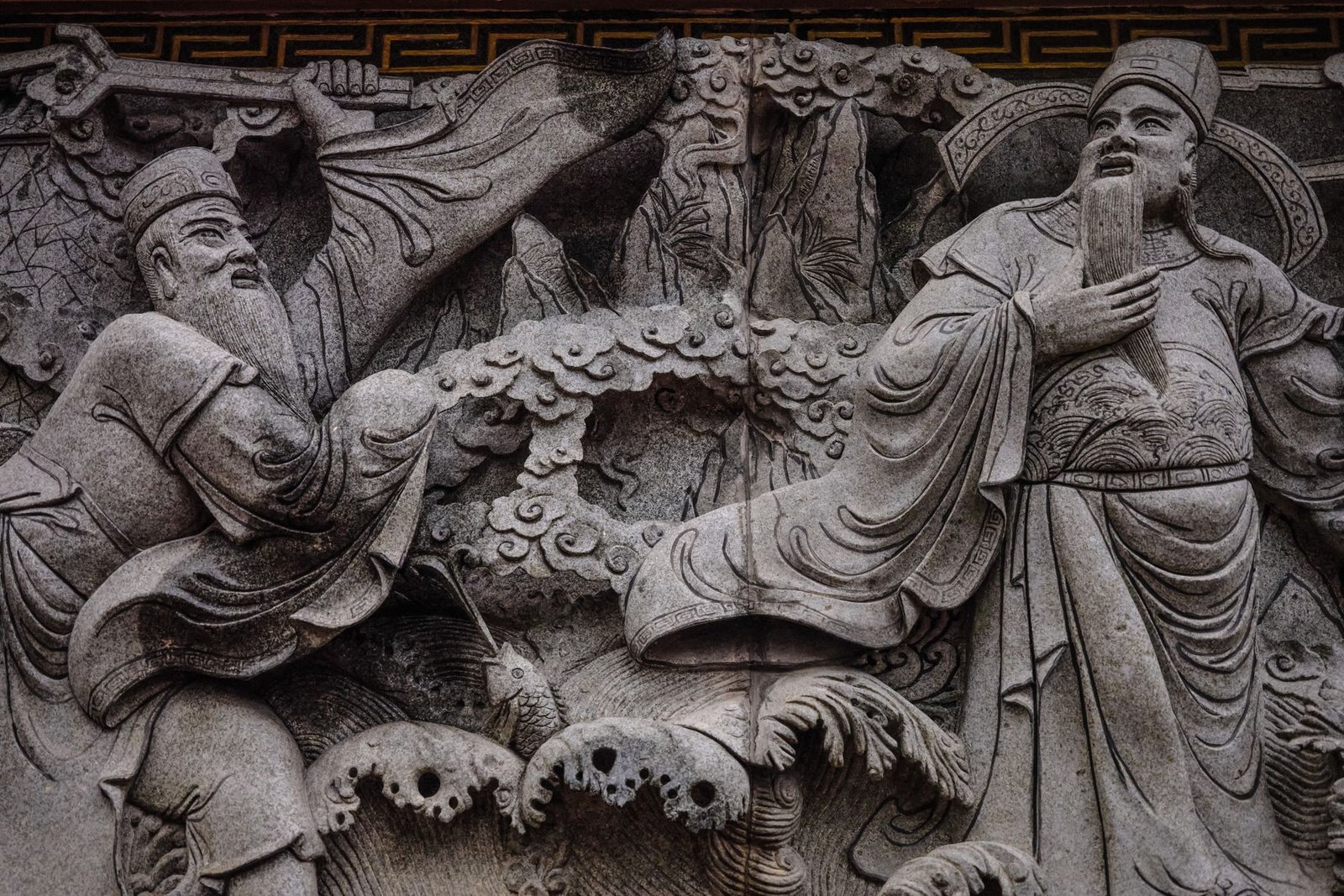
Susanoo: Japanese God of Storms and Sea
Susanoo is a central deity in Japanese mythology, remembered as a storm god, sea deity, and disruptive force whose myths appear in the Kojiki and Nihon Shoki. His conflict with Amaterasu and defeat of Yamata no Orochi reveal a figure who can bring both calamity and renewal, leaving a legacy that still shapes religion, literature, art, and popular culture.
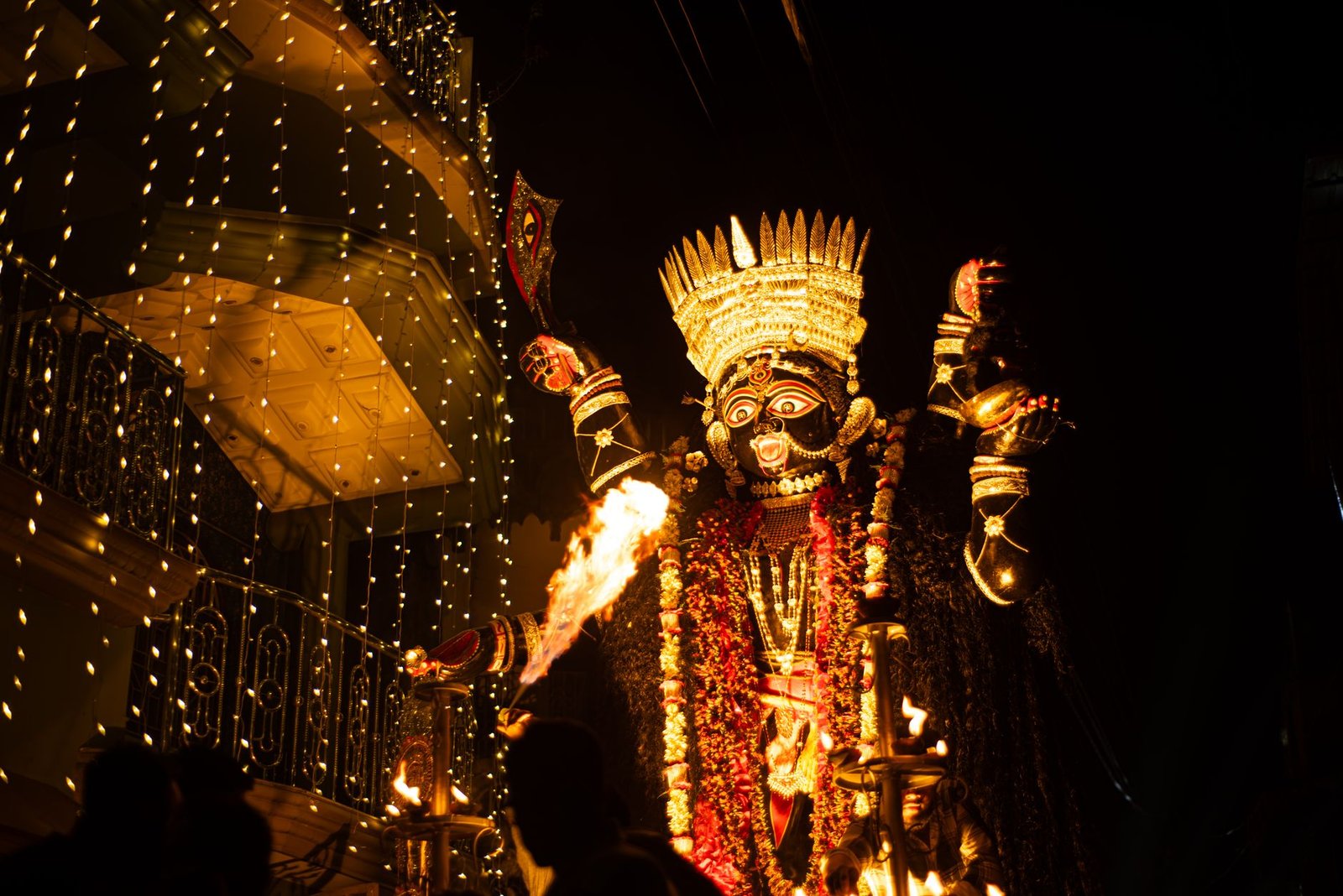
Kagutsuchi: Japanese Fire God in Mythology
Kagutsuchi is the fire deity of Japanese mythology, whose dramatic birth in the *Kojiki* and *Nihon Shoki* brings both creation and catastrophe, including the death of Izanami. Revered as a kami of fire and known also as Homusubi, Kagutsuchi embodies fire’s life-giving warmth and destructive power, inviting closer study of his role in Shinto tradition and mythic history.
Konohanasakuya-Hime: Japanese Goddess of Mount Fuji
Konohanasakuya-hime is a major goddess in Japanese mythology and Shinto, associated with Mount Fuji, volcanoes, cherry blossoms, fertility, and the fragile beauty of life. Mentioned in the *Kojiki* and *Nihon Shoki*, she also links divine ancestry to Japan’s imperial line, inviting a closer look at her enduring role in ritual and legend.
Ninigi: Japanese Mythology Deity and Imperial Ancestor
Ninigi is a central figure in Japanese mythology, remembered as the grandson of Amaterasu and the heavenly envoy whose descent to earth links the gods with Japan’s imperial line. His story, preserved in the Kojiki and Nihon Shoki, reveals how sacred authority, the Three Sacred Treasures, and the origin of the ruling house became joined in a lasting mythic tradition.
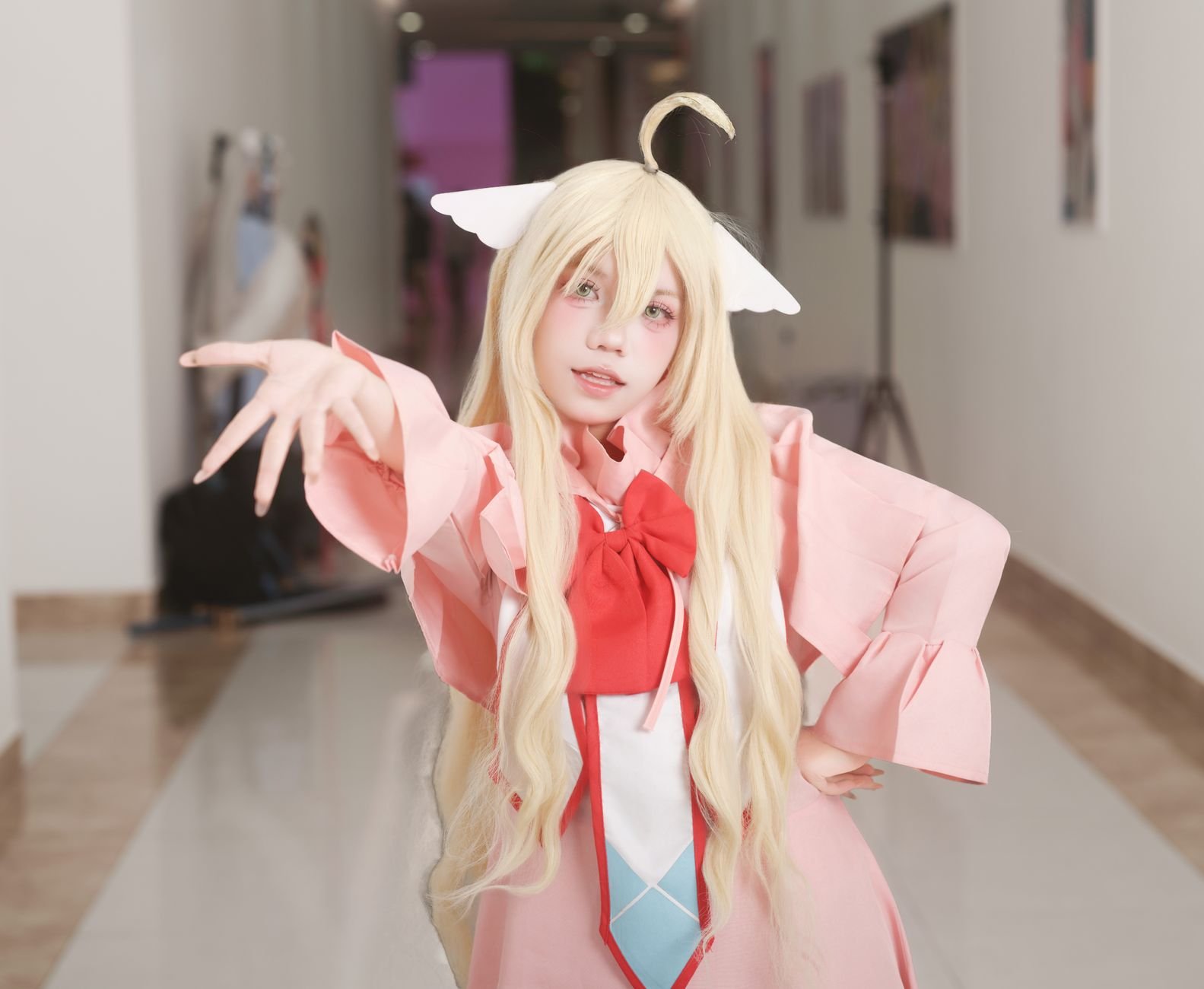
Toyotama-Hime: Japanese Mythology Sea Princess
Toyotama-hime, a pivotal figure in Japanese mythology, is remembered as the sea deity’s daughter and the wife of Hoori, ancestor of the imperial line. Her story in the Kojiki and Nihon Shoki reveals how oceanic divinity, sacred taboos, and mythic lineage shaped early ideas of Japan’s rulership and spiritual origins.
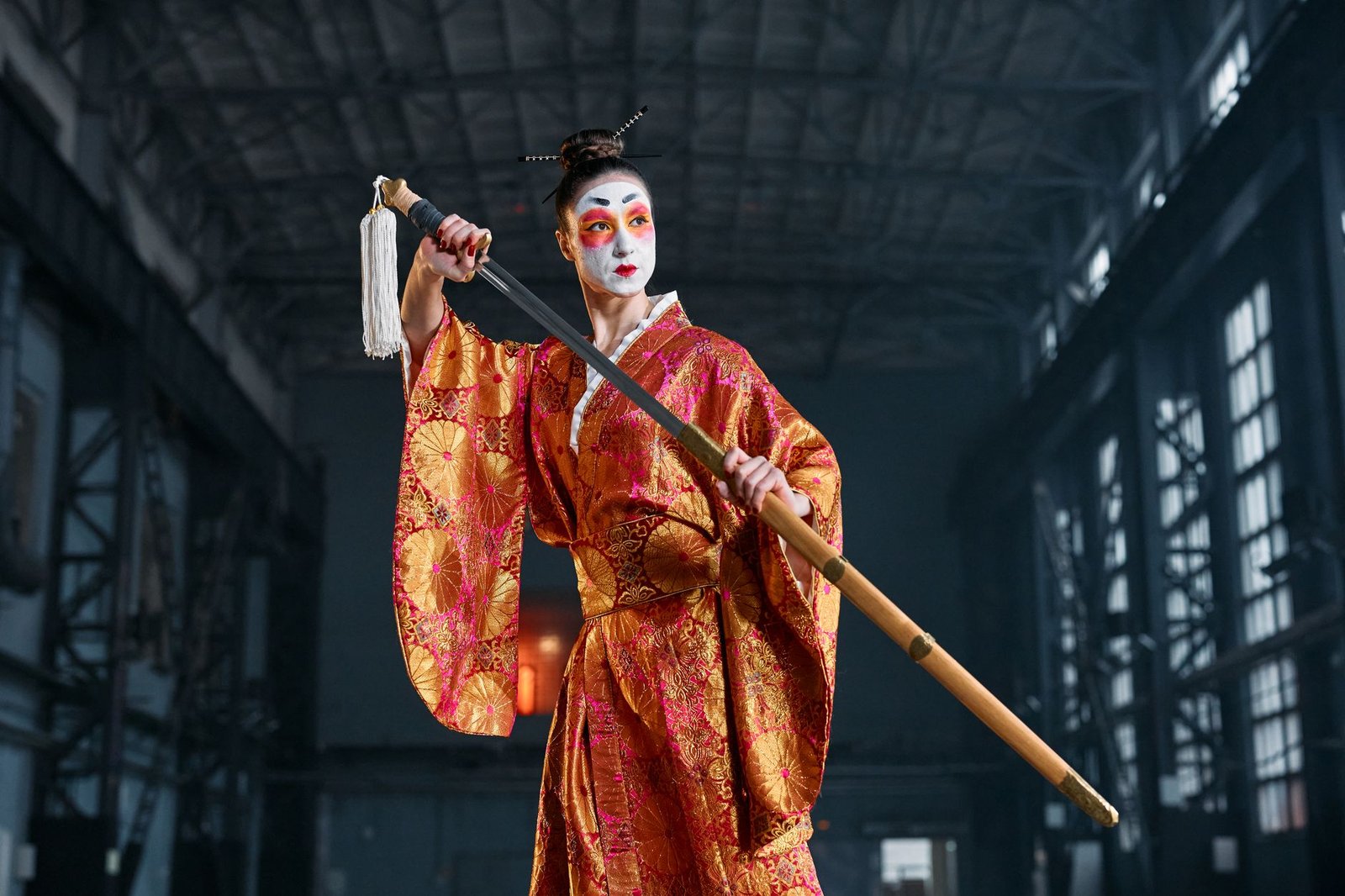
Izanami: Japanese Goddess of Creation and Death
Izanami is a central figure in Japanese mythology, known as the goddess who helped create the islands of Japan and gave birth to many kami alongside her partner, Izanagi. Her story then turns toward death and the underworld, where her transformation into a powerful Yomi deity reveals the deep symbolic links between creation, fertility, and loss.