myths and legends

Birth of Zeus in the Cretan Cave: Greek Mythology
The birth of Zeus in the Cretan cave is a foundational Greek myth that explains how the future king of the gods was hidden on Crete to escape Cronus and grow in secret. Exploring its Cretan settings, ancient sources, and religious meanings reveals why this story remained central to ideas of divine power, succession, and sacred landscape.
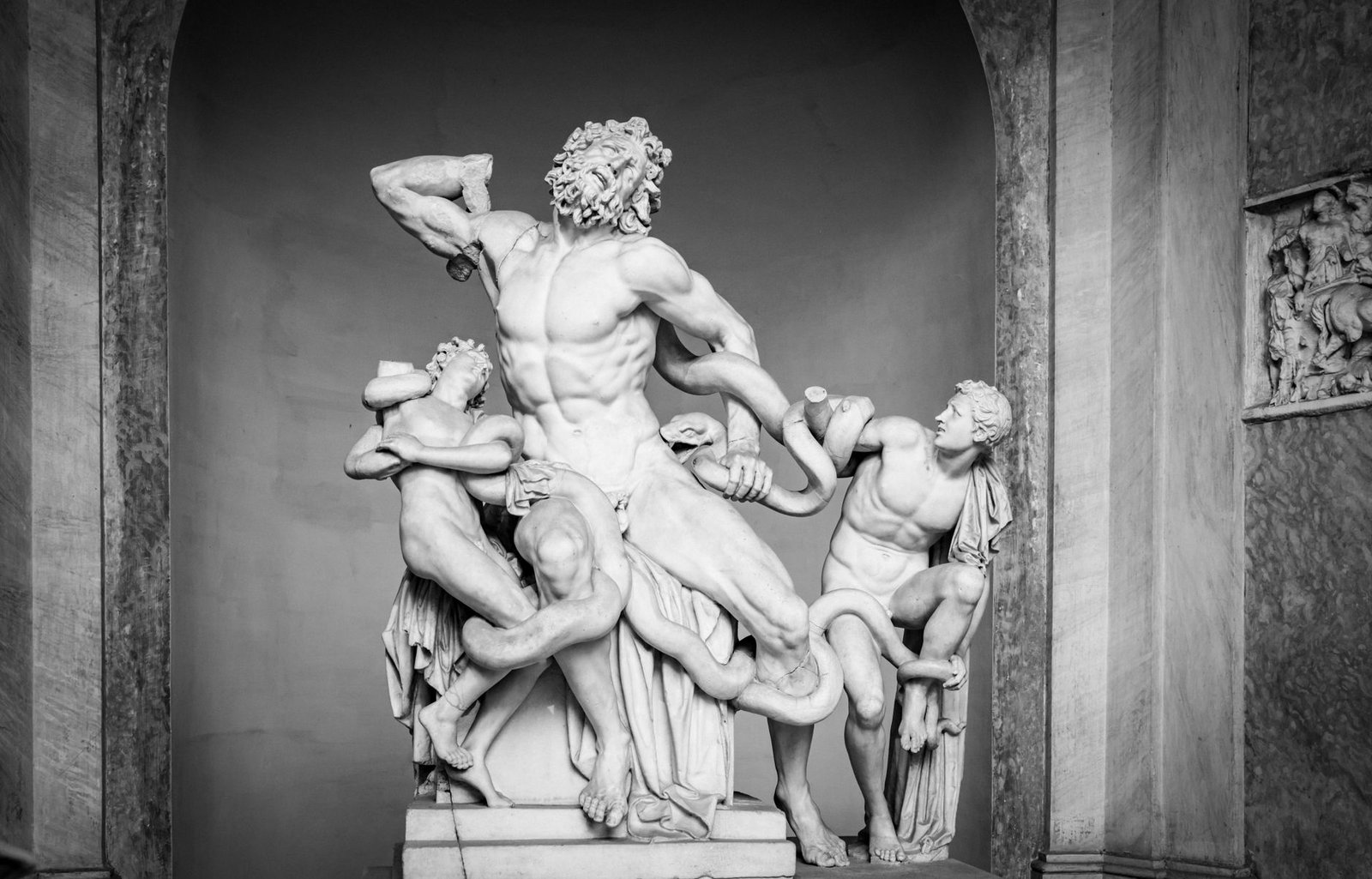
Titanomachy: Greek Mythology’s War of the Titans
Titanomachy is the legendary Greek mythic war in which Zeus and the younger Olympian gods overthrew the Titans, ending an older divine order and establishing cosmic rule. This article explores its origins, meaning, and cultural legacy, showing how the conflict became a foundational story of succession, sovereignty, and the shaping of the Greek universe.
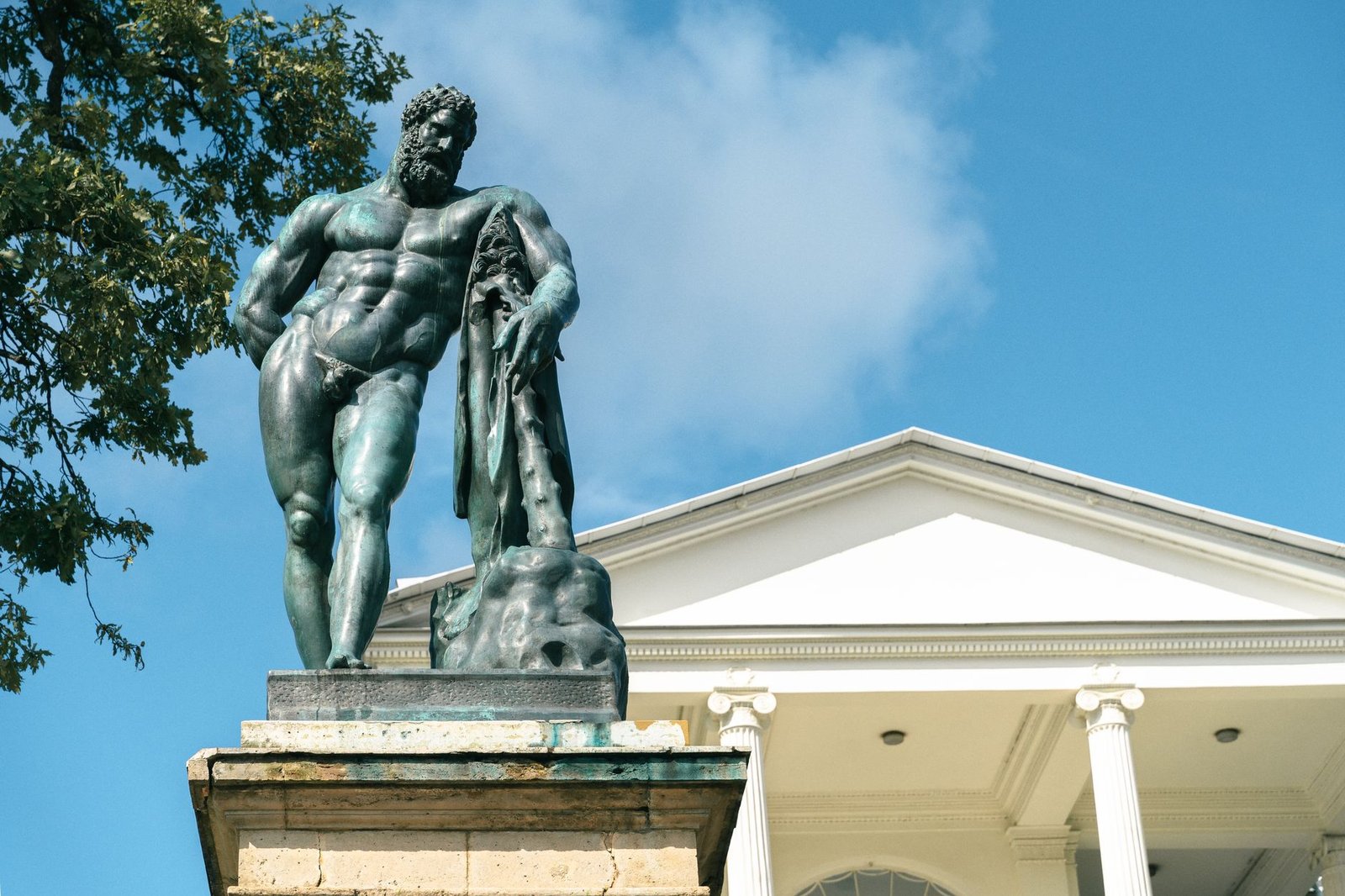
Typhon’s Rebellion Against Zeus in Greek Mythology
Typhons rebellion against Zeus stands among the great conflicts of Greek mythology, pitting the king of the gods against a monstrous challenger who threatened the order of the cosmos. Rooted in ancient traditions and retold by later writers, the myth explores divine kingship, chaotic force, and the struggle that secured Zeus’ supremacy.

The Myth of Pandora: Origins, Story, and Meaning
The myth of Pandora explains how suffering entered human life, yet it also leaves room for hope, making it one of the most enduring stories in Greek mythology. Its shifting ancient versions, from divine punishment to symbols of fertility and curiosity, reveal a figure far more complex than the familiar tale of the opened jar suggests.

Deucalion’s Flood: Greek Myth of the Great Flood
Deucalions flood is the Greek myth of a cataclysmic deluge sent by Zeus to destroy a corrupt human race, sparing only Deucalion and Pyrrha to preserve life. This enduring story, echoed in other ancient flood traditions, reveals how Greek myth linked divine judgment, human survival, and the possibility of renewal.
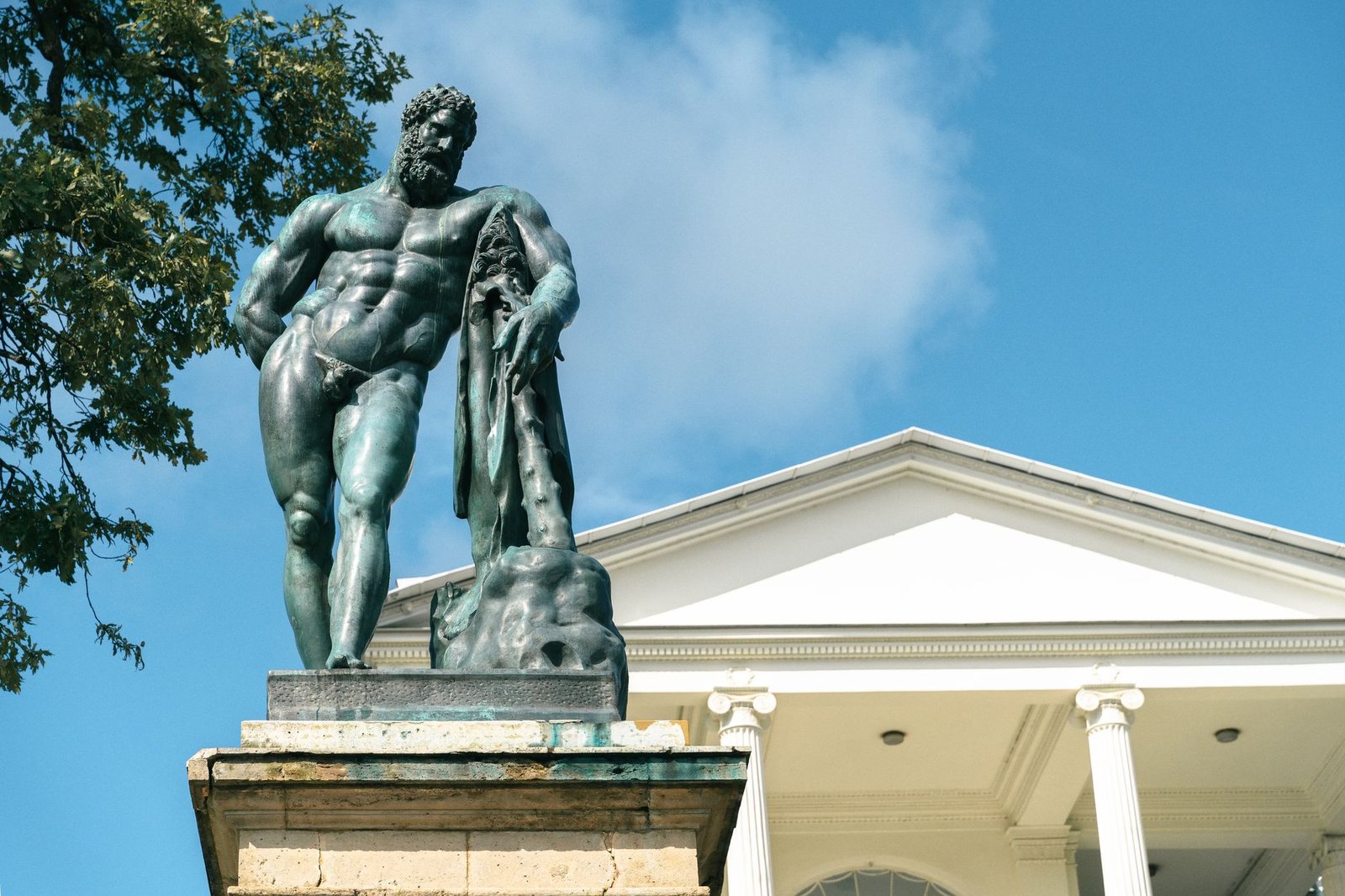
Zeus and Europa: Greek Mythology and the Legend
Zeus and Europa is a central myth of Greek tradition, recounting how Zeus, in the form of a bull, carried the Phoenician princess to Crete and fathered a lineage that shaped later legend. Rooted in ancient cultural exchange between Greece and the eastern Mediterranean, the story reveals enduring themes of transformation, power, and identity that continue to invite closer reading.
Zeus and Danae: Greek Myth and Perseus’ Birth
Zeus and Danae is a classic Greek myth about prophecy, imprisonment, and divine intervention: Acrisius, fearing an oracle, confines his daughter Danae, only for Zeus to reach her as a shower of gold. Their union leads to the birth of Perseus, a hero whose story reveals how fate, power, and divine will shape ancient myth.
Zeus and Ganymede: Greek Mythology Story and Meaning
Zeus and Ganymede is one of Greek mythology’s most enduring stories, centered on the abduction of a beautiful Trojan youth by Zeus, who brings him to Olympus as cupbearer to the gods. Beyond its dramatic narrative, the myth reveals ancient ideas about divine favor, immortality, royal compensation, and the cultural meaning of beauty—details that make its many versions especially intriguing.
Actaeon and Artemis: Greek Myth and Story
Actaeon and Artemis is a classic Greek myth about a hunter who intrudes on the goddess’s private bathing and is transformed into a stag, only to be killed by his own dogs. This brief but enduring story reveals ancient ideas about sacred boundaries, divine retribution, and the peril of seeing what should remain hidden, while inviting comparison with its many literary and artistic retellings.

Arachne and Athena: Greek Mythology Story and Meaning
Arachne and Athena is a foundational Greek myth about a mortal weaver whose unmatched skill and pride provoke a contest with the goddess of wisdom and craft. Retold most famously by Ovid, the story explores artistic excellence, divine authority, and the perilous line between achievement and hubris, inviting deeper reflection on creativity and punishment.