myths and legends
The Seven Against Thebes: Summary and Mythology
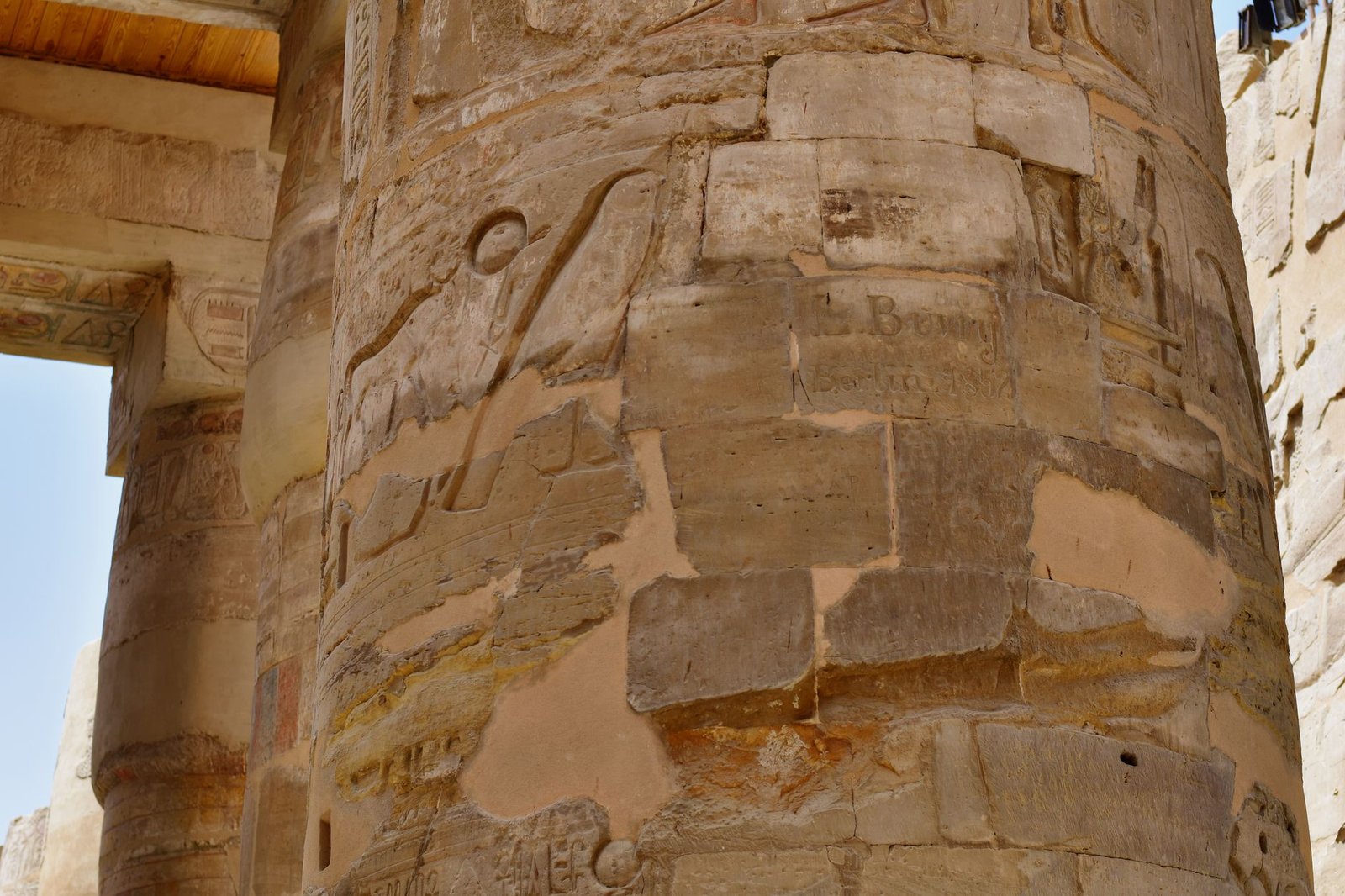
The Seven Against Thebes is a foundational myth of Greek literature, telling how Polynices assembled six champions to reclaim Thebes from his brother Eteocles amid a destructive family curse. Best known through Aeschylus’ tragedy, the story blends political rivalry, divine omens, and civic duty, offering a tense prelude to one of mythology’s most famous battles.
Odysseus and the Cyclops: Summary and Analysis
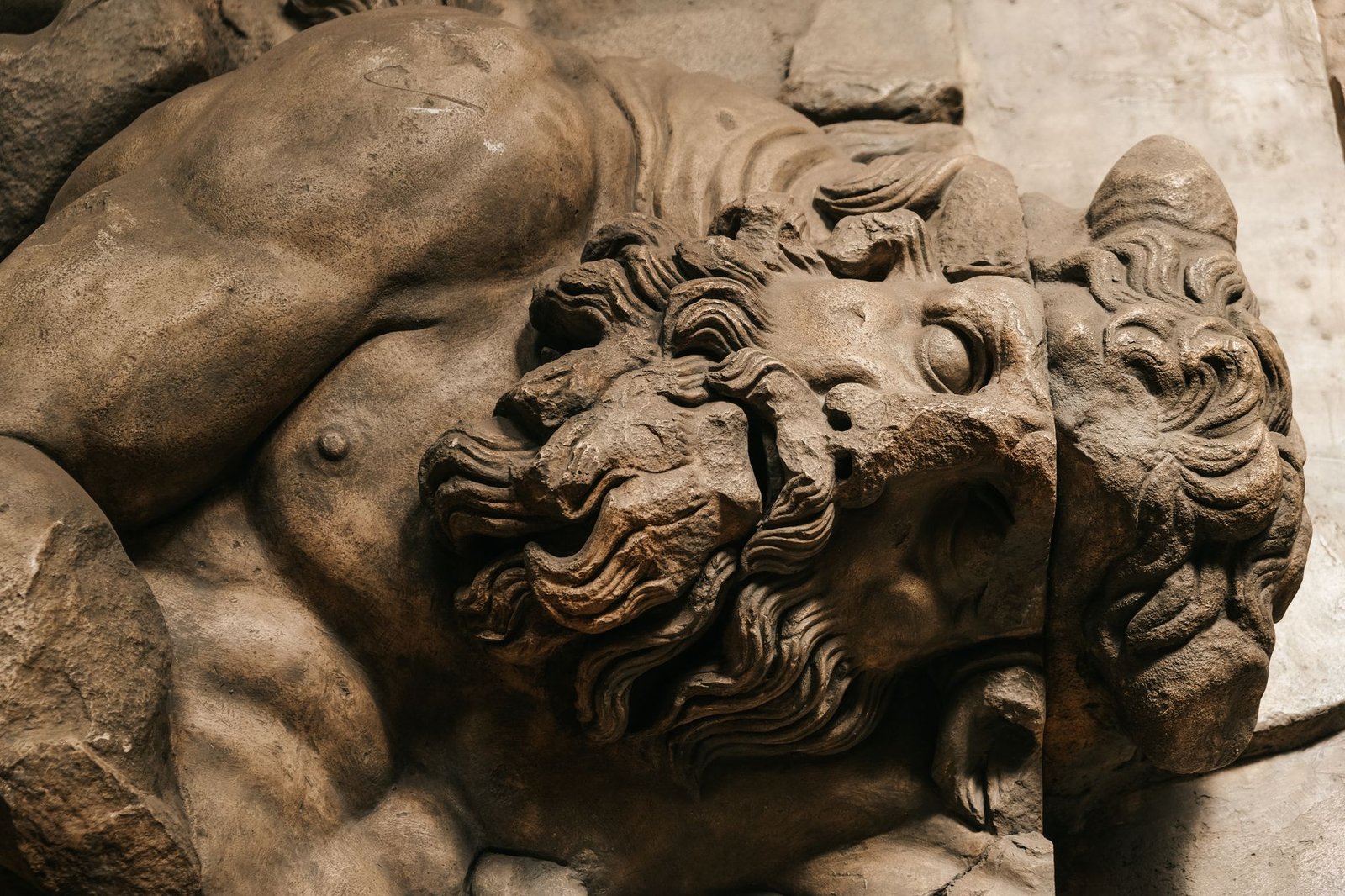
Odysseus and the Cyclops is a defining episode in Homer’s *Odyssey*, where the king of Ithaca confronts the one-eyed giant Polyphemus after being trapped in his cave. Blending suspense, cleverness, and the Greek code of *xenia*, the story reveals why Odysseus survives by wit—and why Poseidon later becomes his enemy.
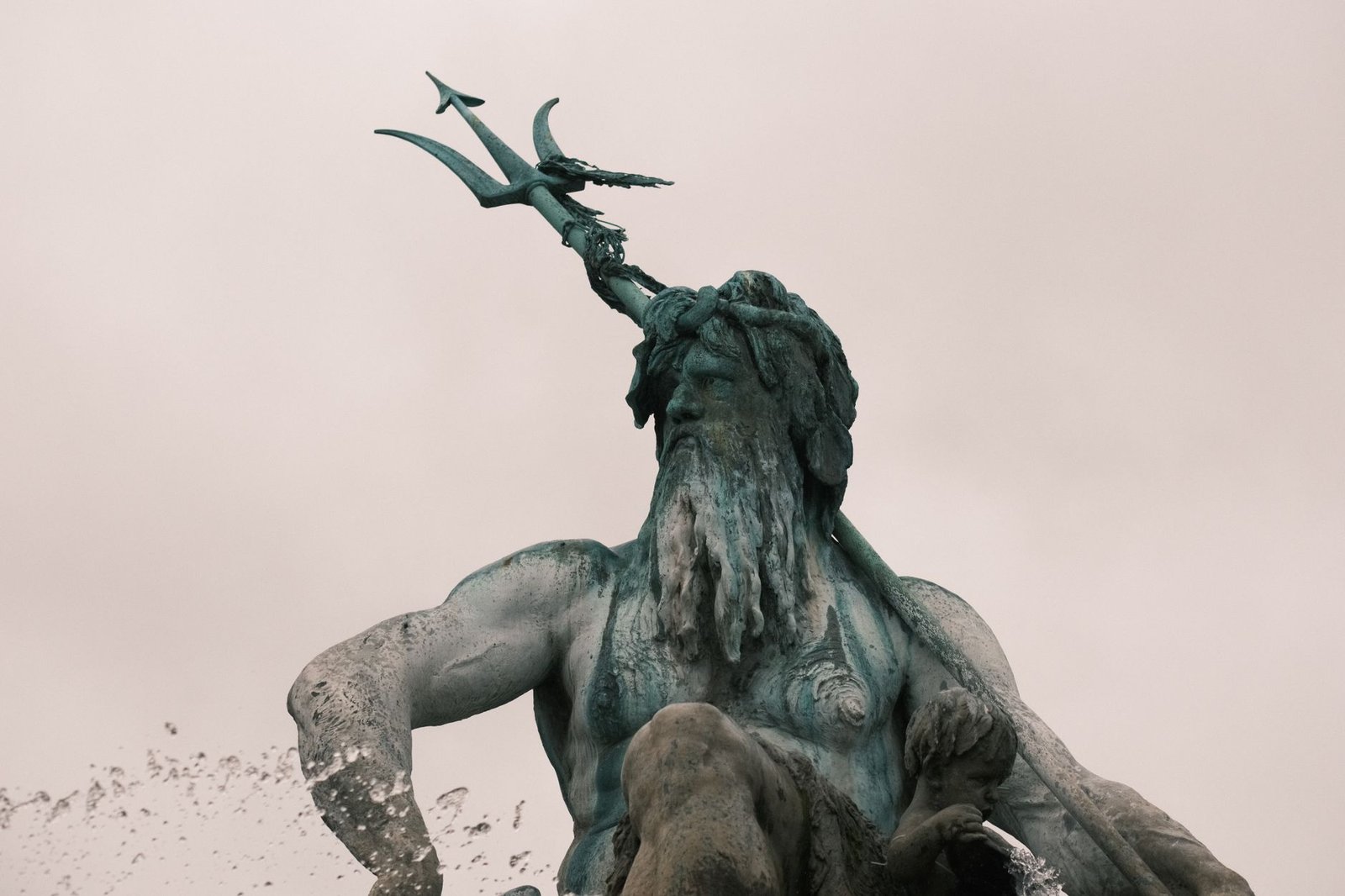
Athena and Poseidon Contest for Athens Mythology Explained
The contest between Athena and Poseidon for Athens is a foundational Greek myth in which two Olympian gods vie to become the city’s patron by offering rival gifts. Its story of Athena’s olive tree, civic identity, and divine rivalry reveals how Athenians explained their name, values, and relationship to both land and sea.
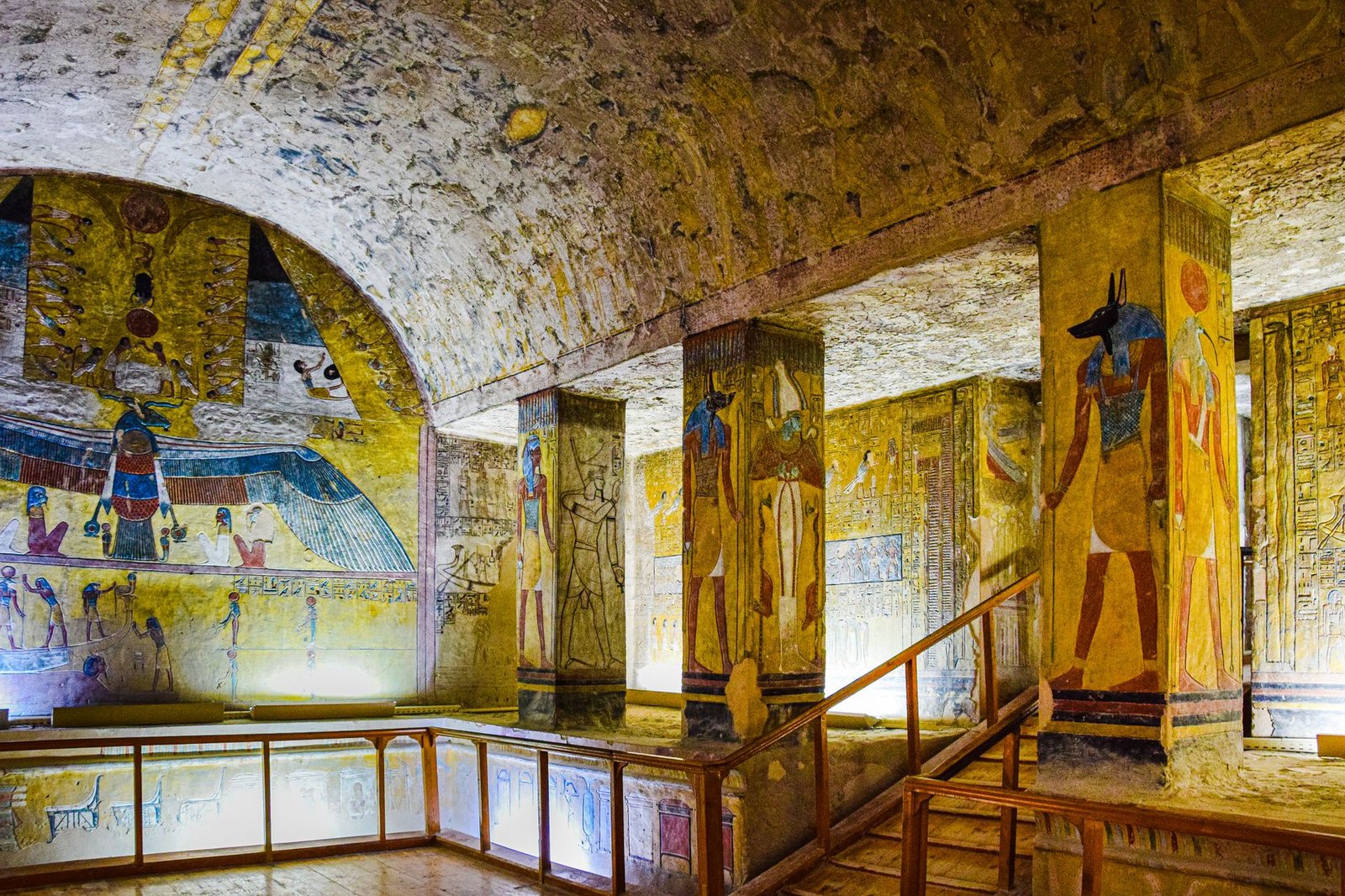
Eye of Horus in Egyptian Mythology: Meaning and Origins
The Eye of Horus in Egyptian mythology is a powerful symbol of healing, protection, royal authority, and restored wholeness, rooted in the story of Horus’s injured eye and its divine repair. Its long history in amulets, funerary art, and temple imagery reveals how a single emblem came to embody both personal wellbeing and cosmic order.
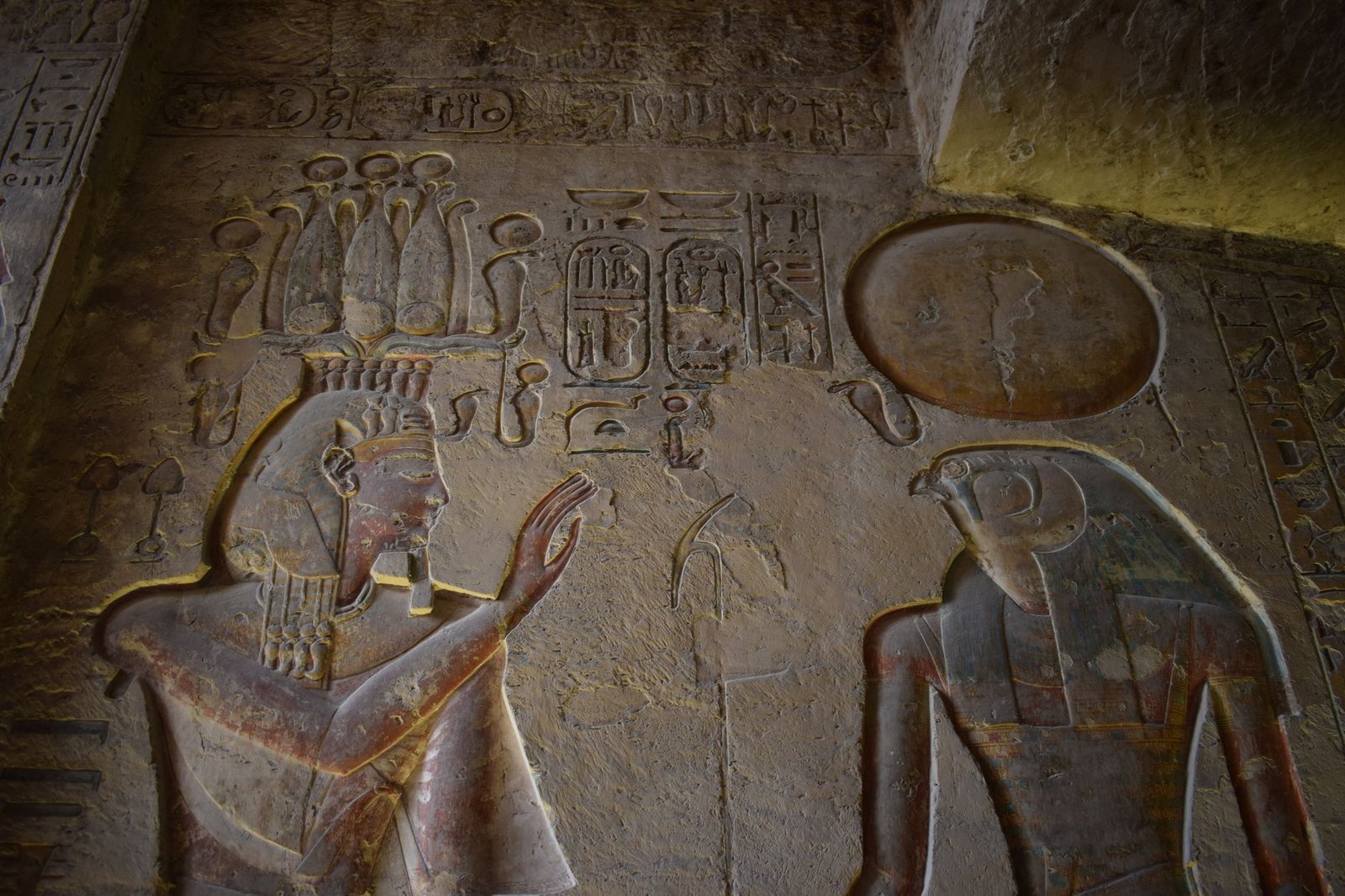
What Is the Uraeus in Egyptian Mythology?
The uraeus in Egyptian mythology is the rearing cobra emblem associated with divine authority, royal protection, and the power to repel enemies, most often linked to the goddess Wadjet and the pharaoh’s crown. Its long history in art and ritual reveals how one small image came to express legitimacy, sacred power, and the close bond between rulers and the gods.
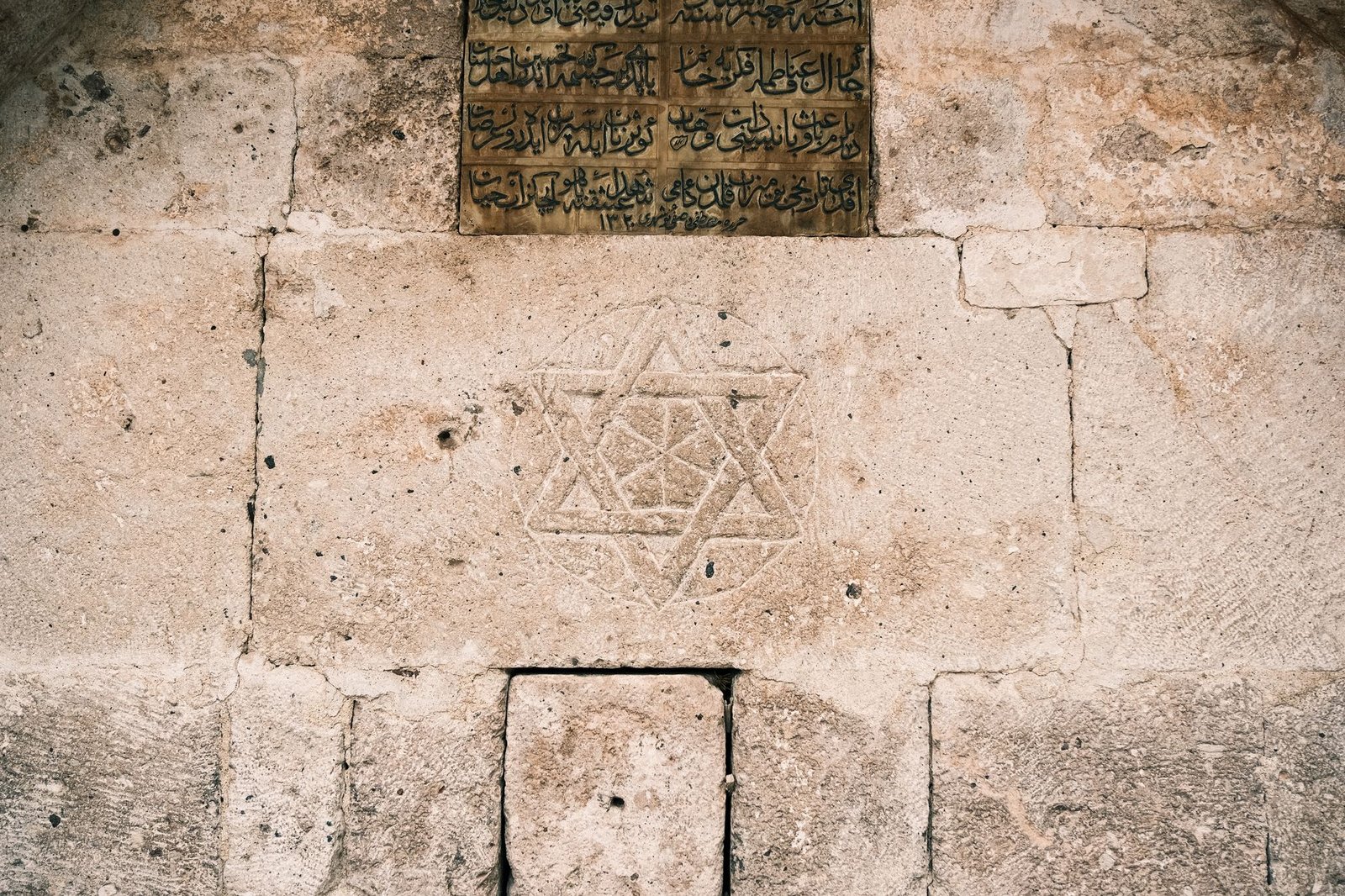
Sema-Tawy Symbol in Egyptian Mythology: Meaning and History
The sema-tawy symbol in Egyptian mythology represents the sacred union of Upper and Lower Egypt, expressing the pharaoh’s role in preserving order, legitimacy, and balance. This article examines its meaning, visual form, and royal context, showing how a seemingly simple motif reveals the political and religious logic of ancient Egypt.
What Does the Sedge Plant Symbolize in Egyptian Mythology?
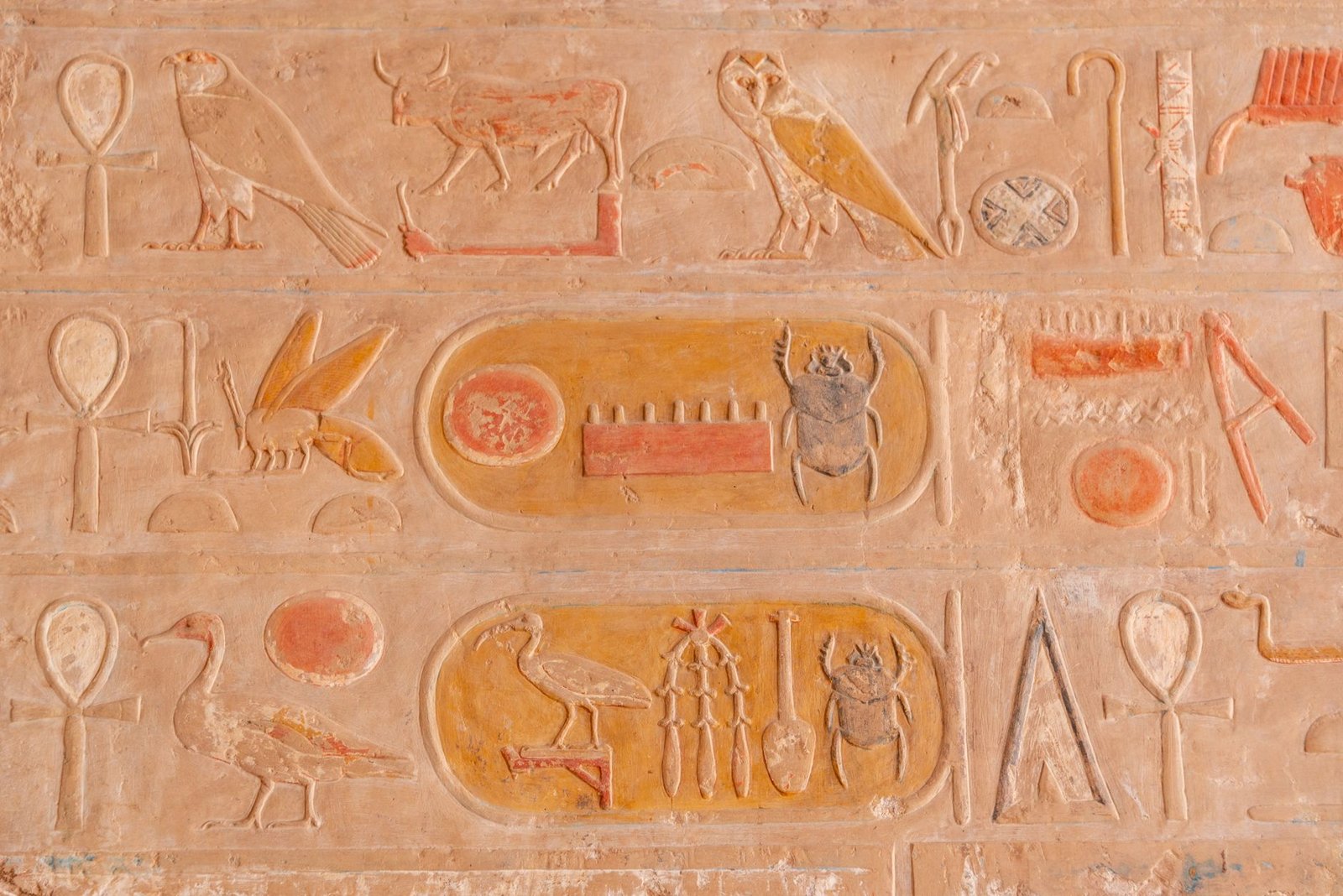
In Egyptian mythology, the sedge plant symbolizes Upper Egypt, kingship, and the king’s rightful authority, appearing most famously beside the bee in the emblem of unified rule. This article explores how such a simple plant became a powerful sign of political legitimacy, order, and the sacred geography of ancient Egypt.

Winged Sun Disk in Egyptian Mythology: Meaning and Symbolism
The winged sun disk is a major symbol in Egyptian mythology, combining the solar disk, outspread wings, and often protective serpents to express divine power, kingship, and cosmic order. Closely associated with Horus and Ra, it appears across temples, monuments, and sacred objects, revealing how one image could carry layered religious meaning.
What Is the Sistrum in Egyptian Mythology?
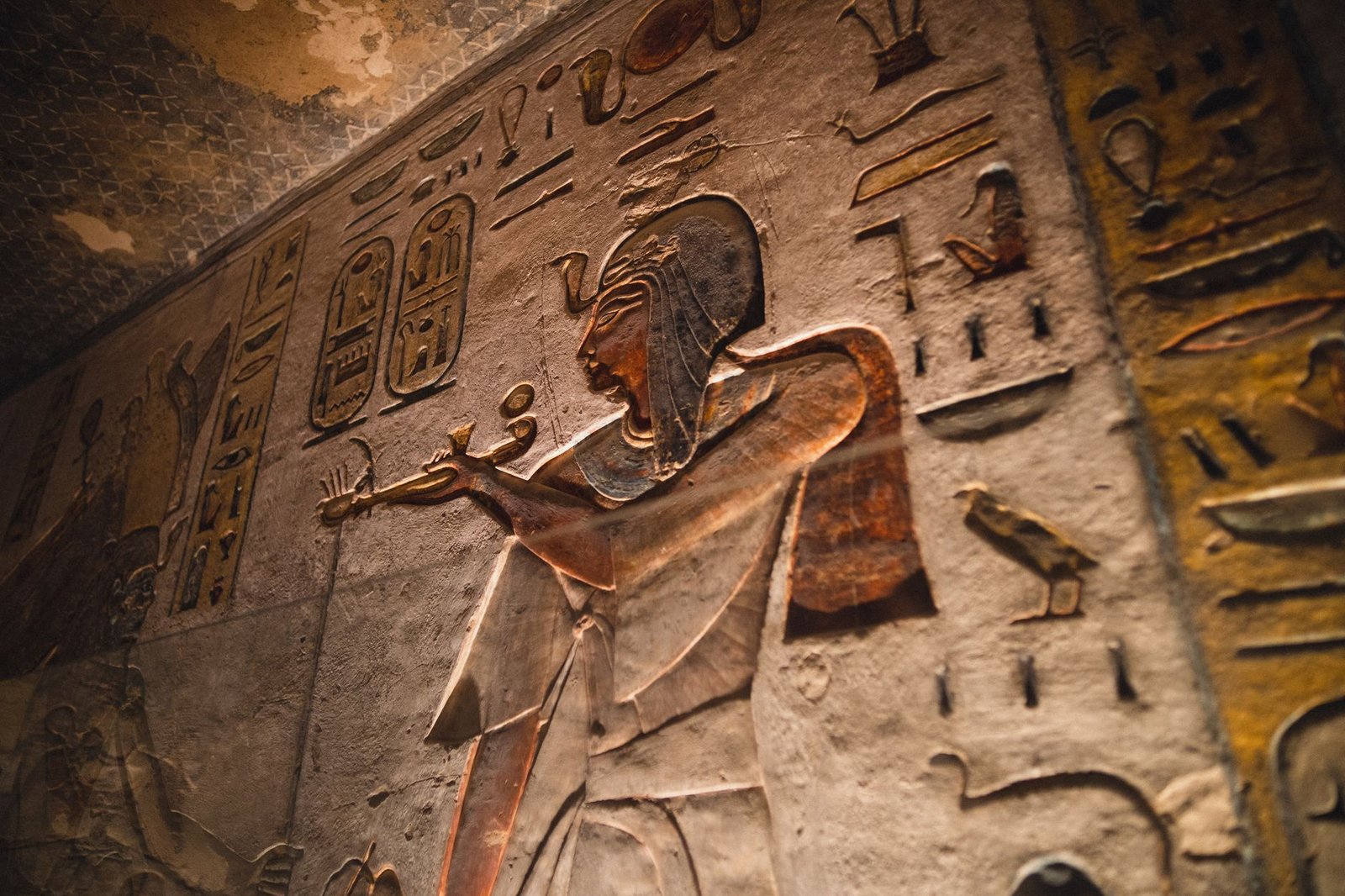
The sistrum in Egyptian mythology was a sacred rattle used in temple rituals, processions, and ceremonies, especially in honor of Hathor and later Isis. More than a musical instrument, it symbolized the power of sound to delight deities, protect against harmful forces, and sustain sacred order, revealing why it appears so often in Egyptian art and ritual scenes.
Who Is Ra in Egyptian Mythology? Sun God Explained
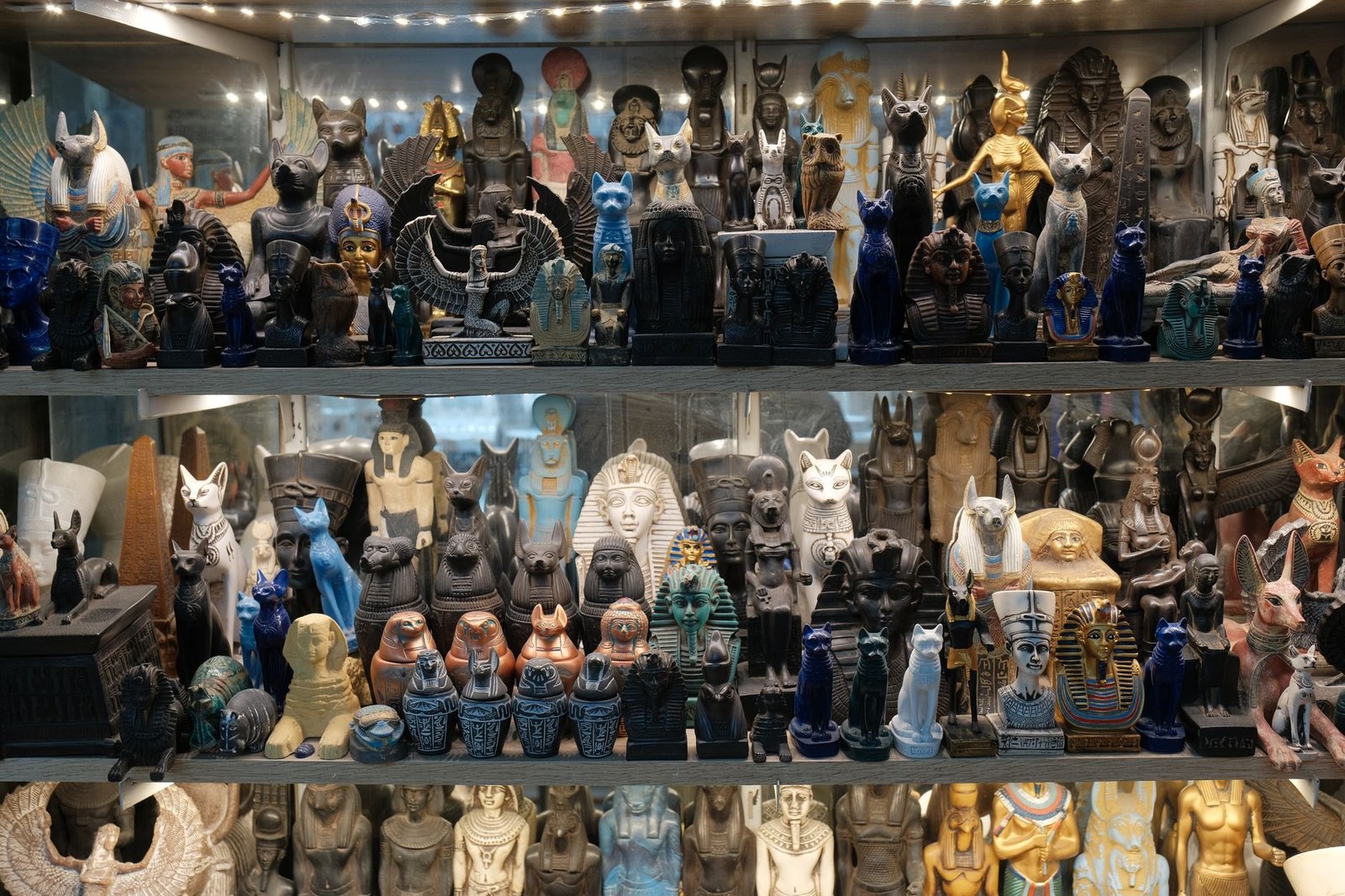
Ra is one of the central gods of ancient Egyptian mythology, revered as the sun deity, creator, and guardian of cosmic order. This article explores how who is ra in egyptian mythology became a question tied to kingship, daily renewal, and shifting religious traditions that shaped Egypt for thousands of years.