religion and belief systems
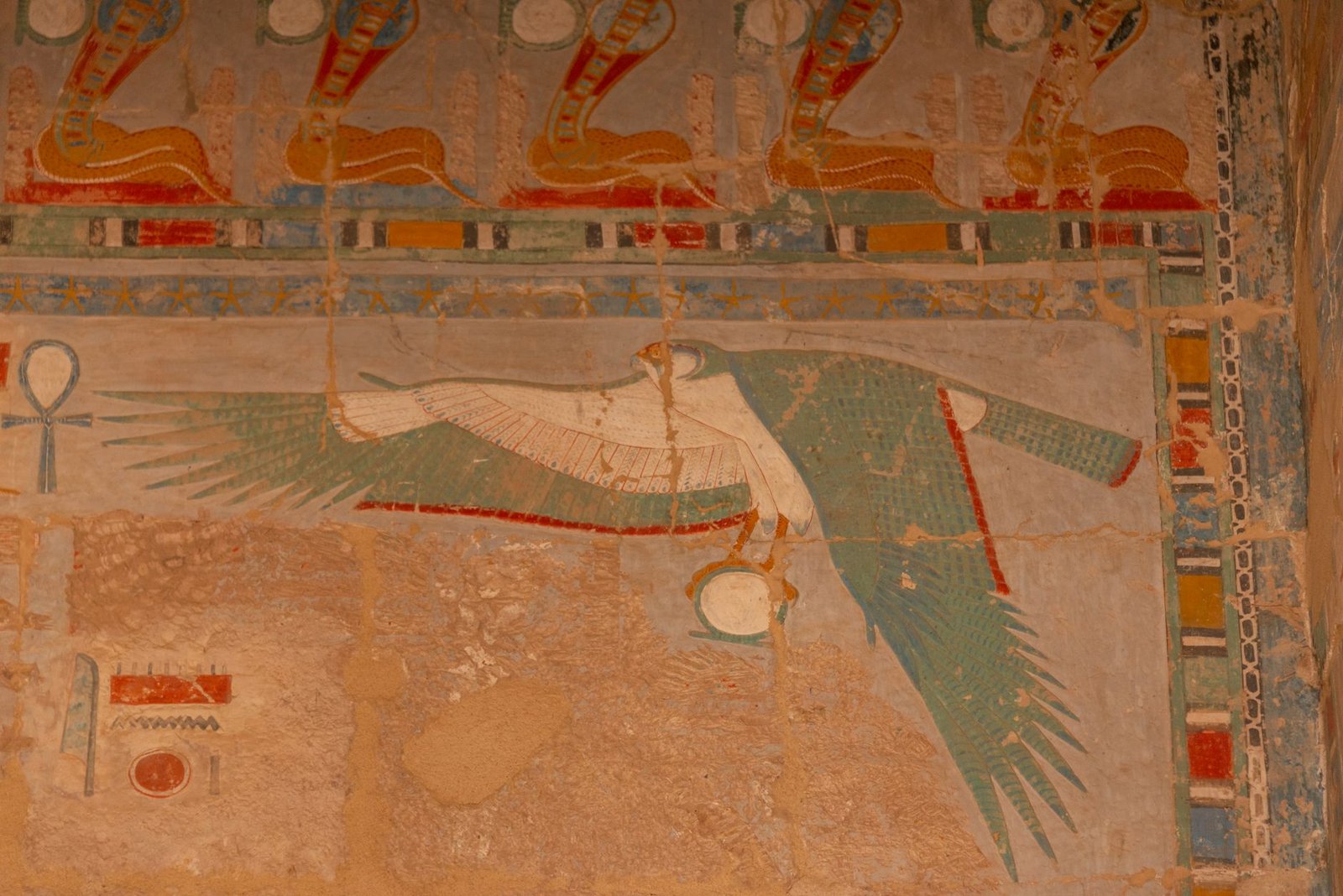
Who Is Shu in Egyptian Mythology? Meaning and Role
Who is Shu in Egyptian mythology? He is the ancient Egyptian god of air, light, and the space between heaven and earth, famed for lifting Nut away from Geb and helping establish cosmic order. This article explores his name, origins, role in creation myths, and lasting place in Egyptian religious thought.
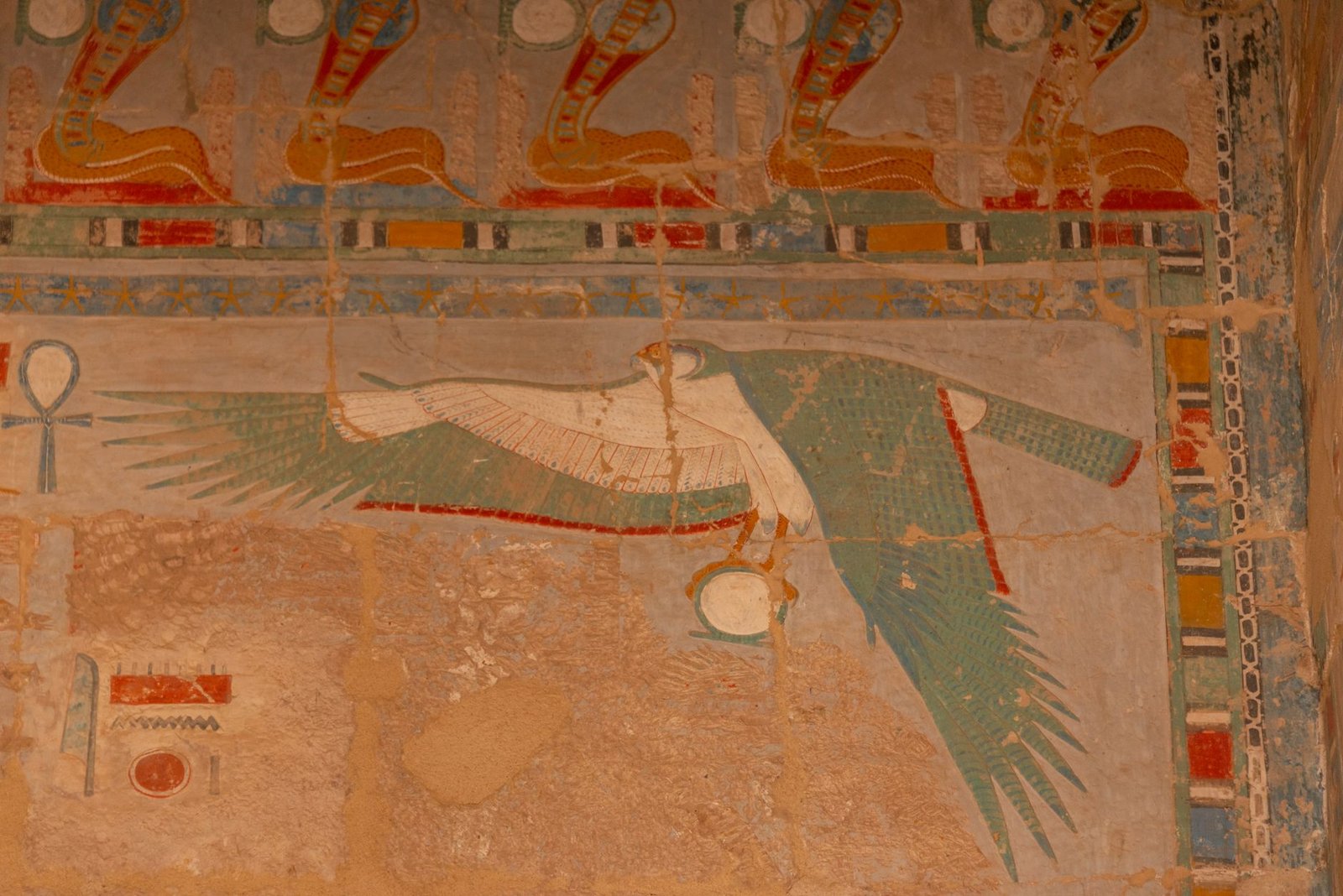
Who Is Ma’at in Egyptian Mythology? Meaning and Role
Ma’at in Egyptian mythology is both a goddess and a guiding principle embodying truth, justice, order, and cosmic balance. Understanding her reveals how the ancient Egyptians connected kingship, morality, and the afterlife to the stability of the universe, with much more waiting beneath this foundational idea.
Who Is Neith in Egyptian Mythology? A Guide
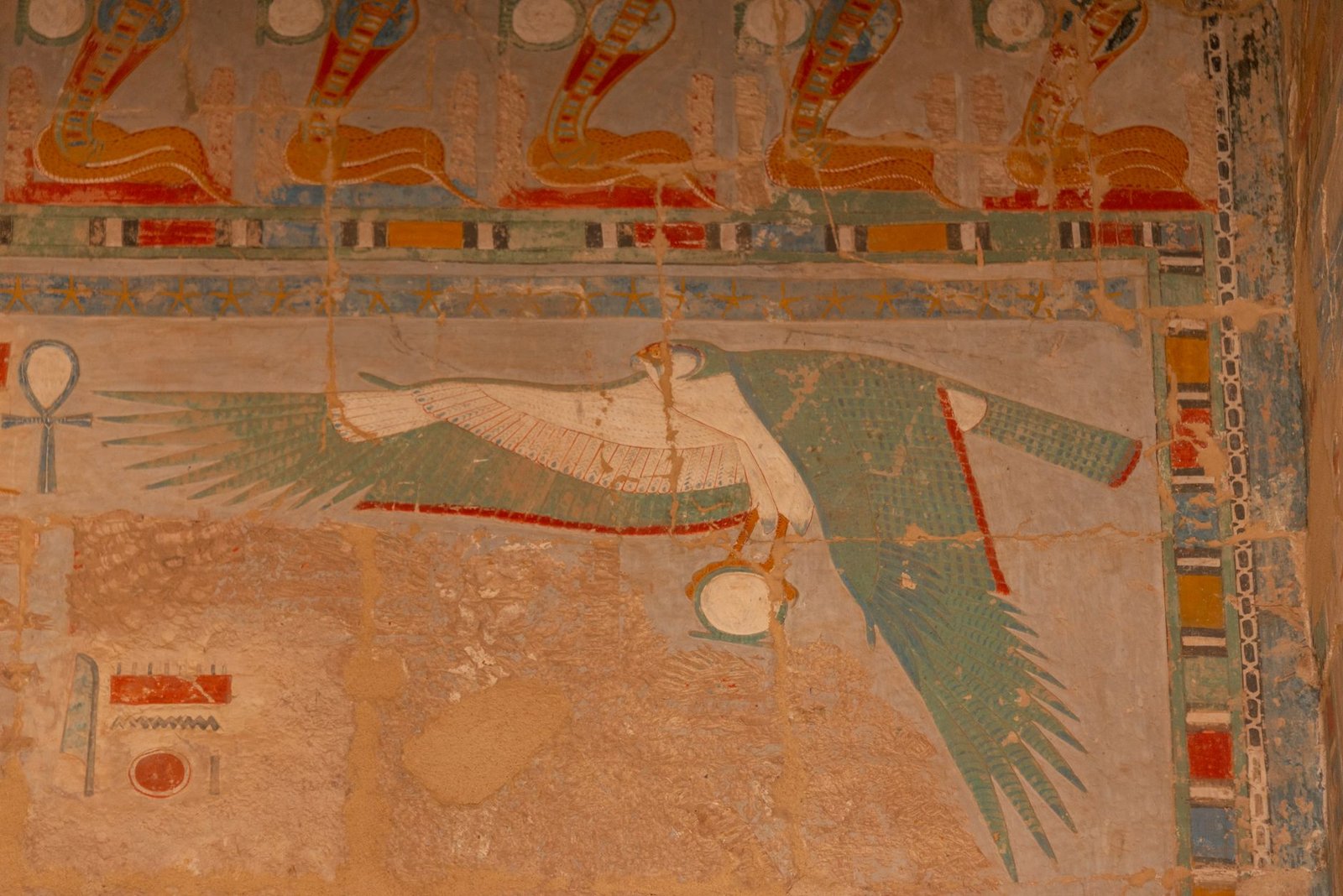
Neith in Egyptian mythology is one of the oldest and most complex goddesses, blending roles as creator, warrior, weaver, and guardian across millennia of worship. This overview traces her shifting symbolism, major cult center at Sais, and the meanings ancient Egyptians and later Greek writers drew from her enduring presence.
Who Is Hathor in Egyptian Mythology? Complete Guide
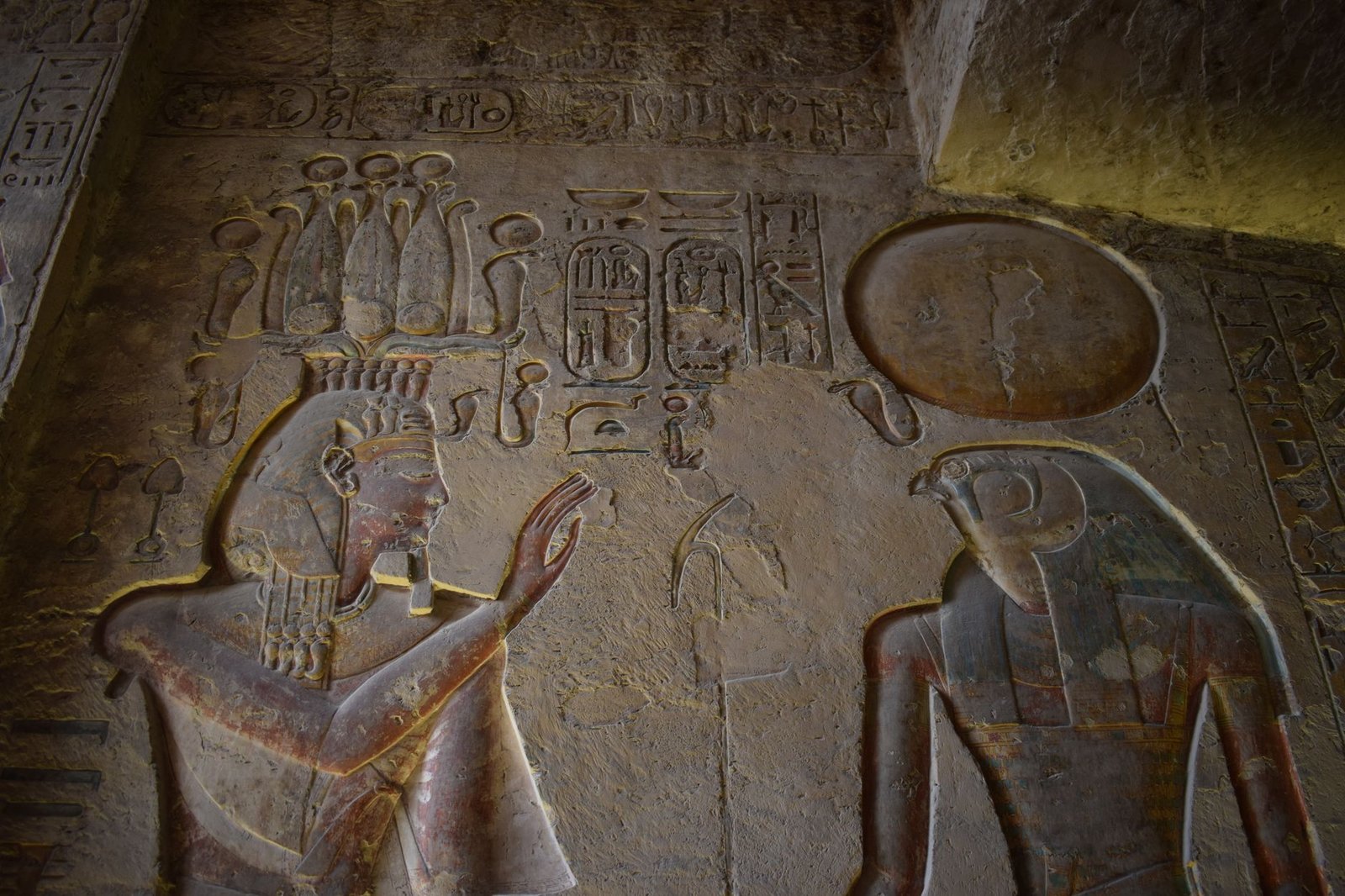
Hathor is one of the most enduring goddesses in ancient Egyptian religion, known for her roles in love, joy, music, motherhood, fertility, protection, the sky, and the afterlife. Understanding who is Hathor in Egyptian mythology reveals a deity whose changing identity, sacred name, and ties to Horus reflect the adaptability and depth of Egyptian belief.
Who Is Hapi in Egyptian Mythology? Meaning and Role
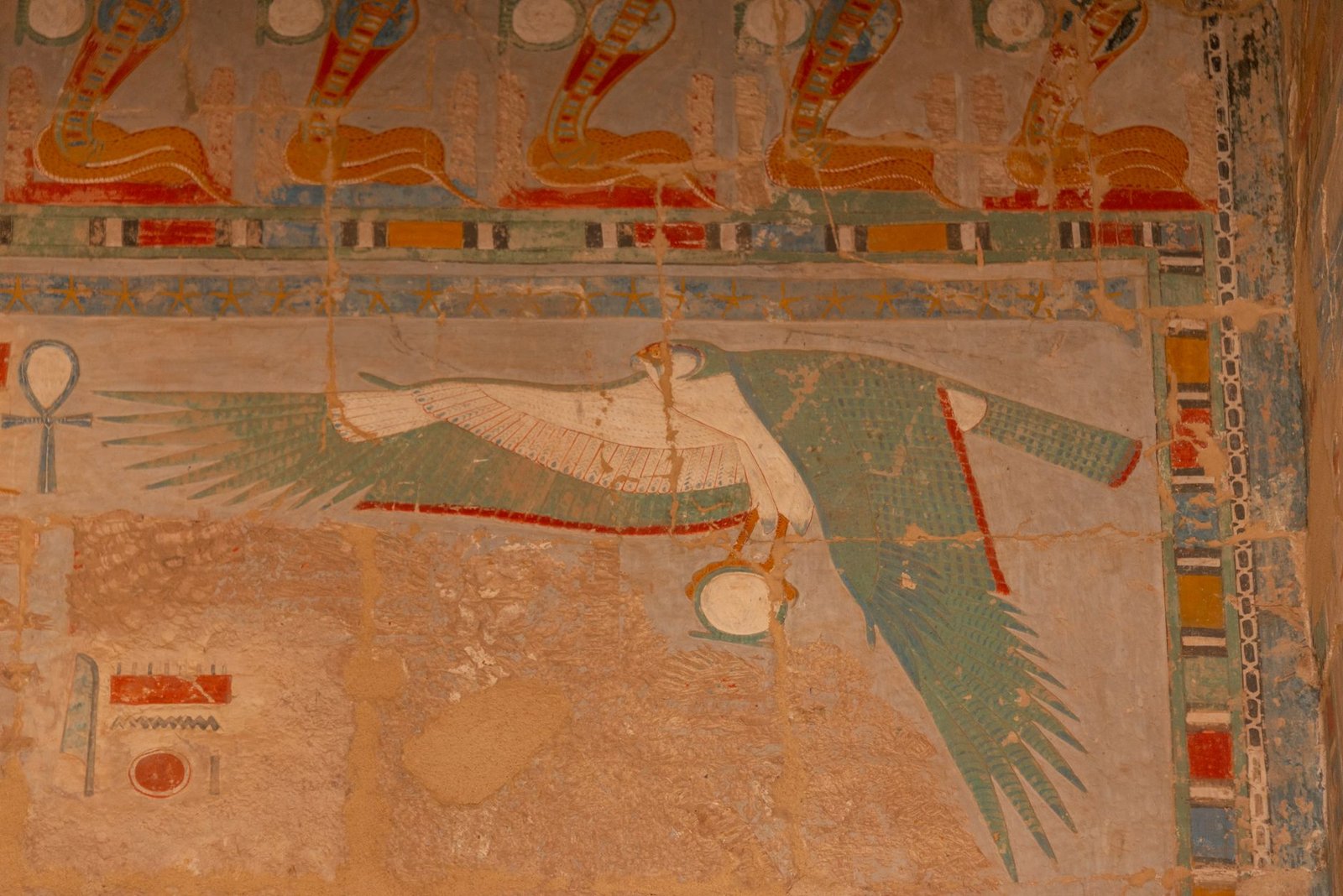
Who is Hapi in Egyptian mythology? He is best known as the benevolent god of the Nile’s annual flood, a deity tied to fertility, abundance, and the renewal that made Egyptian civilization possible. This article explores his role, symbolism, and the reasons his name also appears in other religious contexts.
Who Is Sobek in Egyptian Mythology? God of the Nile
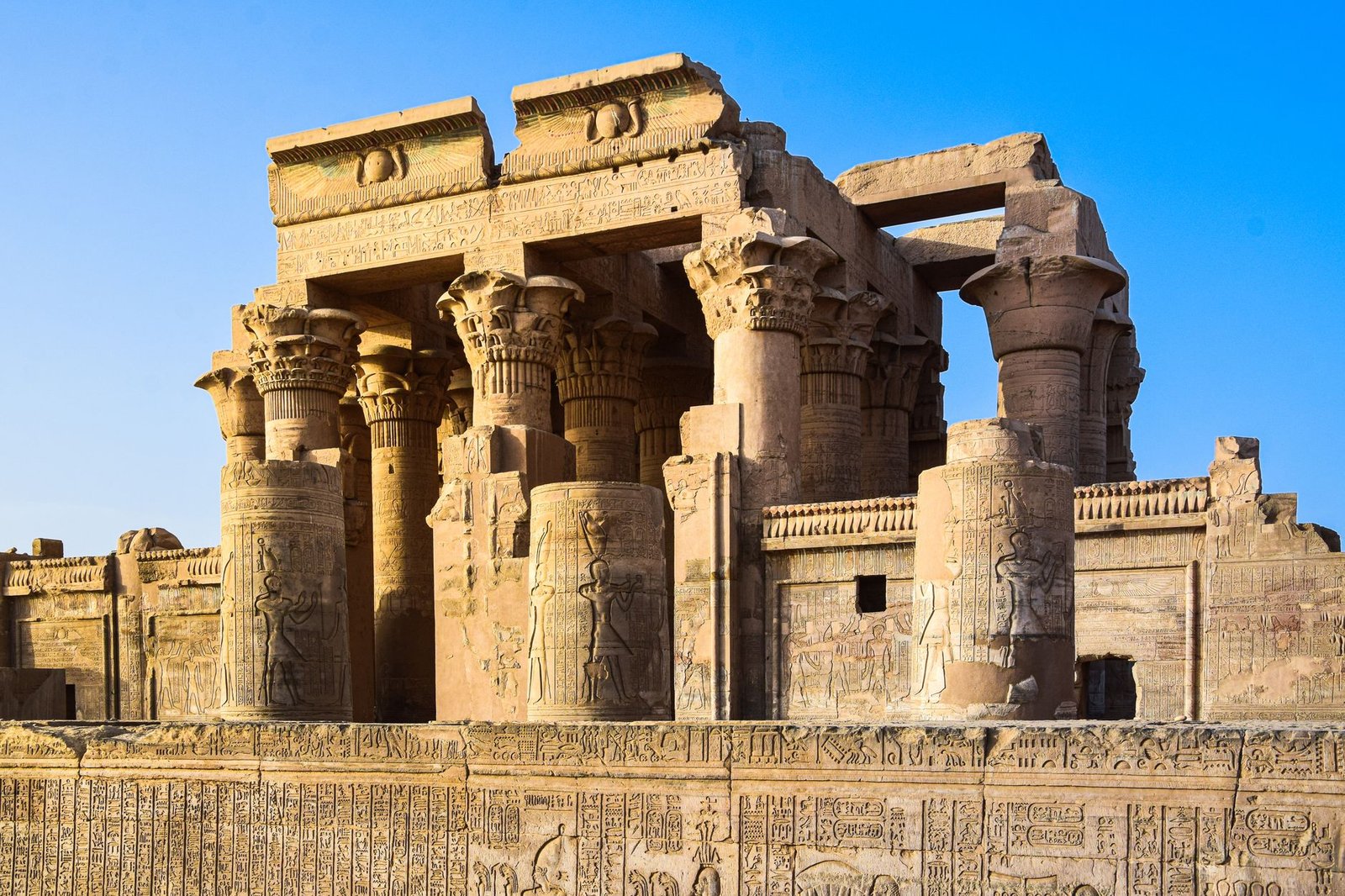
Sobek is a major figure in Egyptian mythology, usually depicted as a crocodile or a man with a crocodile head, and linked to the Nile, fertility, protection, and formidable natural power. His changing roles across regions and eras reveal why this ancient god mattered so deeply to Egyptian religion, kingship, and daily life.
Who Is the King of the Egyptian Gods? A Clear Answer
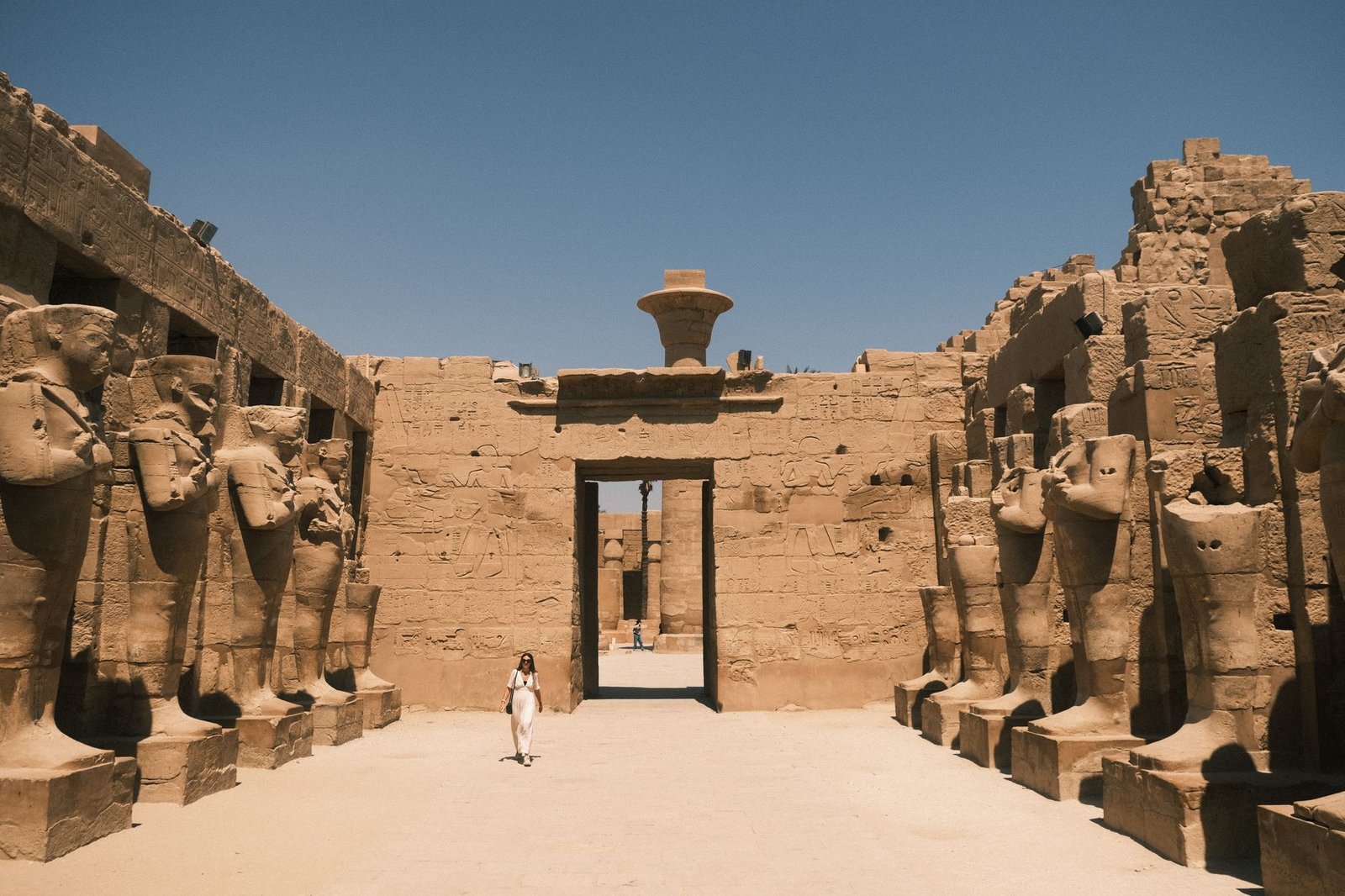
In ancient Egyptian religion, the question of who is the king of the Egyptian gods usually points to Amun-Ra, the powerful fusion of Amun and Ra that came to symbolize divine kingship in the New Kingdom. Yet the answer shifts with time, place, and theology, revealing a complex pantheon where solar creation, hidden power, and royal legitimacy were often intertwined.
Why Do Egyptian Gods Have Animal Heads? Explained
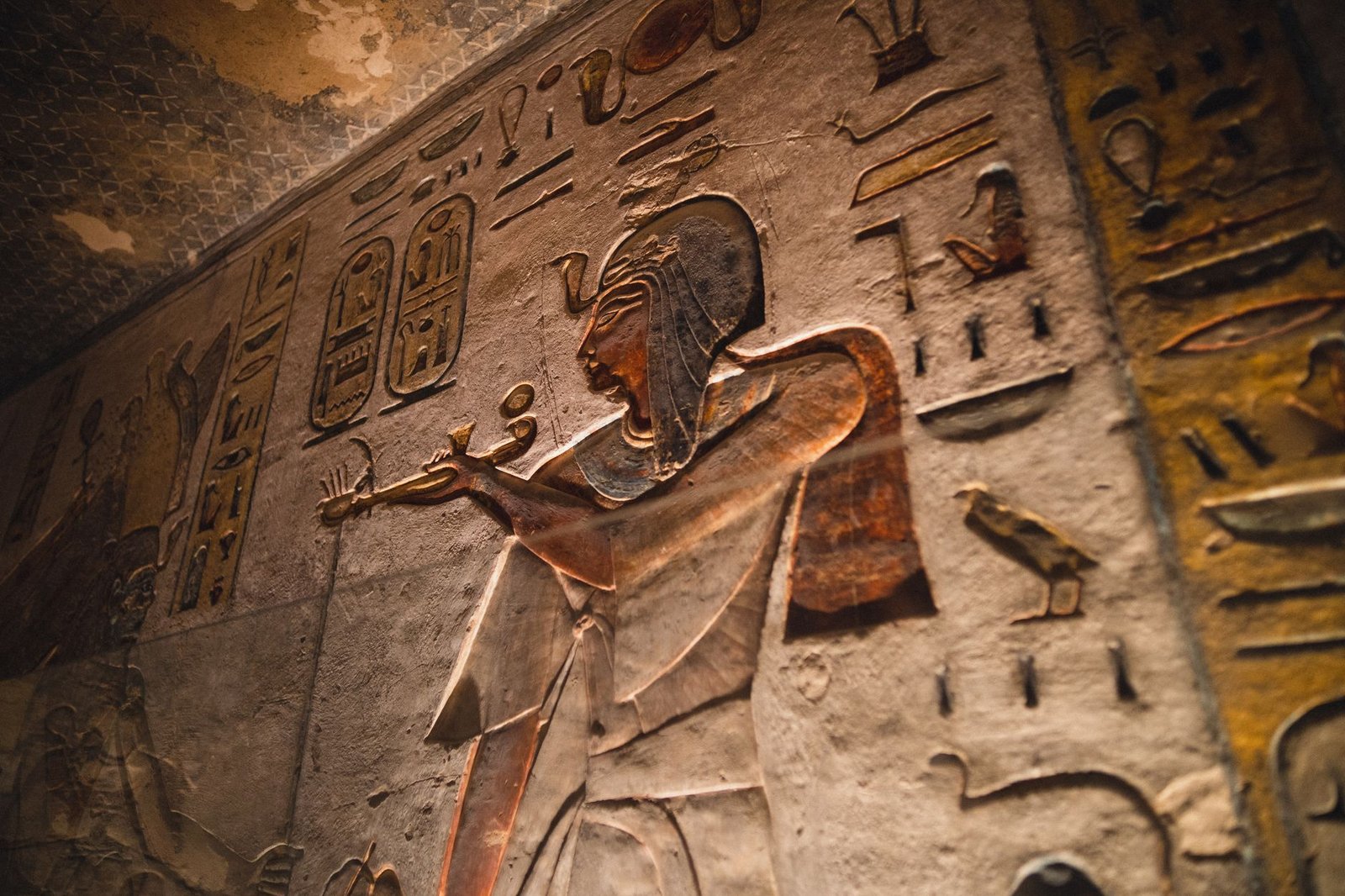
Why do Egyptian gods have animal heads? Ancient Egyptian religion used animal-headed forms to express divine powers, natural forces, and ideal qualities through symbols drawn from everyday life and the Nile world. This article explains how these images developed, what animals like falcons and jackals represented, and why they remain central to understanding Egyptian beliefs.
Egyptian Gods During the Amarna Period: Changes Explained
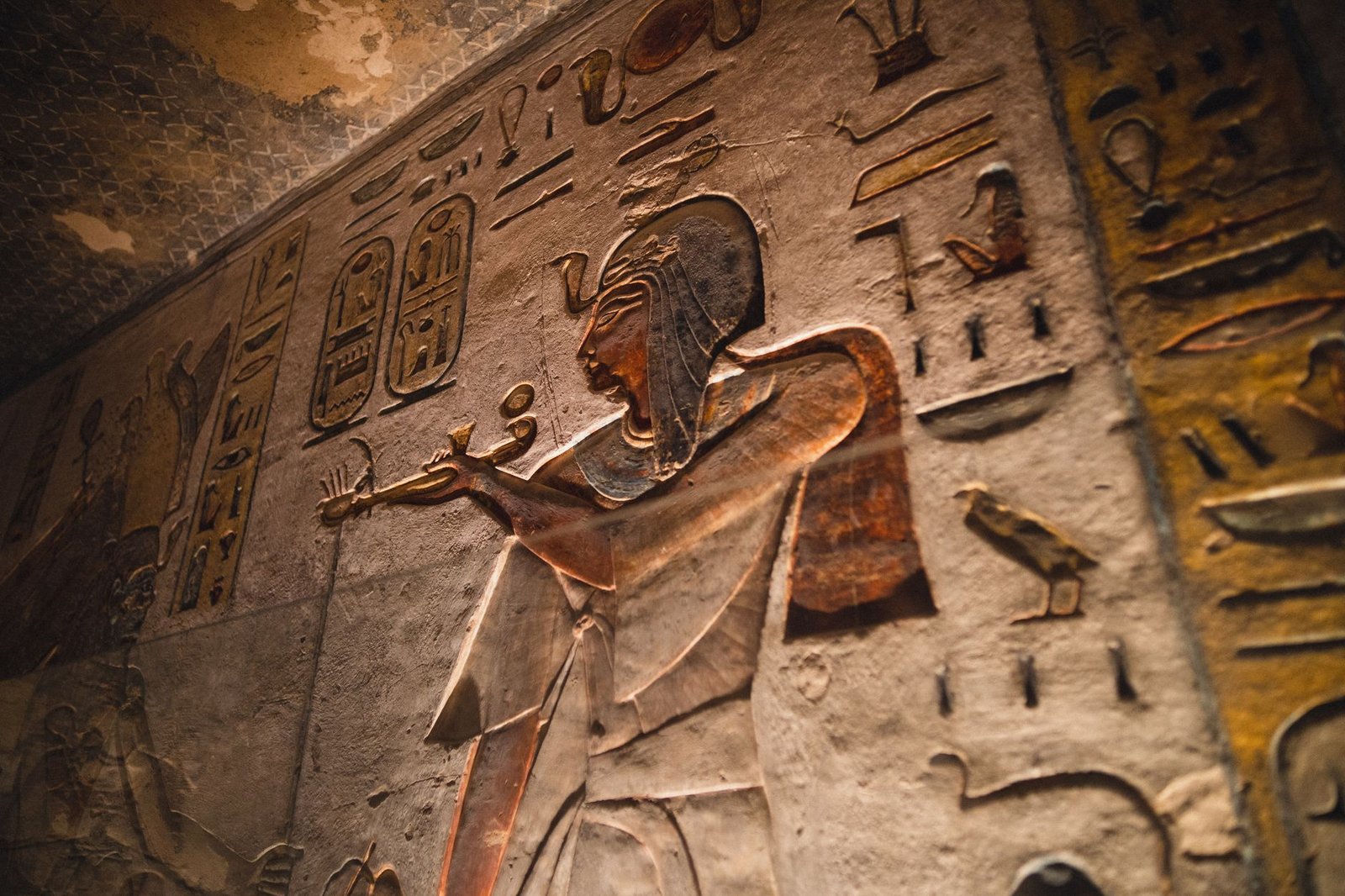
During the Amarna period, the Egyptian gods were not simply replaced but reorganized as Akhenaten elevated the Aten above the traditional pantheon and restricted the public power of major deities such as Amun. This excerpt explains how religious imagery, royal authority, and temple worship were reshaped in ways that still puzzle historians and redefine the meaning of divine kingship.