symbols and attributes

Are the Furies the Same as the Erinyes? Explained
The Furies and the Erinyes are, in most contexts, the same figures: ancient Greek avenging spirits later known in Latin and English by a different name. This article traces their meanings, origins, and role in myth and tragedy, showing how these fearsome beings embodied justice, punishment, and the uneasy path from vengeance to order.
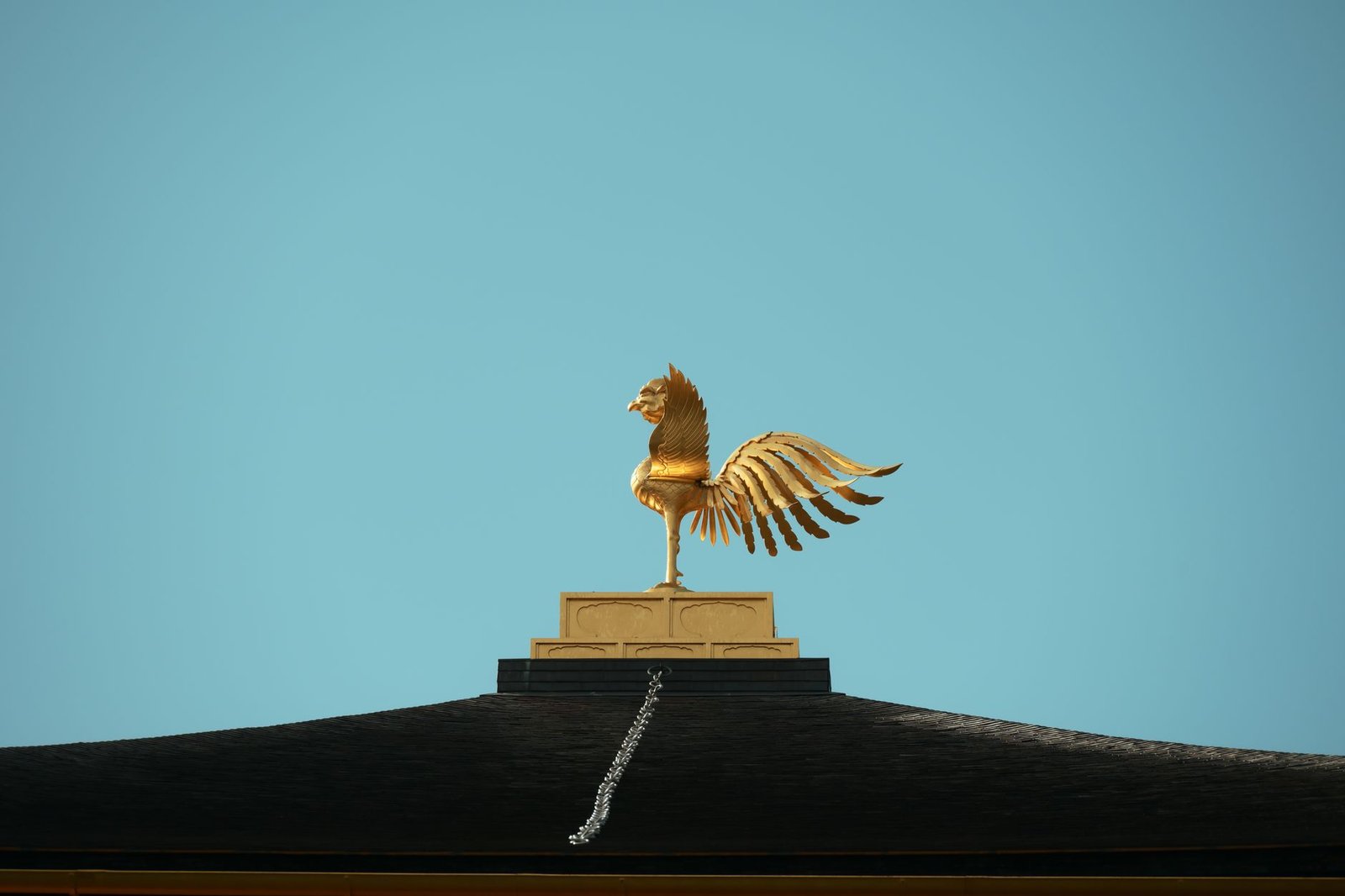
Roman Phoenix: History, Mythology, and Symbolism
The Roman Phoenix was not a distinct deity but a powerful mythic symbol in Roman religion, literature, art, and imperial imagery, representing renewal, immortality, and the continuity of empire. Traced through Greek and Egyptian influences and reinterpreted by Roman writers and rulers, its meaning reveals how ancient Rome used the phoenix to express endurance after crisis and the promise of restoration.

Two Faces of Janus: Meaning, Symbolism, and Origins
Two Faces of Janus is a concise entry into the Roman god whose double gaze symbolized thresholds, beginnings, endings, and the passage between states. This excerpt explores his religious role, the likely connection of his name to doors and January, and the lasting influence of Janus as a sign of transition, duality, and time.
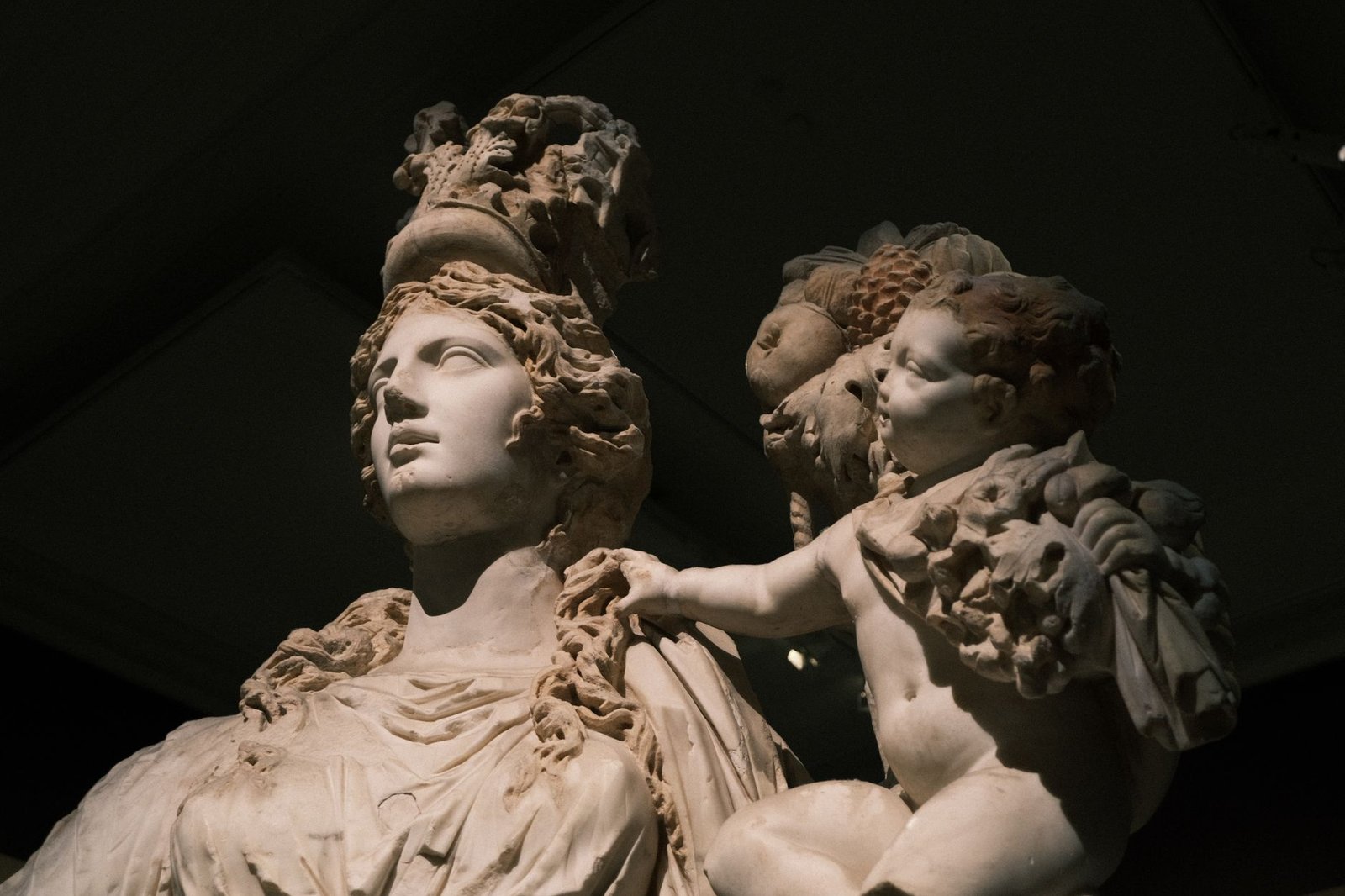
Minerva: Roman Goddess of Wisdom and War
Minerva is a major deity of Greco-Roman religion, revered in Roman tradition as the goddess of wisdom, strategic warfare, crafts, learning, and disciplined action. This article explores her uncertain origins, her role in Roman public life and ritual, and the enduring influence that made Minerva a lasting symbol of intellect, protection, and cultural identity.
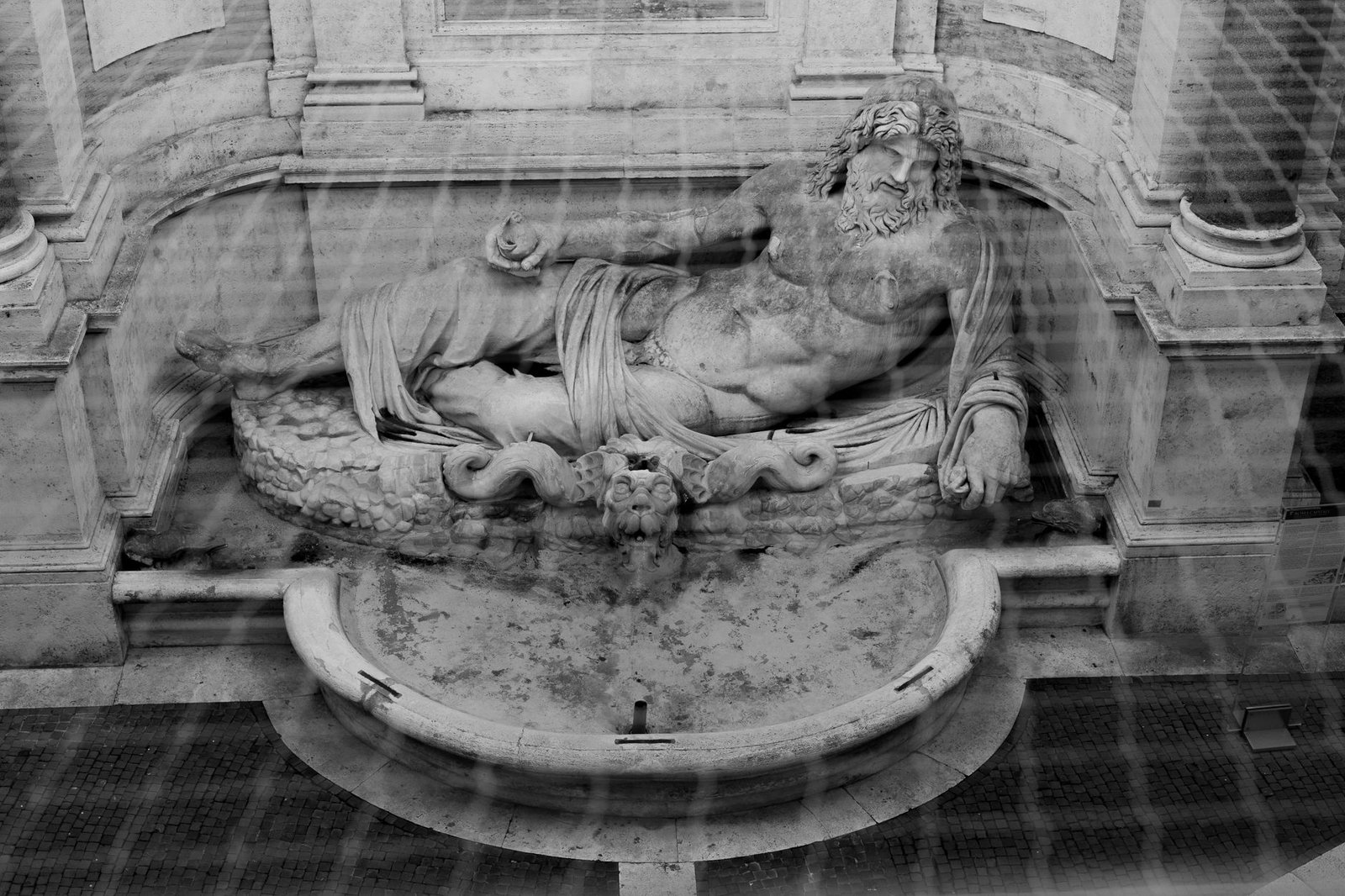
Neptune (Roman God): Roman God of the Sea and Water
Neptune (Roman god) was a major Roman deity of fresh waters, the sea, and horses, later identified with the Greek Poseidon. His history reveals a more complex origin than that of a simple sea god, linking him to springs, rivers, navigation, and the practical needs of Roman life.
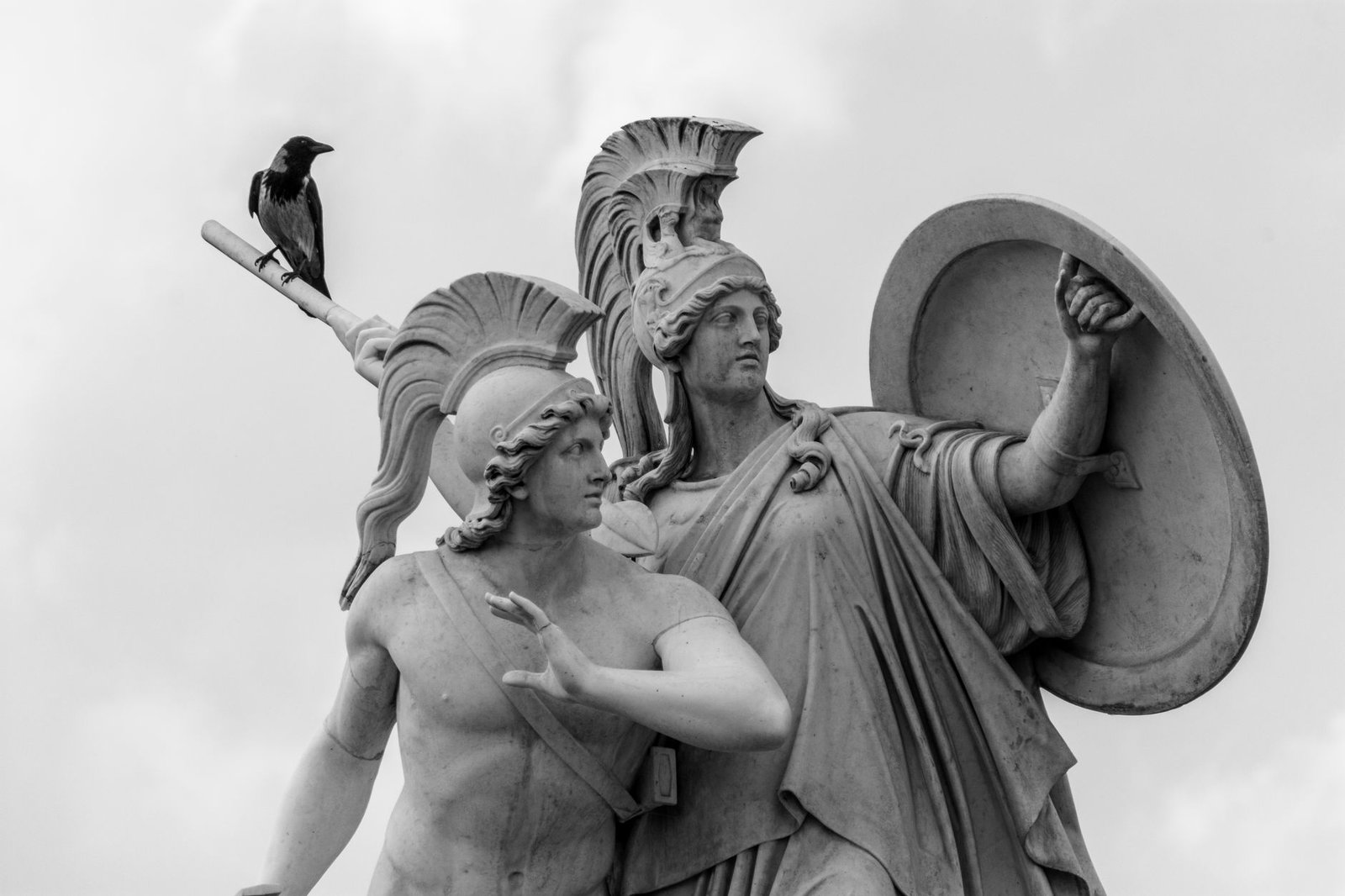
Apollo: Greek God of Music, Poetry, and Sun
Apollo is one of the most enduring figures in Greco-Roman mythology, revered as the god of prophecy, music, healing, and archery. His cult at Delphi and Delos, along with his complex role as both benefactor and punisher, reveals why Apollo remained a powerful symbol of order, harmony, and divine authority across ancient and later Western culture.

The Twelve Dii Consentes: Roman Gods and Goddesses
The Twelve Dii Consentes were the principal gods of Roman religion, a prestigious council of twelve deities broadly aligned with the Greek Olympians but shaped by Roman custom and political life. This article traces their origin, meaning, and changing composition, showing how these gods reflected Roman ideas of divine order, public worship, and cultural adaptation.
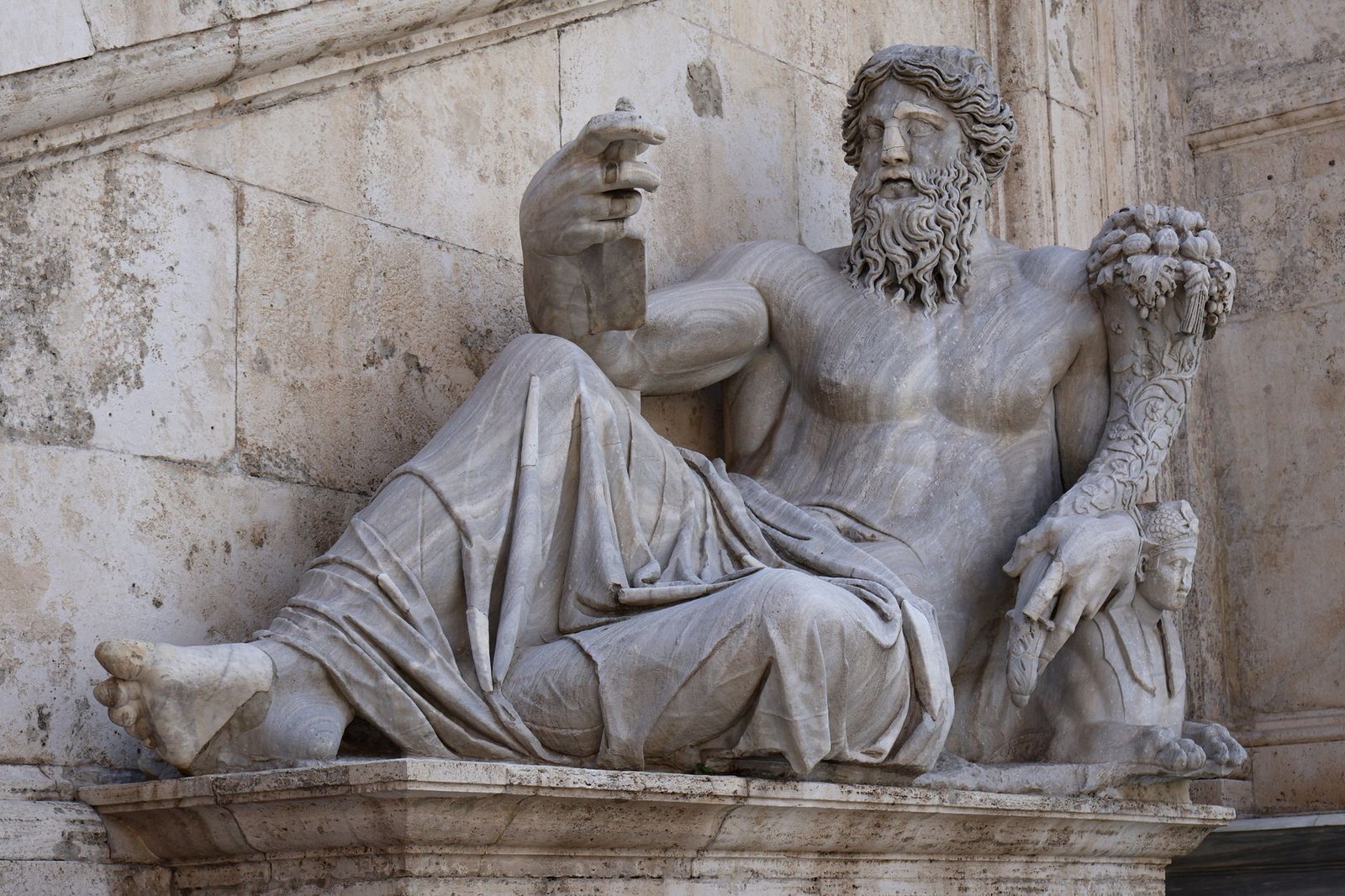
King of the Roman Gods: Jupiter in Roman Mythology
King of the Roman gods, Jupiter stood at the center of Roman religion as ruler of the sky, guardian of oaths, and protector of the state. This article traces his ancient origins, his role in law and power, and the lasting influence that made him one of Rome’s most enduring divine figures.

Caduceus: Meaning, Symbolism, and History
The caduceus is an ancient symbol of Hermes and Mercury, shown as a staff entwined by two serpents and often topped with wings. Though now widely associated with medicine, its history is rooted in heraldry, commerce, diplomacy, and myth, raising questions about how its meaning shifted over time.

Golden Fleece: Meaning, Myth, and Greek Legend
The Golden Fleece is one of Greek mythology’s most enduring symbols: the golden wool of a divine ram and the prize at the heart of Jason and the Argonauts. Associated with kingship, legitimacy, and perilous quests, it has inspired centuries of interpretation, from ancient epic to modern scholarship.