symbols and attributes
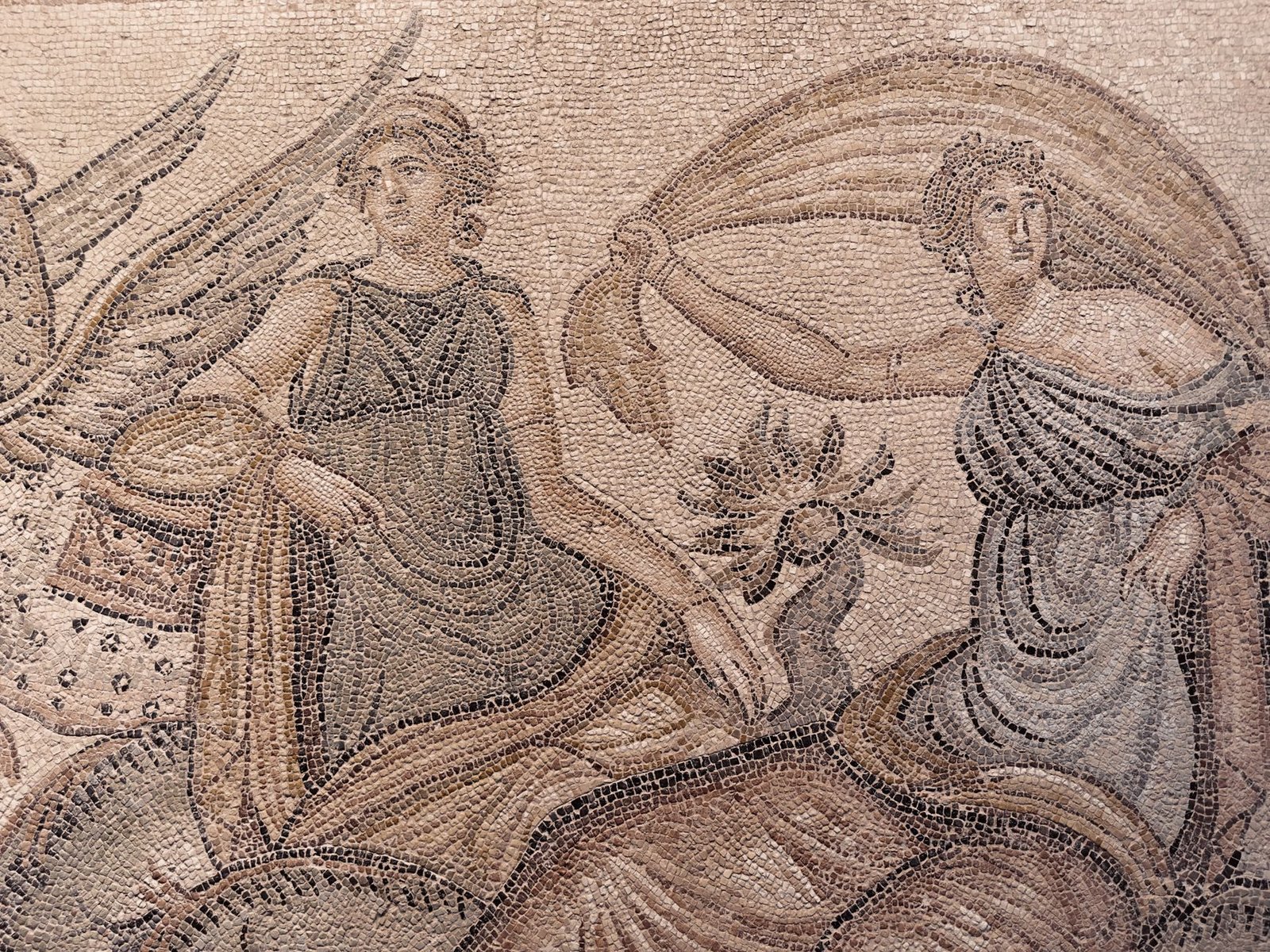
Odysseus and Circe: Myth, Encounter, and Story
Odysseus and Circe is a celebrated episode in Homer’s *Odyssey*, where enchantment, temptation, and self-mastery shape a pivotal encounter between a cunning hero and a powerful sorceress. After Circe transforms Odysseus’s men into swine, the story traces how divine aid, hospitality, and shifting loyalties reveal deeper tensions between reason and desire, making this myth central to Greek literature and interpretation.
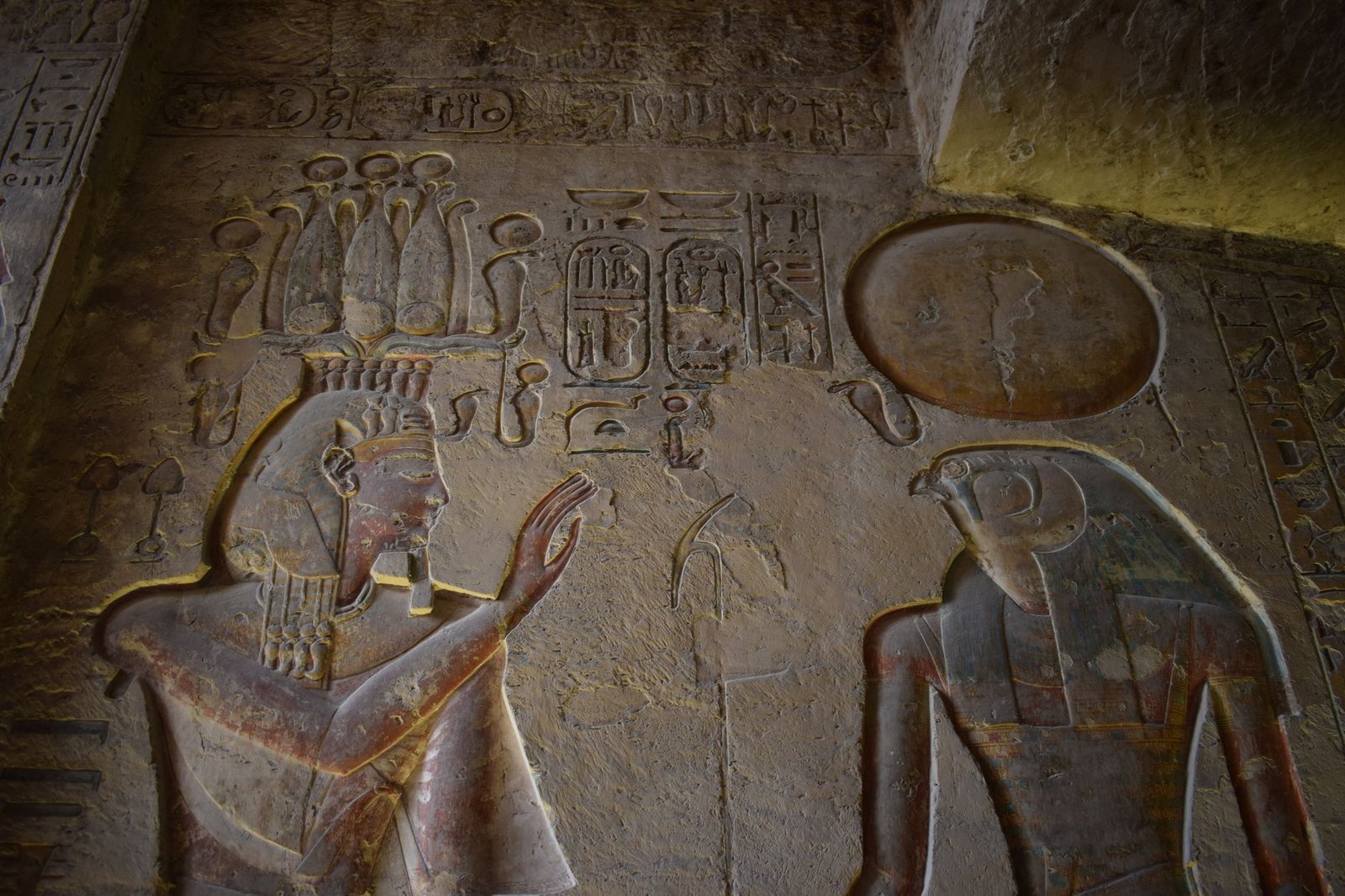
What Is the Uraeus in Egyptian Mythology?
The uraeus in Egyptian mythology is the rearing cobra emblem associated with divine authority, royal protection, and the power to repel enemies, most often linked to the goddess Wadjet and the pharaoh’s crown. Its long history in art and ritual reveals how one small image came to express legitimacy, sacred power, and the close bond between rulers and the gods.
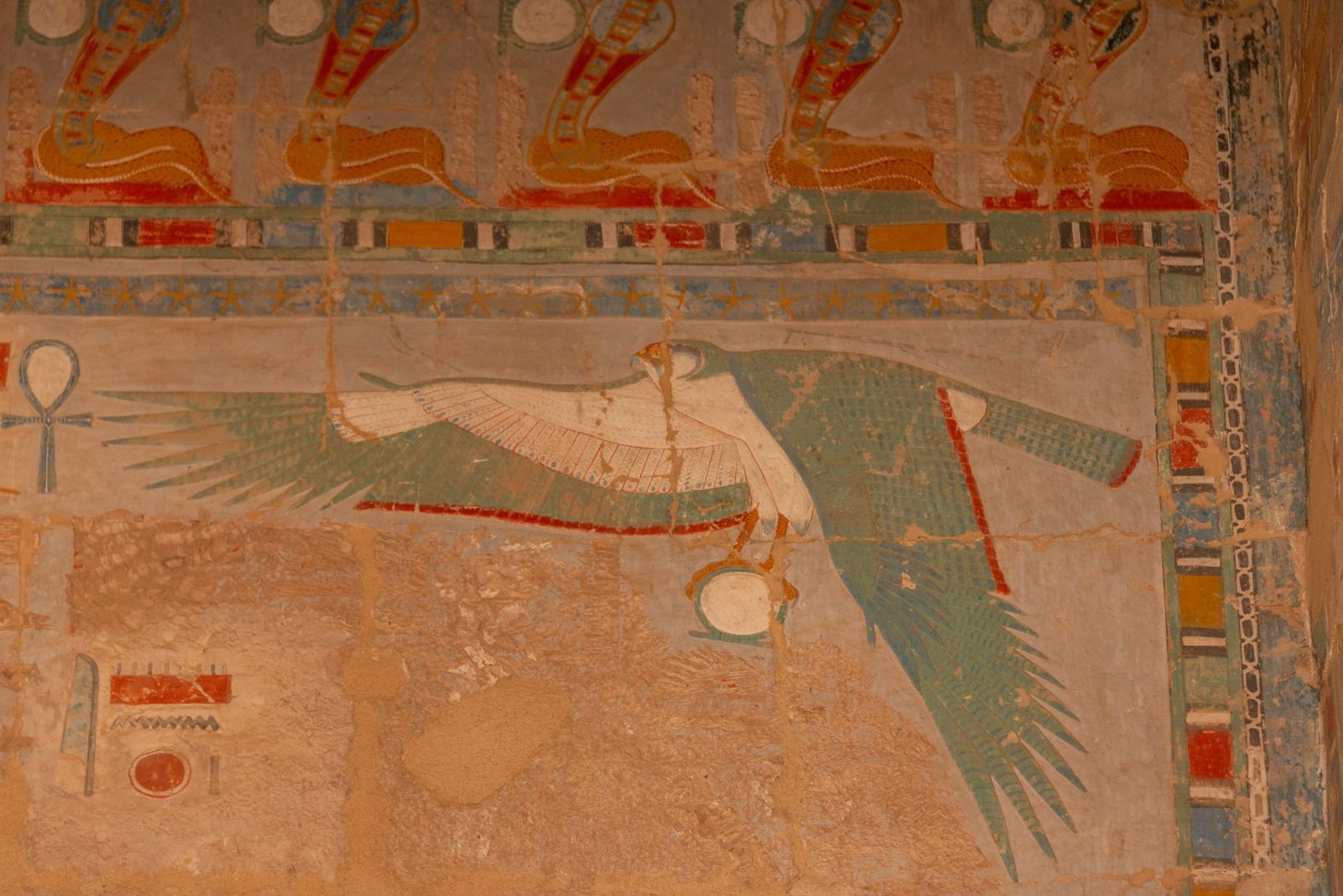
Who Is Atum in Egyptian Mythology? Origin and Meaning
Atum in Egyptian mythology is the self-created creator god who emerged from the primeval waters of Nun, embodying completeness, order, and the first act of creation. Closely tied to Heliopolis and the setting sun, he anchors major Egyptian creation traditions and reveals how ancient theologians understood the origins of the cosmos.
Who Is Ra in Egyptian Mythology? Sun God Explained
Ra is one of the central gods of ancient Egyptian mythology, revered as the sun deity, creator, and guardian of cosmic order. This article explores how who is ra in egyptian mythology became a question tied to kingship, daily renewal, and shifting religious traditions that shaped Egypt for thousands of years.
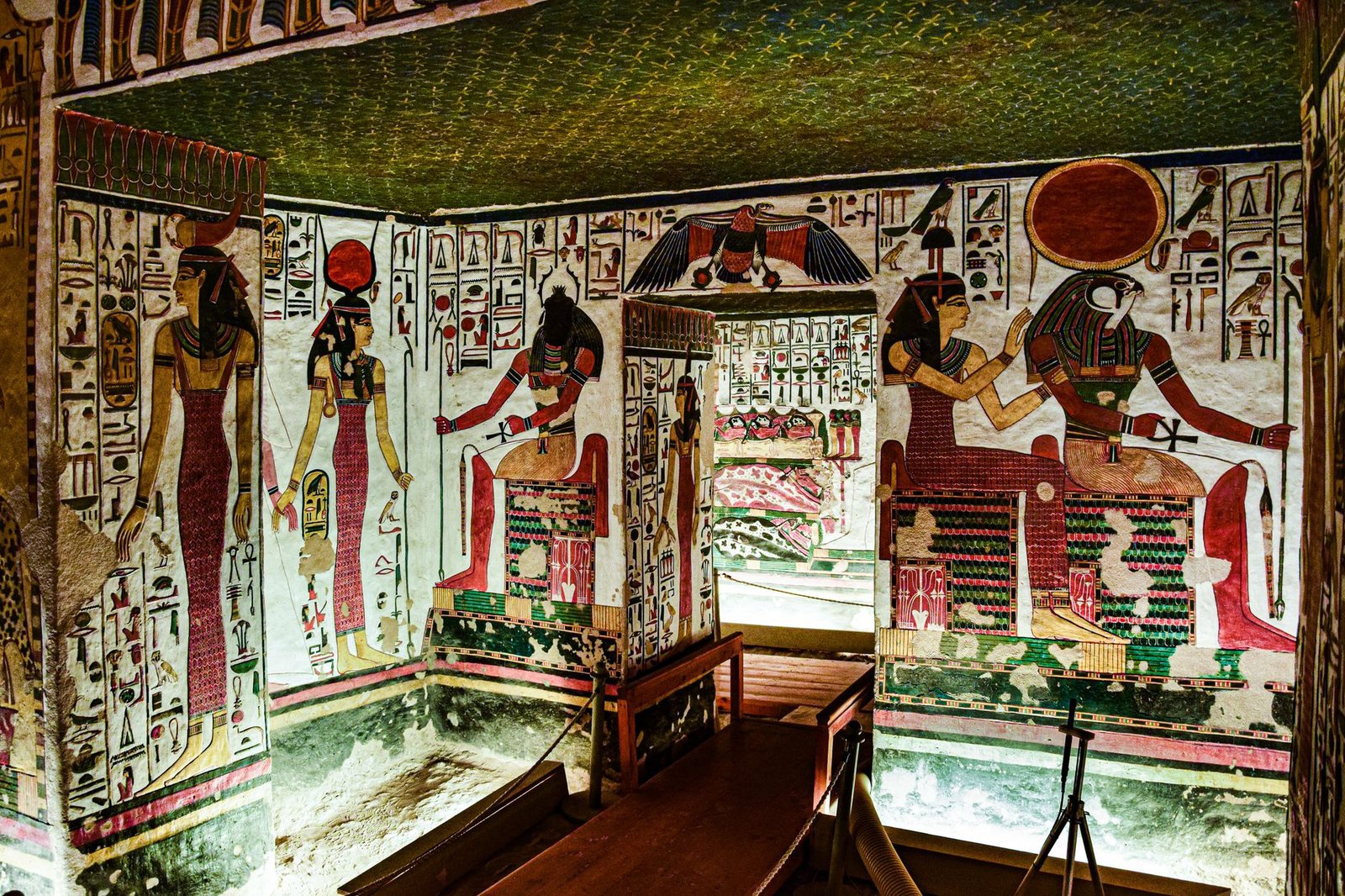
Who Is Nephthys in Egyptian Mythology? Role and Meaning
Who is Nephthys in Egyptian mythology? She is an important goddess of death, protection, and mourning, a member of the Heliopolitan Ennead whose presence shaped funerary belief and temple theology for centuries. Though often overshadowed by Isis and Osiris, her role in Egyptian myth reveals how ancient Egyptians understood the fragile boundary between life, death, and cosmic order.
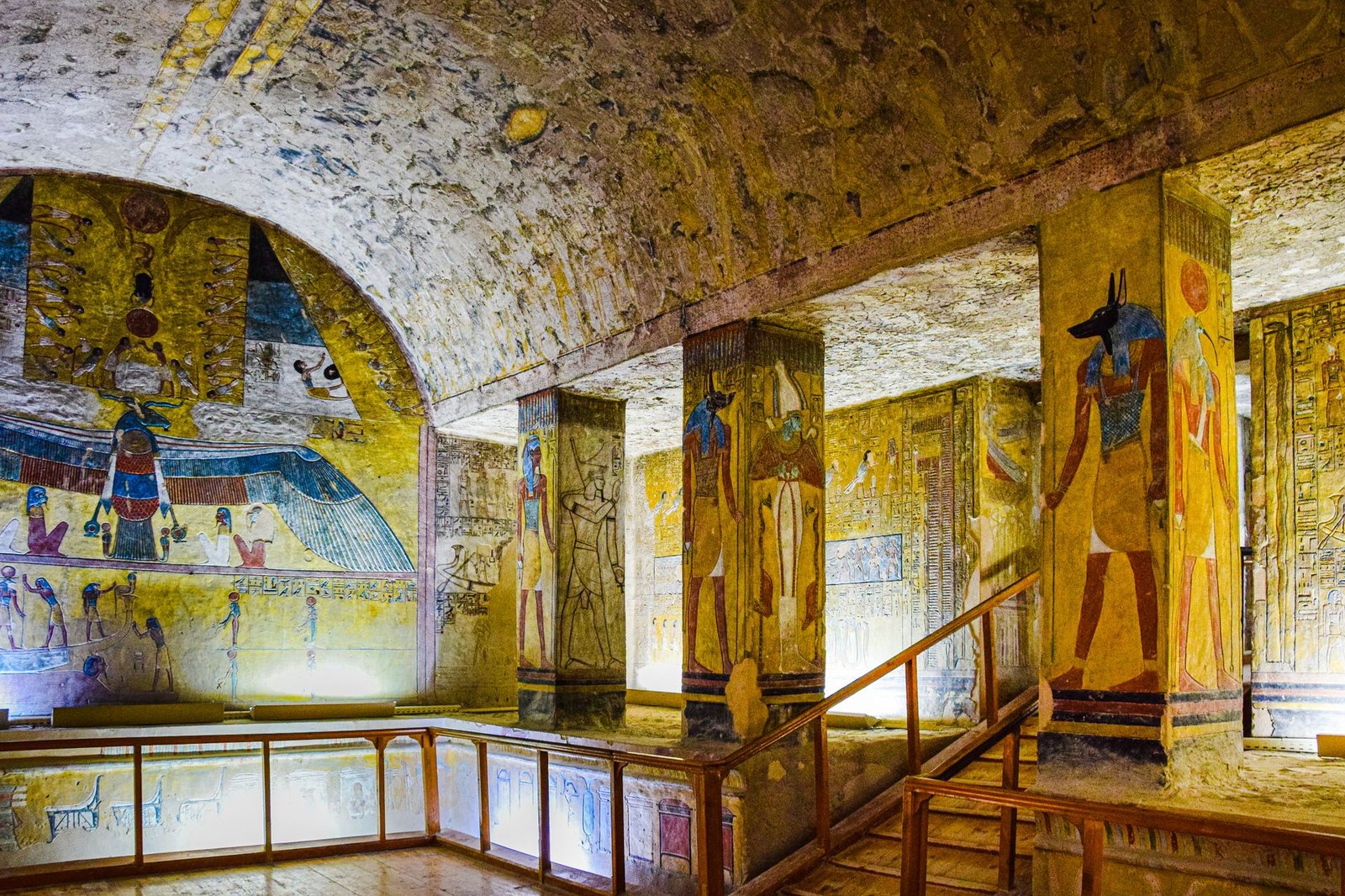
Who Is Anubis in Egyptian Mythology? Guide to the God
Anubis in Egyptian mythology is the jackal-headed god associated with mummification, tomb protection, and the guidance of souls into the afterlife, making him a central figure in ancient funerary belief. From his early appearance in Egyptian religion to his enduring role in burial rituals and sacred imagery, Anubis reveals how the Egyptians understood death, preservation, and divine order.
Who Is Seshat in Egyptian Mythology? History and Meaning
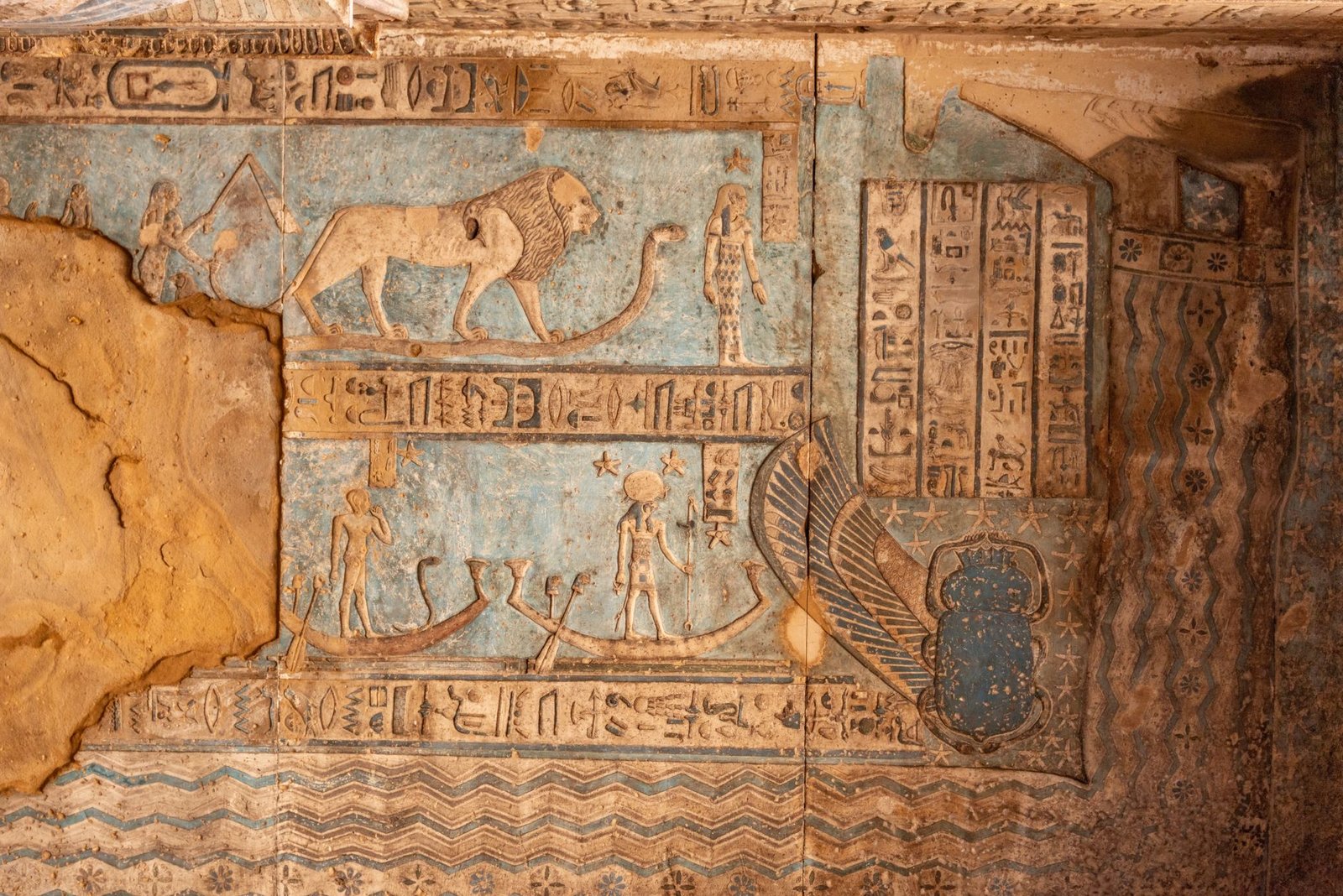
Seshat in Egyptian mythology was the goddess of writing, measurement, record-keeping, and sacred knowledge, a specialized deity whose influence shaped both temple ritual and royal administration. Often called the “Female Scribe,” she reveals how the ancient Egyptians linked literacy, surveying, and cosmic order—and why her role deserves closer study.
Who Is Nekhbet in Egyptian Mythology? Meaning and Role
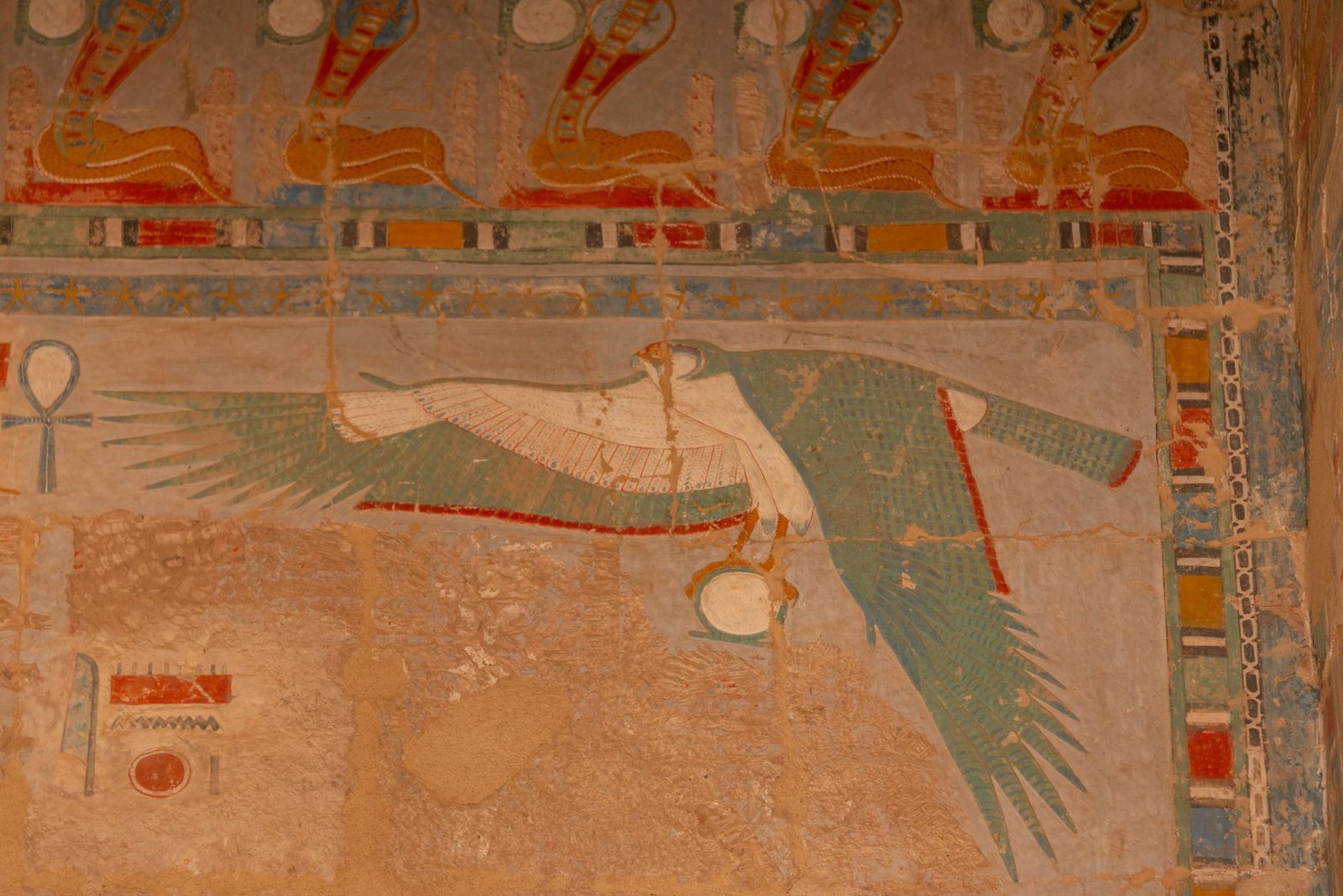
Nekhbet, the vulture goddess of Upper Egypt, was a major protective deity who embodied royal authority, maternal guardianship, and the divine unity of the Egyptian state. This excerpt explores who is nekhbet in Egyptian mythology, tracing her links to El Kab, her role beside Wadjet, and the enduring symbolism that made her a constant presence in kingship and temple art.
Who Is Neith in Egyptian Mythology? A Guide
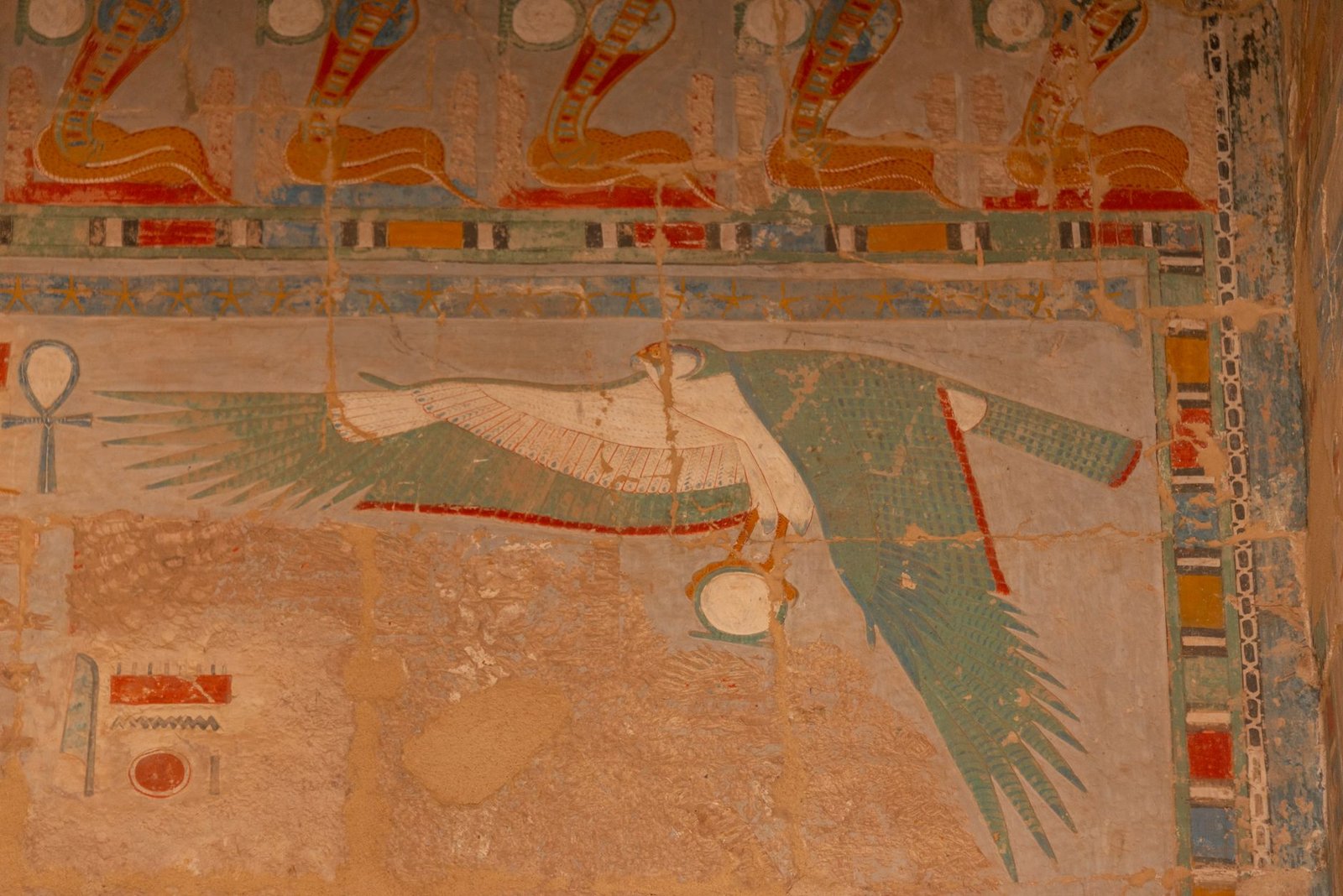
Neith in Egyptian mythology is one of the oldest and most complex goddesses, blending roles as creator, warrior, weaver, and guardian across millennia of worship. This overview traces her shifting symbolism, major cult center at Sais, and the meanings ancient Egyptians and later Greek writers drew from her enduring presence.
Who Is Bes in Egyptian Mythology? Meaning and Role
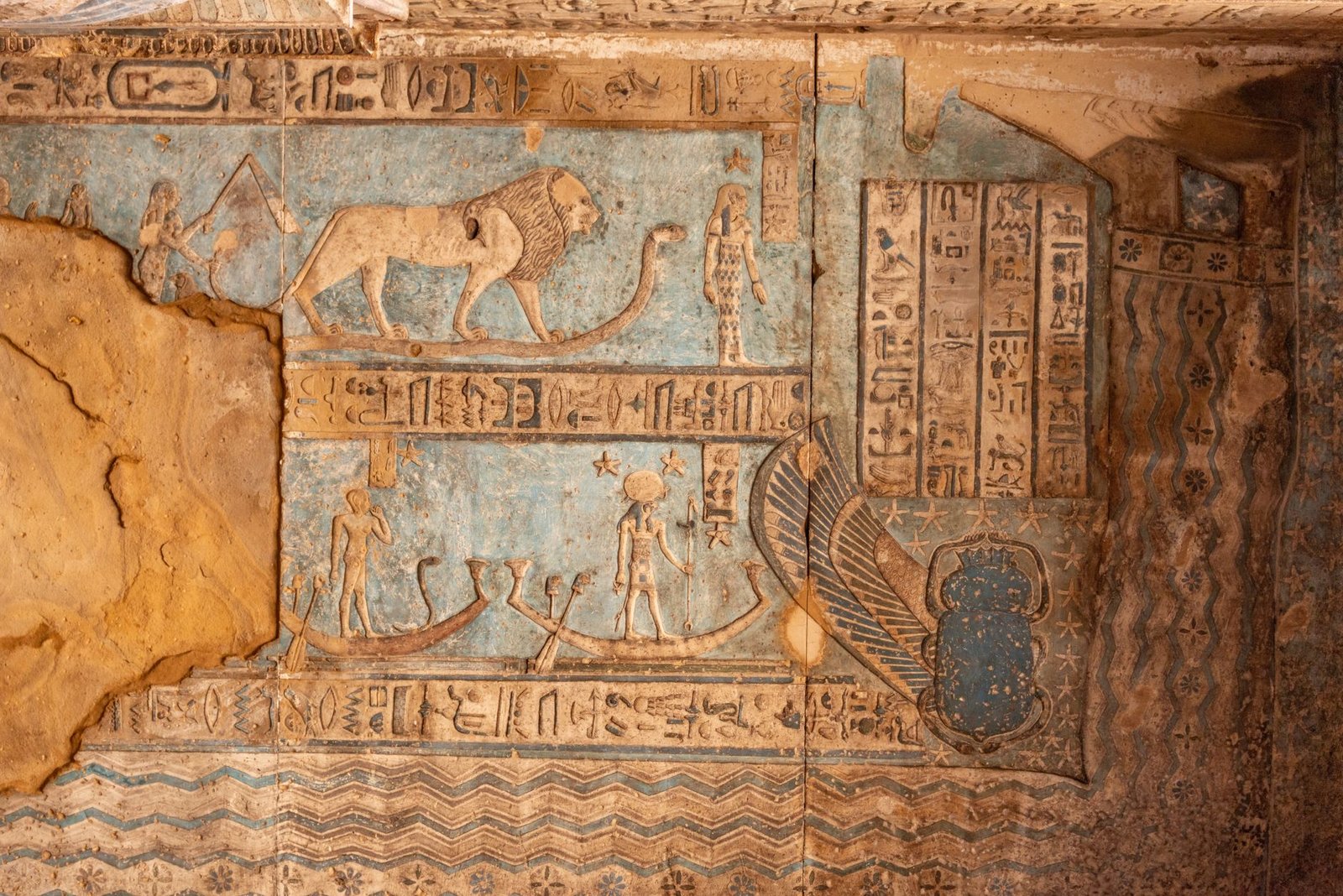
Bes is one of the most distinctive figures in Egyptian mythology, a dwarf-like protective god whose fierce, comic appearance set him apart from the formal deities of state religion. Closely linked to households, childbirth, fertility, music, and the repelling of evil, his enduring presence on amulets and domestic objects reveals why he remains central to understanding everyday ancient Egyptian beliefs.