symbols and attributes
Pandora’s Box: Meaning, Origin, and Myth Explained
Pandoras Box is a foundational Greek myth in which a forbidden opening releases suffering into the world, leaving only Hope behind. From its ancient jar in Hesiod to its later transformation into a modern idiom, the story reveals how a single act can reshape human understanding across literature, philosophy, and culture.
Eros’s Bow: Meaning, Mythology, and Symbolism
Eros’s bow is a central symbol in Greek mythology, linking the god of love and desire to the sudden force of attraction. This article traces its origins, changing representations in ancient literature and art, and the lasting cultural idea that love can strike unexpectedly, like an arrow.
Golden Apple of Discord vs. Golden Apples of the Hesperides
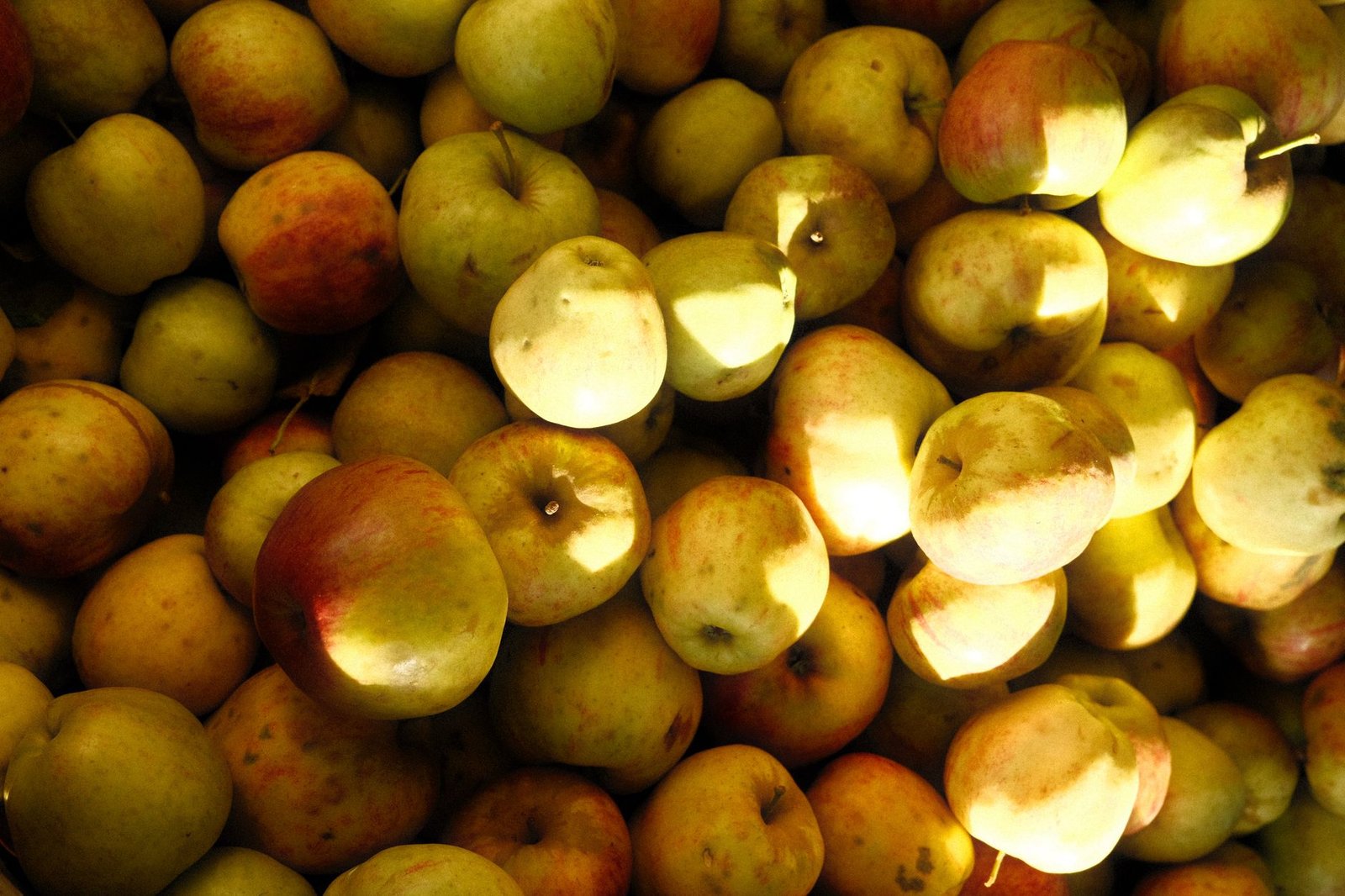
The phrase Golden Apple of Discord vs Golden Apples of the Hesperides distinguishes two famous Greek myths that share a symbol but not a meaning. One apple ignited the chain of events leading to the Trojan War, while the other belonged to a guarded western paradise and the heroic labor of Heracles, revealing how a single image can signify strife, desire, and divine reward.
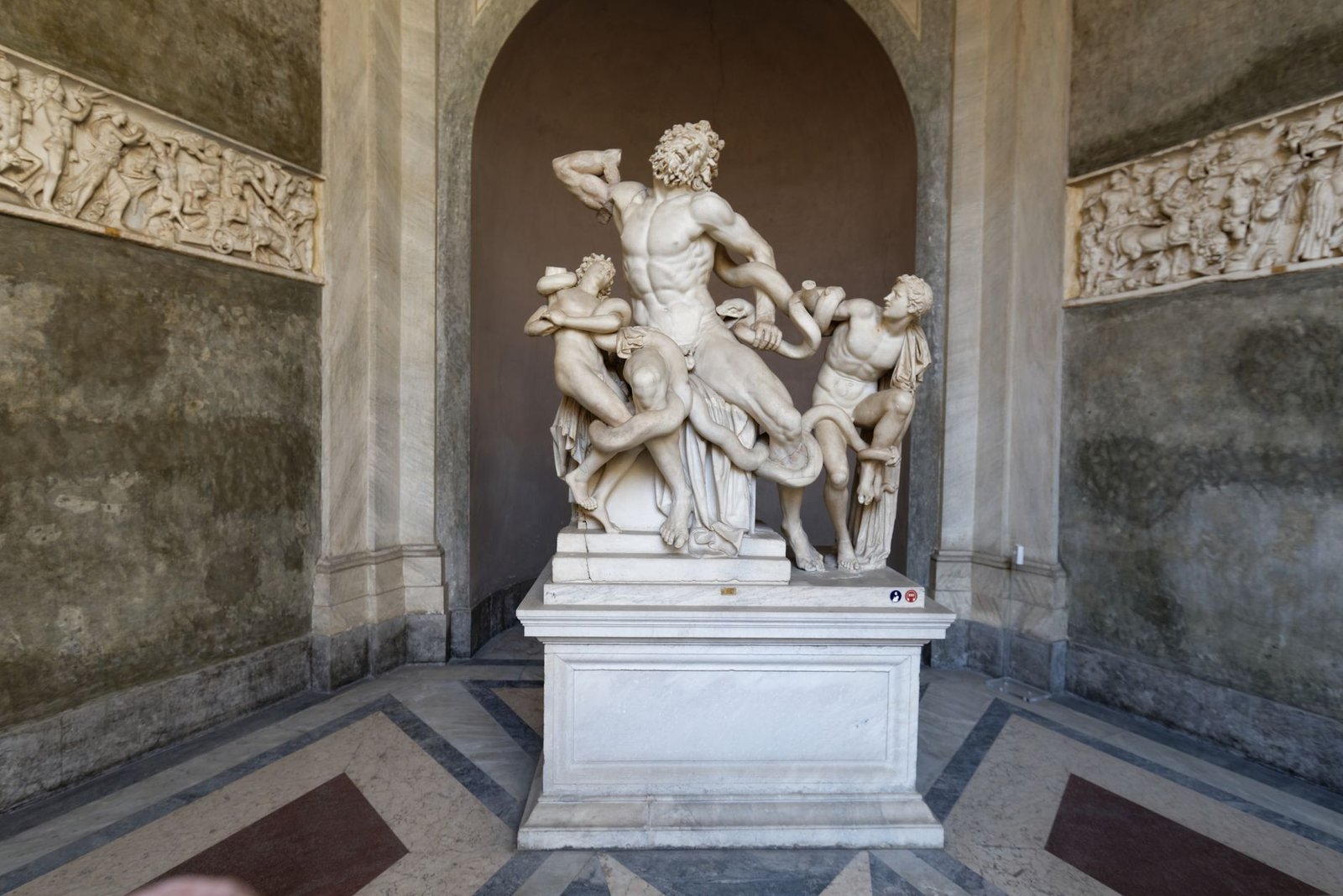
Cerberus: The Three-Headed Dog in Greek Mythology
Cerberus is the formidable watchdog of Greek mythology’s Underworld, famously guarding the threshold between the living and the dead. This encyclopedia article traces his origins, uncertain name, and enduring role in myth, art, and later culture, revealing why this terrifying guardian still captures attention today.
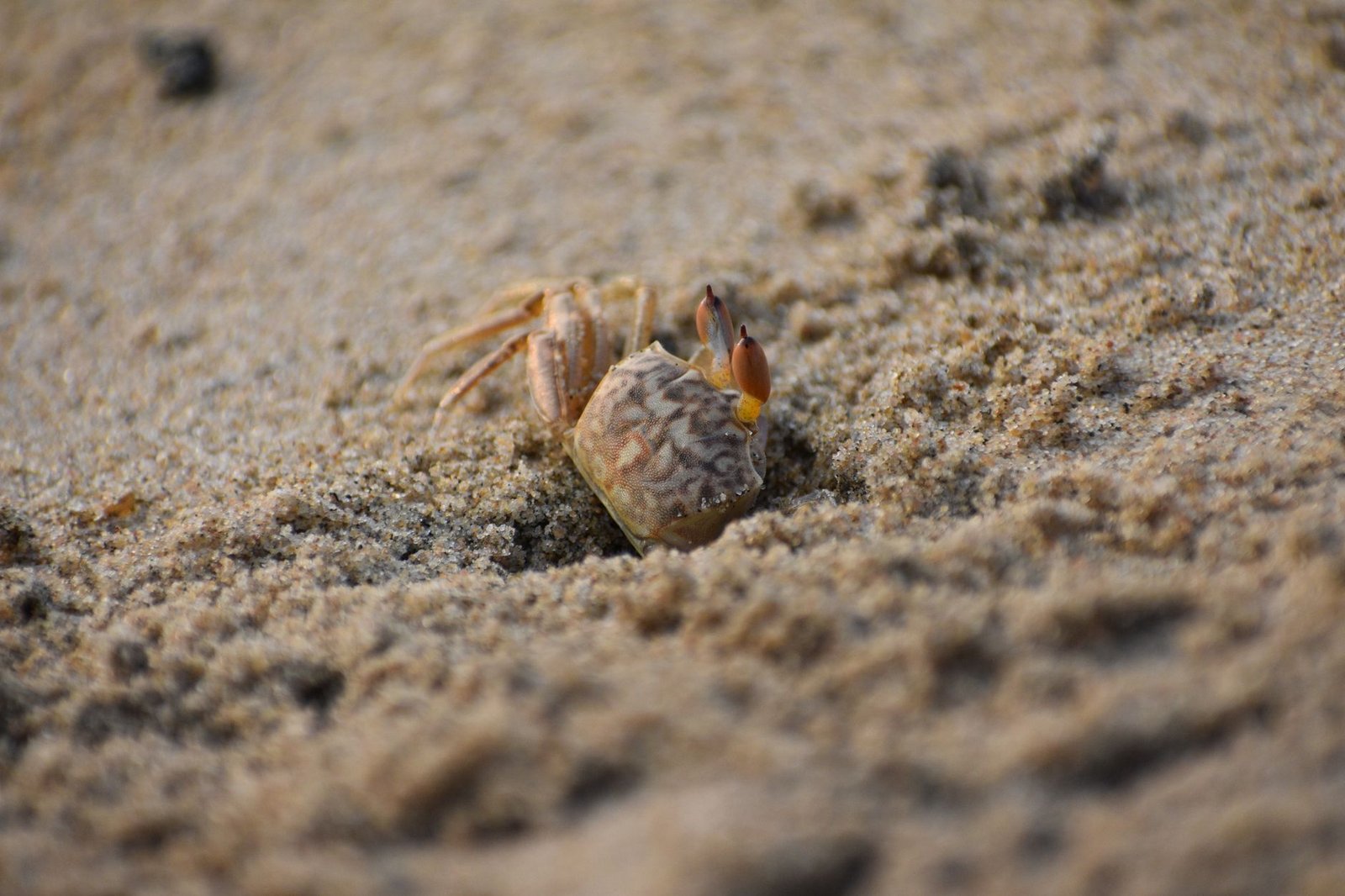
Scylla and Charybdis: Meaning, Myth, and Origins
Scylla and Charybdis are legendary monsters from Greek mythology, first set side by side in Homer’s *Odyssey* as the twin threats guarding a narrow sea passage. Their story explains the enduring phrase “between Scylla and Charybdis,” a vivid symbol of being forced to choose between two dangerous outcomes, and reveals how ancient Greeks understood risk at sea.
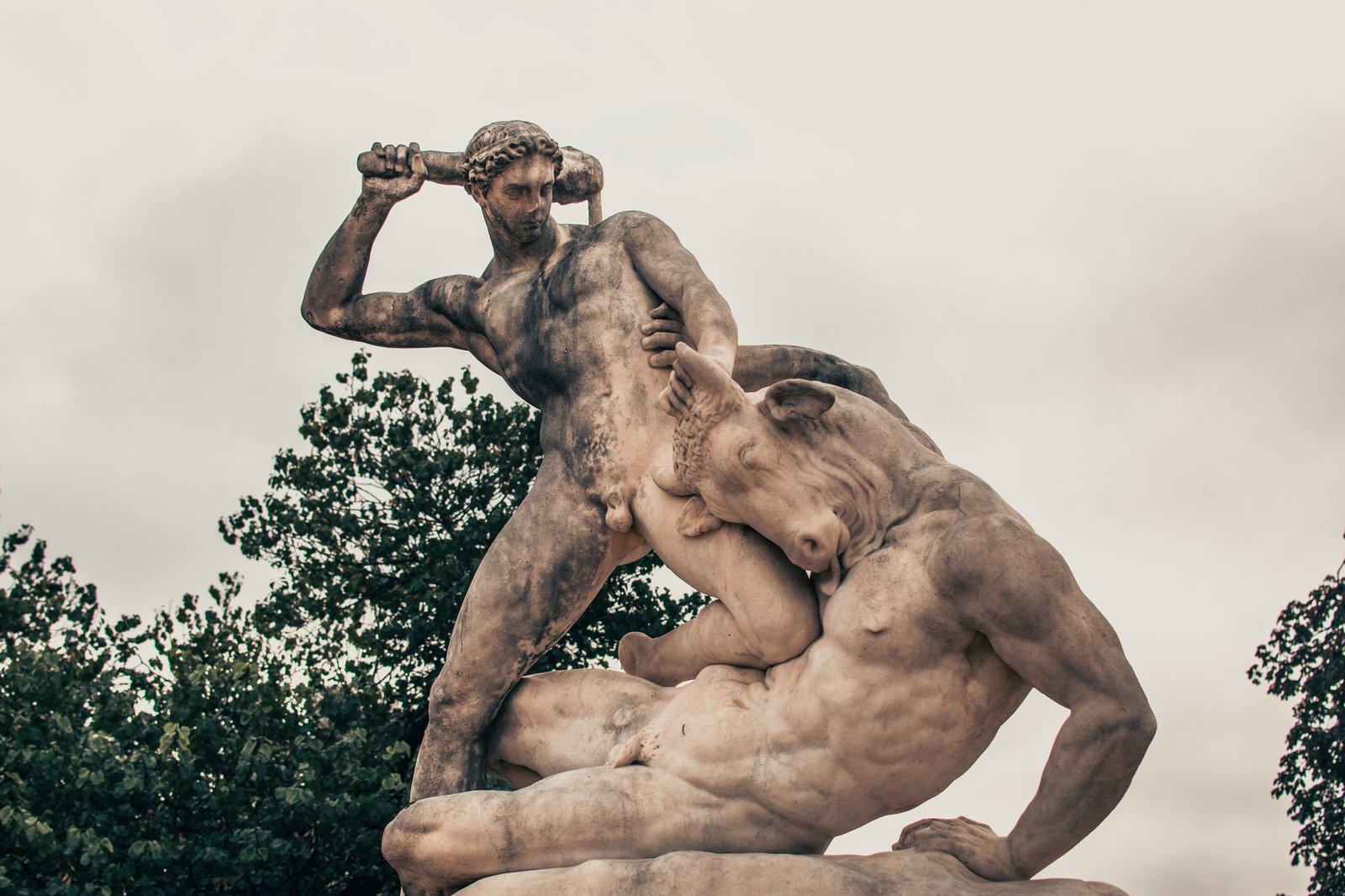
Difference Between Giants And Monsters In Greek Mythology
In Greek mythology, the difference between a giant and a monster is more than a matter of size: giants, especially the Gigantes, are a specific race tied to earth and rebellion against the gods, while monsters form a wider category of unnatural, fearsome beings. Exploring how ancient writers used these terms reveals a more subtle system of mythic classification than modern readers often expect.
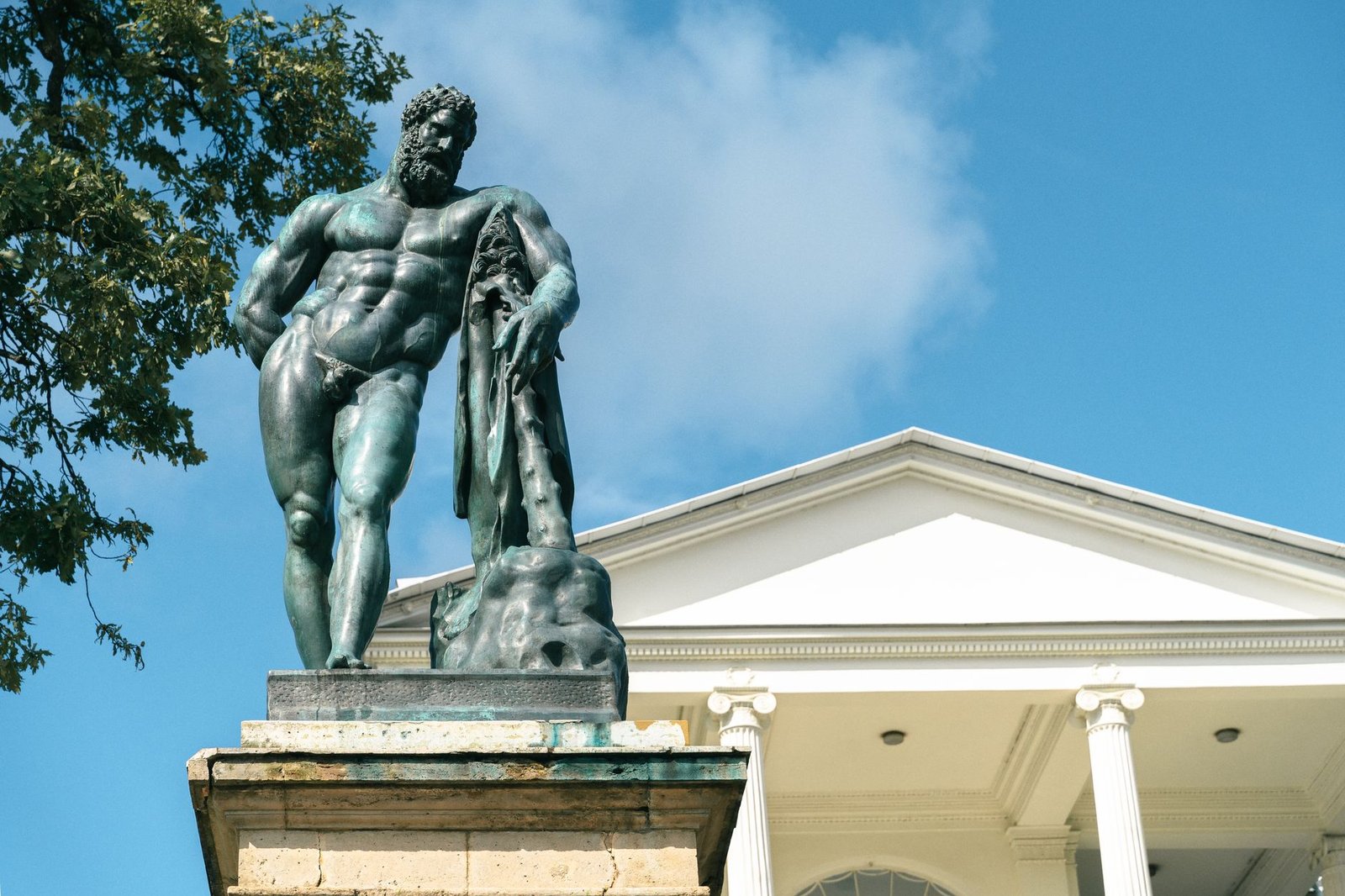
Io and Her Wanderings: Mythology and Journey Explained
Io and her wanderings is a celebrated Greek myth in which a mortal woman, transformed by divine jealousy, is driven across the world through suffering and exile. Connecting Argos, the eastern Mediterranean, and Egypt, the story reveals how ancient writers used Io’s journey to explain geography, cult, and the enduring tension between gods and mortals.
Cadmus and the Founding of Thebes in Greek Mythology
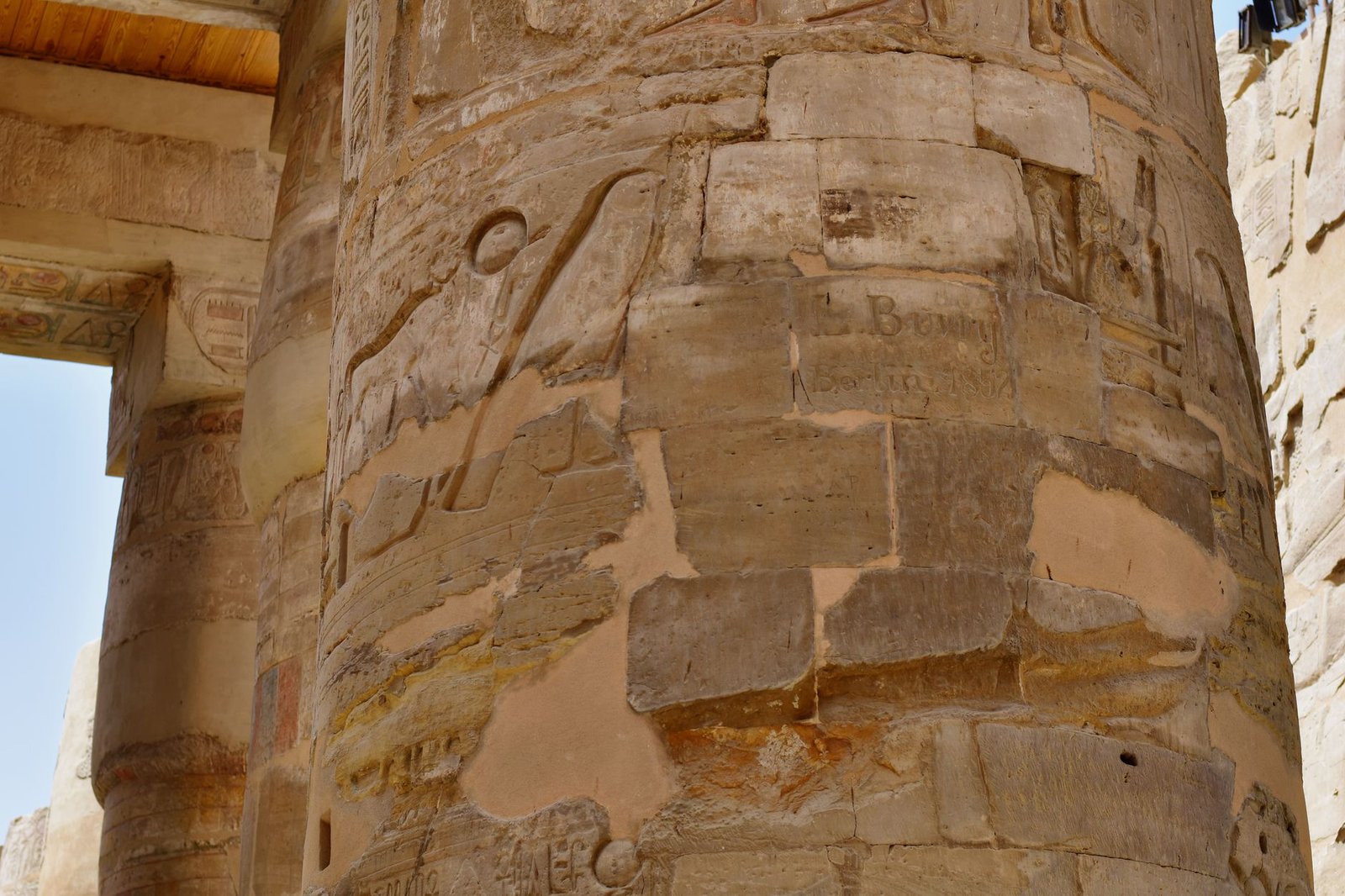
Cadmus and the founding of Thebes lies at the heart of one of Greek mythology’s most enduring foundation stories, in which a Phoenician prince becomes the legendary builder of a major Boeotian city. His quest, the dragon he defeats, and the divine and dynastic consequences that follow reveal how the myth explains Thebes’s origins, cultural ties, and tragic royal legacy.

Orpheus and Eurydice: Greek Myth Explained
Orpheus and Eurydice is one of Greek mythology’s most haunting stories, uniting love, music, death, and the fragile hope of return from the underworld. This excerpt traces the myth’s origins, its symbolic meaning, and the decisive moment that has inspired poets, artists, and thinkers for more than two millennia.
Oedipus and the Sphinx: Greek Myth and Story
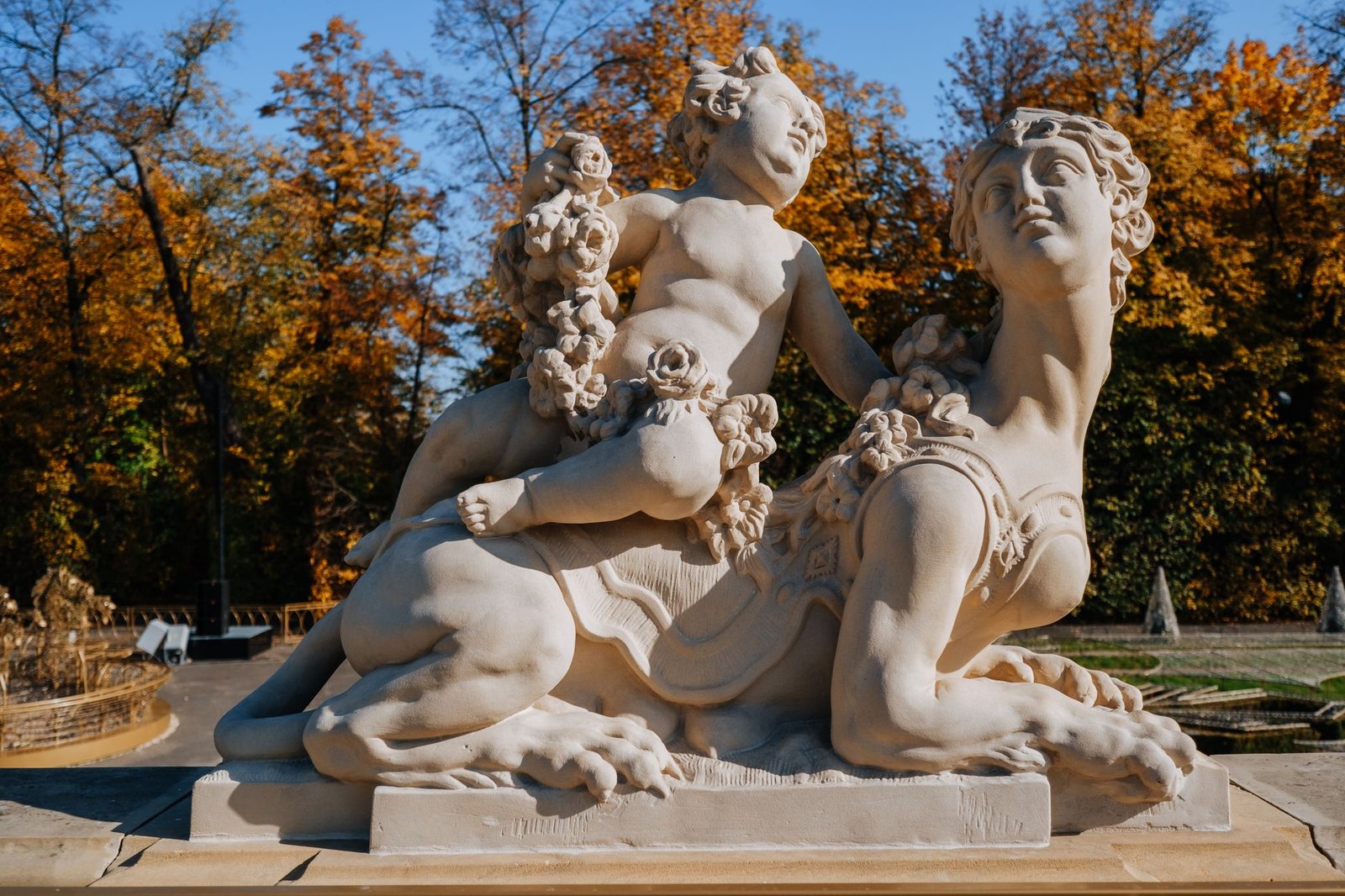
Oedipus and the Sphinx is a defining episode in Greek mythology, uniting the Theban riddle, royal succession, and the tragic irony that follows Oedipus’s triumph. This article traces the myth’s literary sources, the symbolism of the Sphinx, and the larger themes of fate, identity, and human knowledge that made the story enduring.