ancient Egyptian culture
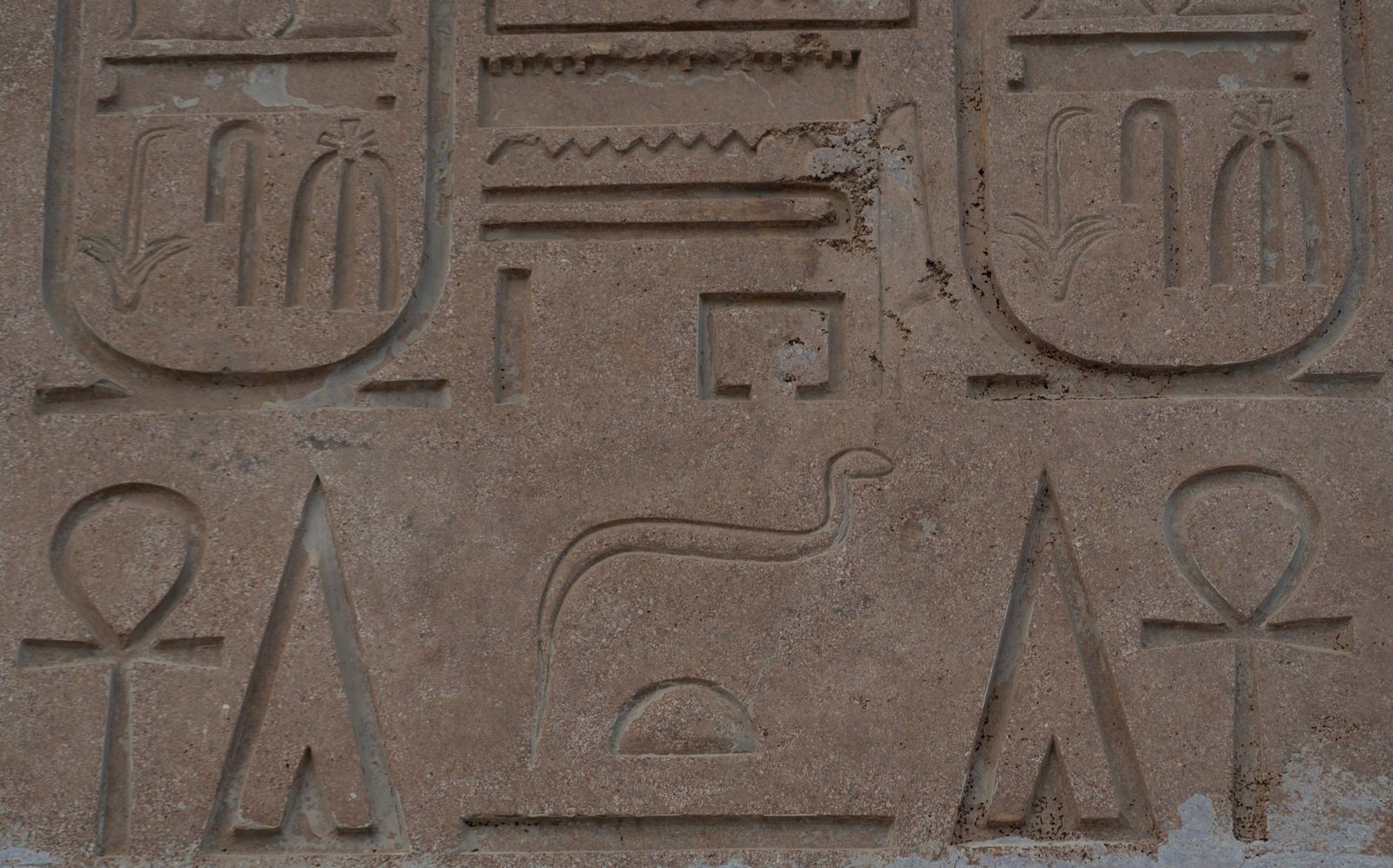
What Does the Ankh Mean in Egyptian Mythology?
The **ankh** is one of ancient Egypt’s most enduring symbols, and in Egyptian mythology it represents life, divine power, and the promise of existence beyond death. This article explores its religious meaning, its use in temple and tomb imagery, and the ways the “key of life” came to embody rebirth, authority, and immortality.
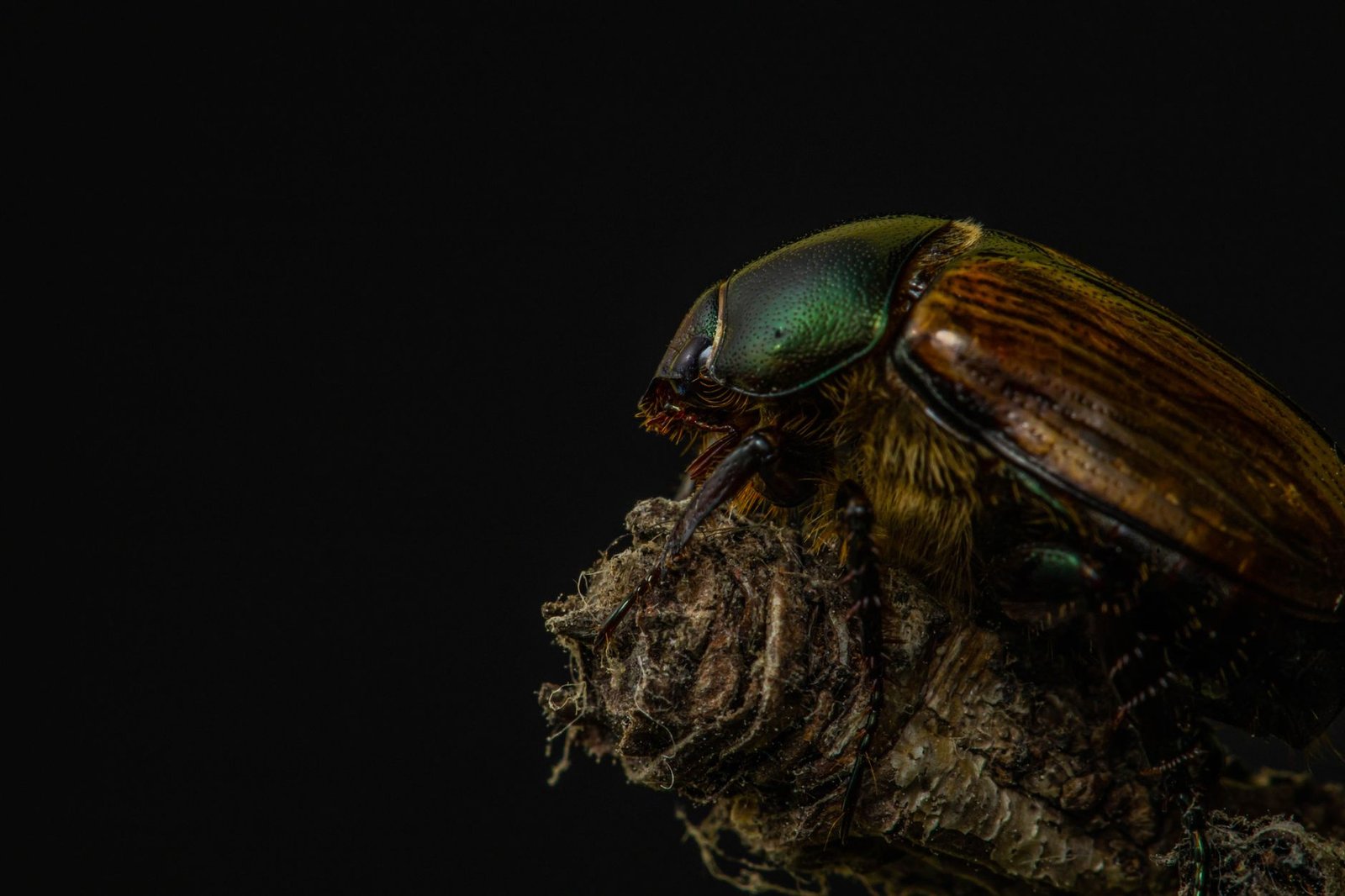
Scarab Beetle Symbolism in Egyptian Mythology Explained
In Egyptian mythology, the scarab beetle symbolizes rebirth, transformation, protection, and the daily renewal of the sun, especially through its link to the god Khepri. This excerpt explores how a simple creature became a powerful emblem of creation, the afterlife, and divine order, revealing why its image endured across temples, tombs, and amulets.
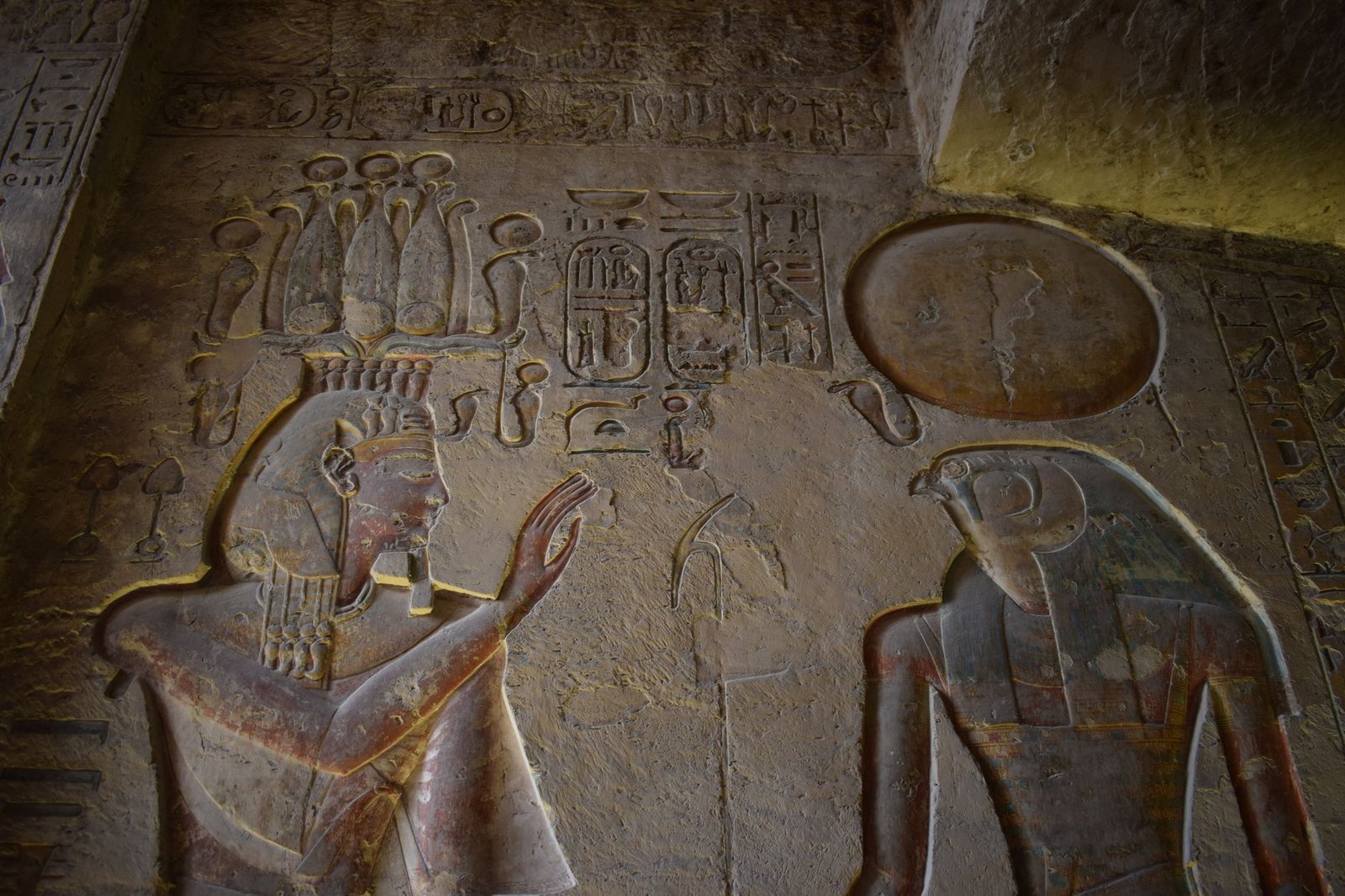
What Is the Uraeus in Egyptian Mythology?
The uraeus in Egyptian mythology is the rearing cobra emblem associated with divine authority, royal protection, and the power to repel enemies, most often linked to the goddess Wadjet and the pharaoh’s crown. Its long history in art and ritual reveals how one small image came to express legitimacy, sacred power, and the close bond between rulers and the gods.
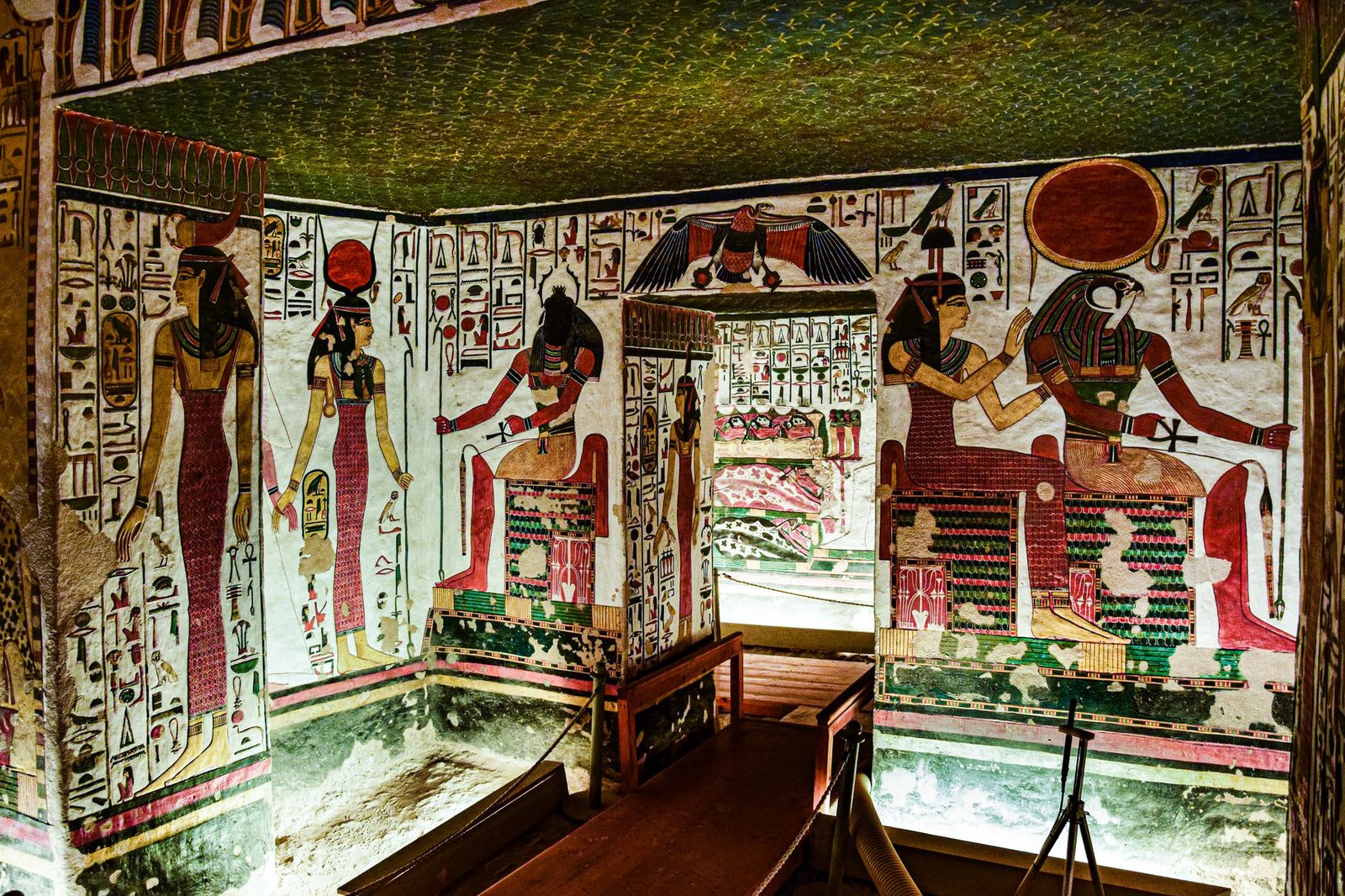
What Is the Djed Pillar in Egyptian Mythology?
The **Djed pillar** is a central symbol in Egyptian mythology, closely linked to Osiris and the ideas of stability, endurance, and renewal. This brief overview explores its uncertain origins, ritual uses, and deeper meaning in funerary belief, revealing why the emblem remained vital to ancient Egyptian religious life.
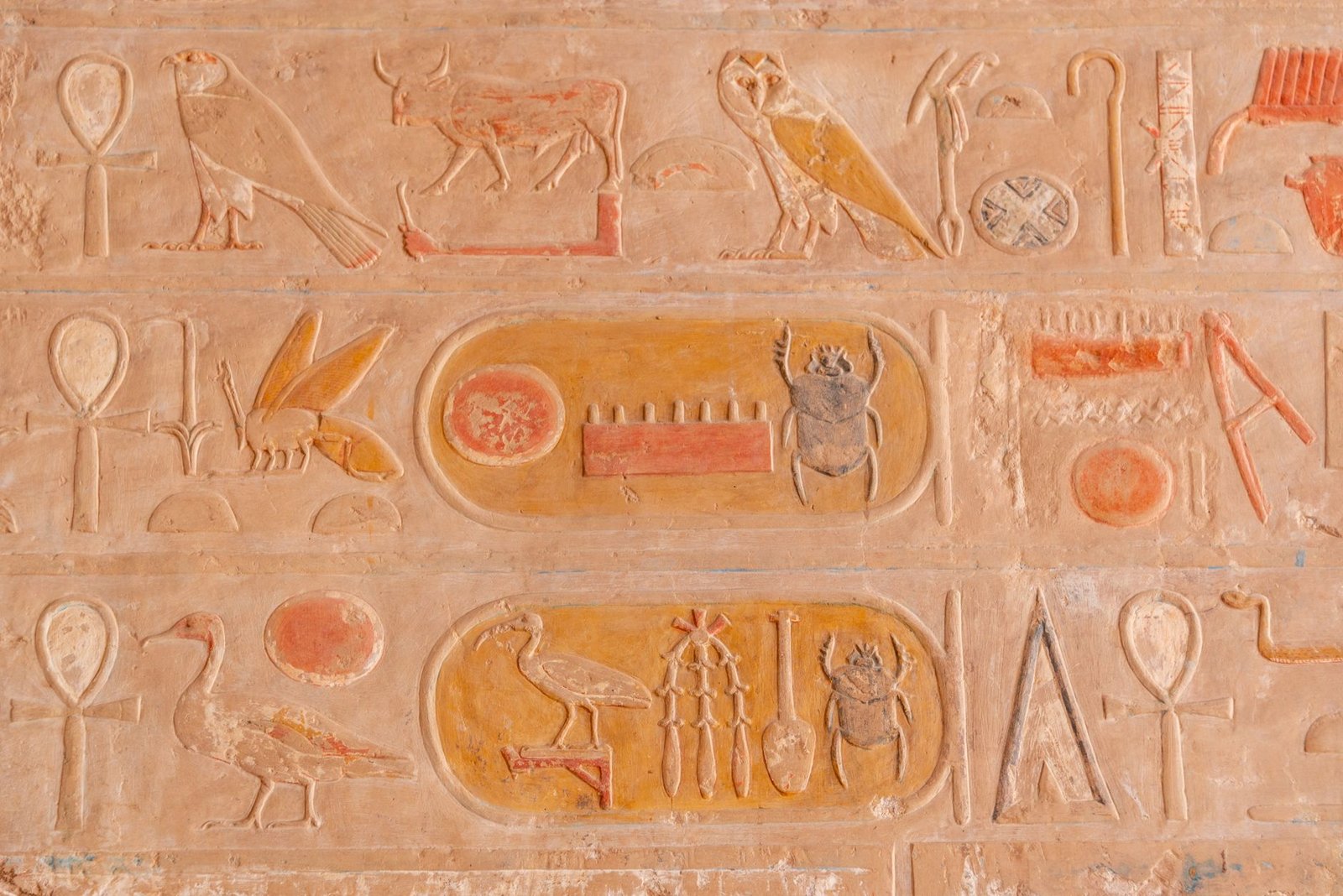
What Does the Sedge Plant Symbolize in Egyptian Mythology?
In Egyptian mythology, the sedge plant symbolizes Upper Egypt, kingship, and the king’s rightful authority, appearing most famously beside the bee in the emblem of unified rule. This article explores how such a simple plant became a powerful sign of political legitimacy, order, and the sacred geography of ancient Egypt.

Winged Sun Disk in Egyptian Mythology: Meaning and Symbolism
The winged sun disk is a major symbol in Egyptian mythology, combining the solar disk, outspread wings, and often protective serpents to express divine power, kingship, and cosmic order. Closely associated with Horus and Ra, it appears across temples, monuments, and sacred objects, revealing how one image could carry layered religious meaning.
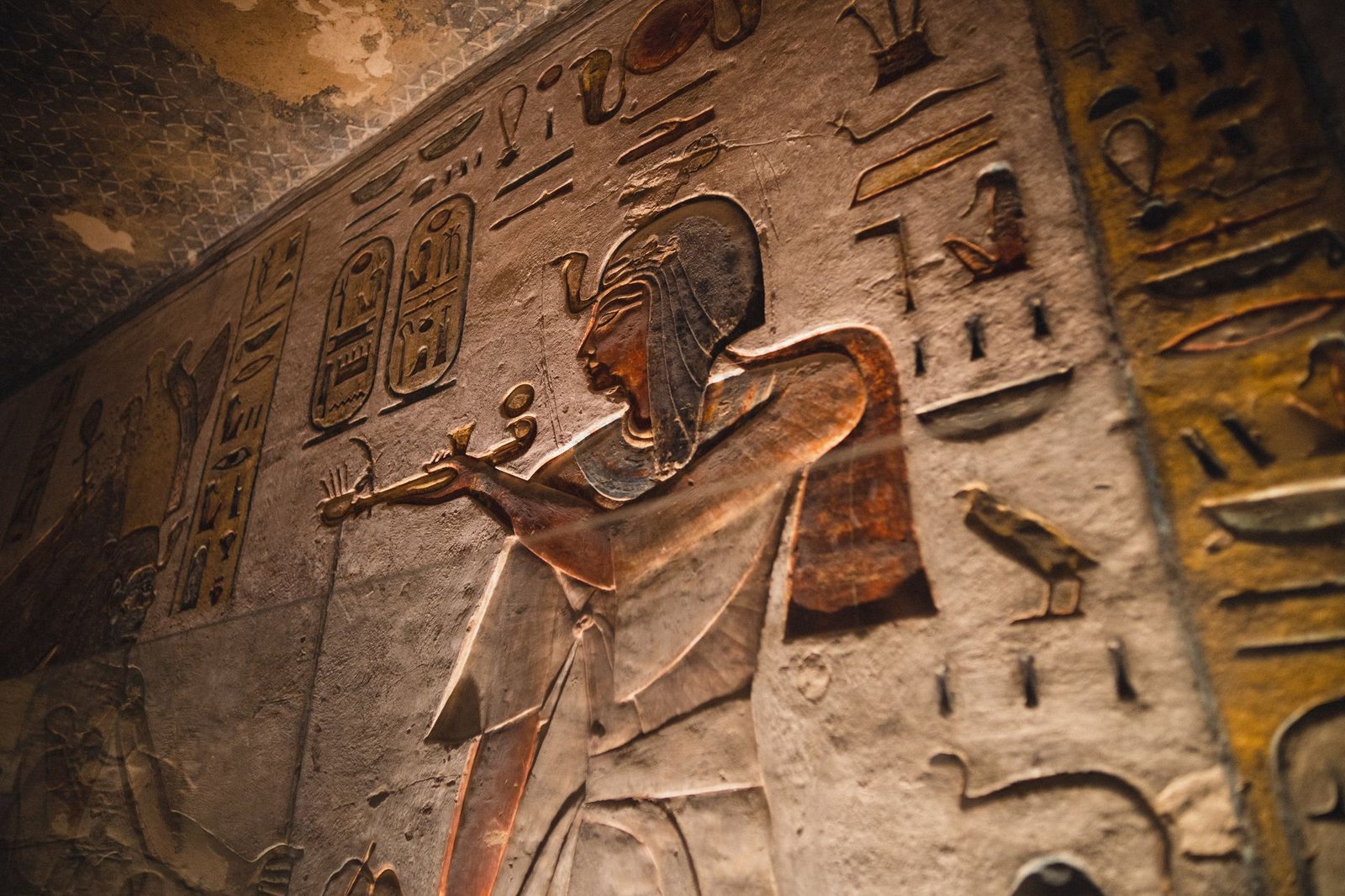
What Is the Ba in Egyptian Mythology? Definition and Meaning
The ba in Egyptian mythology was a vital aspect of identity, often translated as “soul” but better understood as a mobile force that linked a person to life, death, and the afterlife. Its role in funerary texts, temple belief, and ancient symbolism reveals a far more complex view of the self than modern readers might expect.
Menat Necklace in Egyptian Mythology: Meaning and Symbolism
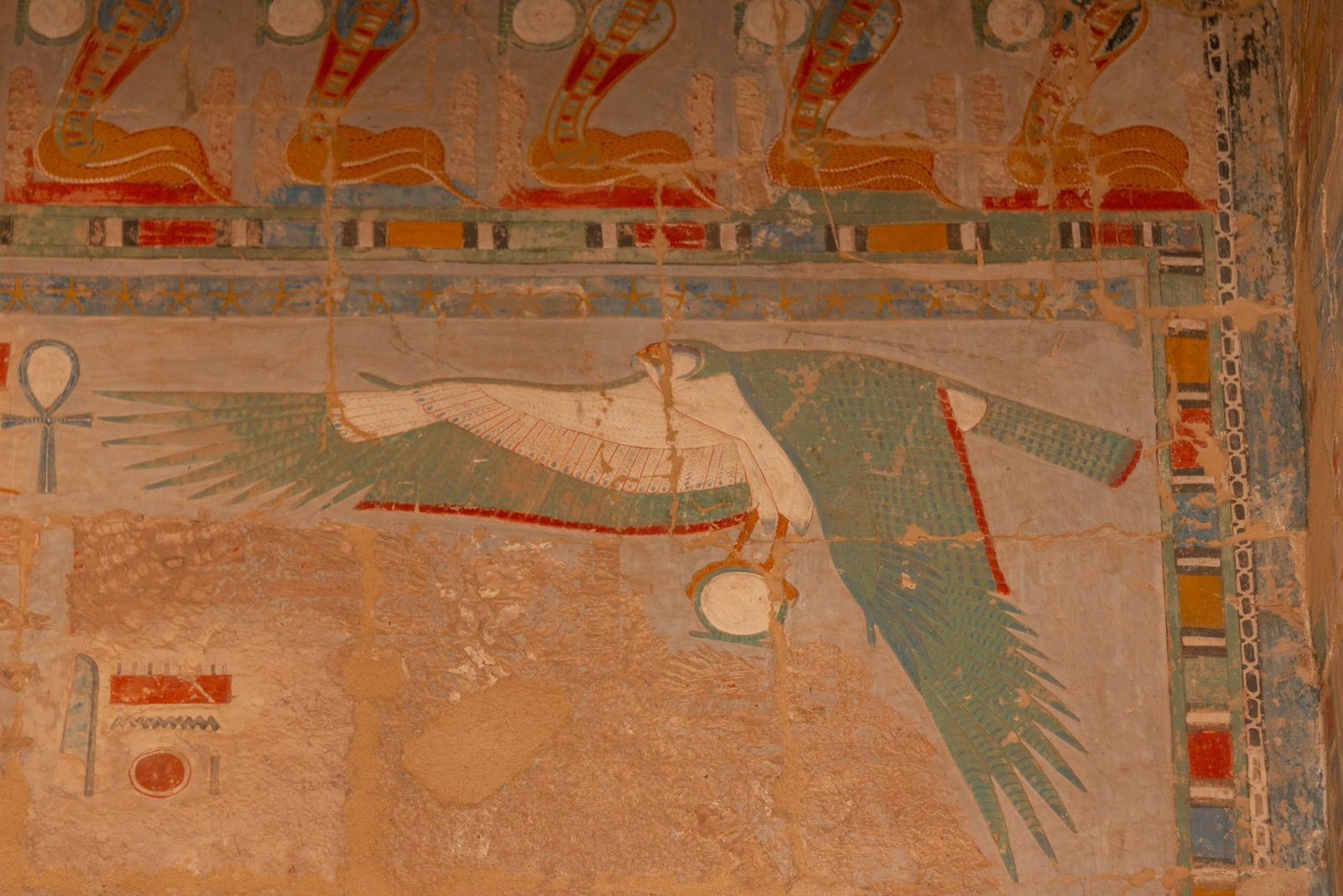
The menat necklace in Egyptian mythology was far more than ornament: it was a sacred ritual object linked to Hathor, Isis, fertility, protection, and divine nourishment. This excerpt explores its origins, symbolic meanings, and ceremonial uses, revealing why the menat remains essential to understanding ancient Egyptian religion.
Who Is Seshat in Egyptian Mythology? History and Meaning
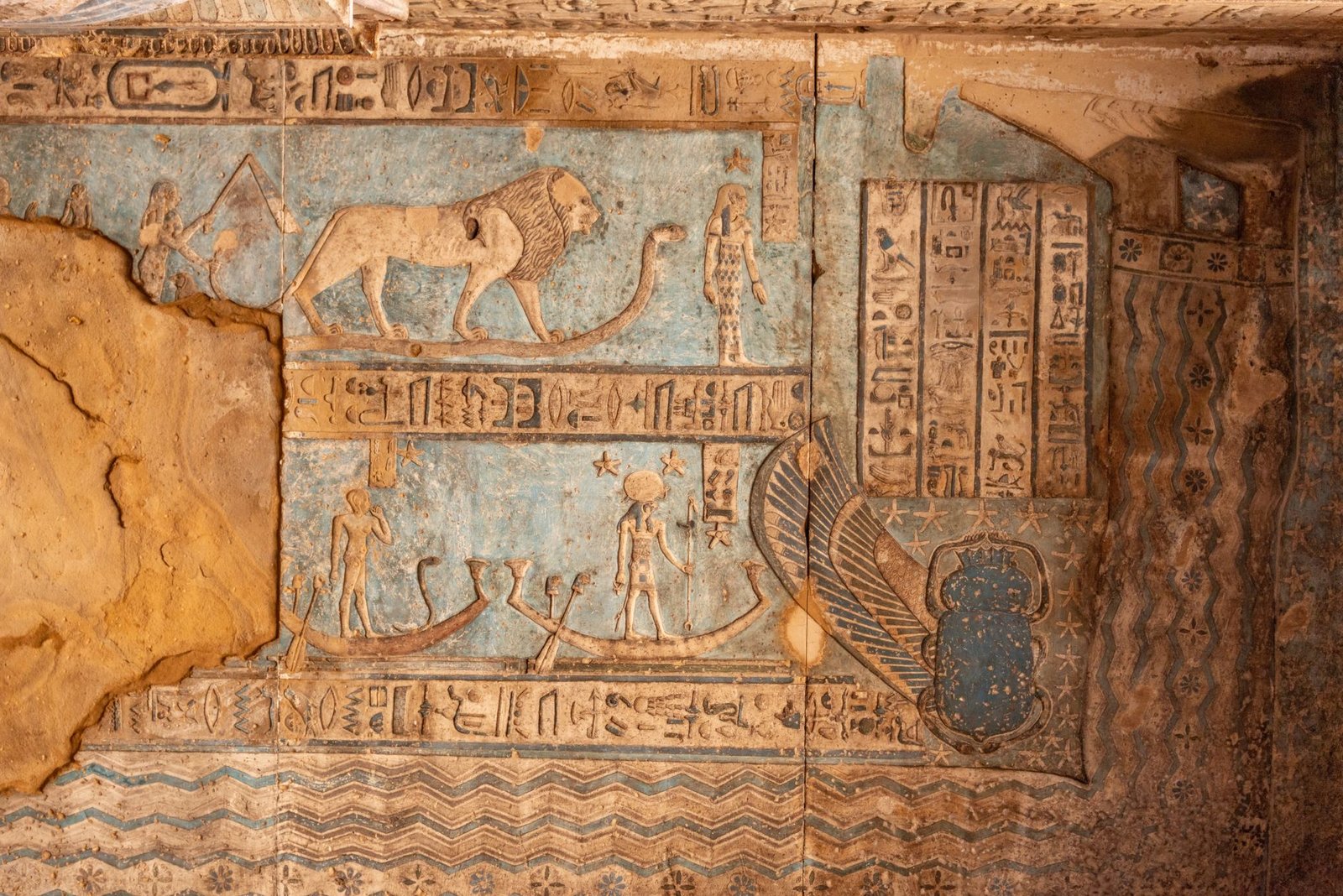
Seshat in Egyptian mythology was the goddess of writing, measurement, record-keeping, and sacred knowledge, a specialized deity whose influence shaped both temple ritual and royal administration. Often called the “Female Scribe,” she reveals how the ancient Egyptians linked literacy, surveying, and cosmic order—and why her role deserves closer study.
Who Is Wadjet in Egyptian Mythology? Meaning and Role
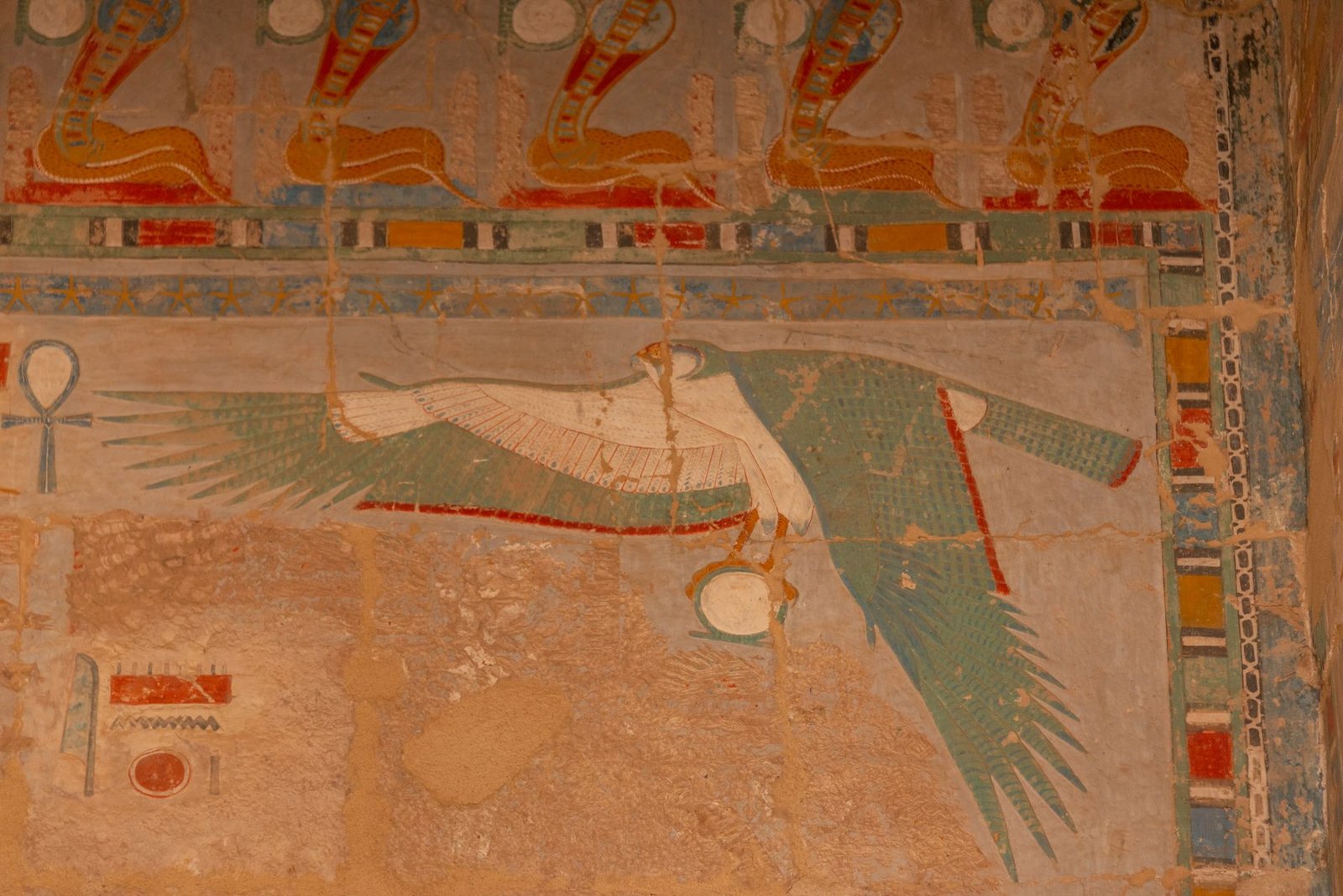
Wadjet is a major goddess in Egyptian mythology, revered as a cobra deity of protection, kingship, and the Nile Delta, and prominently shown as the uraeus on the pharaoh’s brow. Her cult, linked to Buto and the unification of the Two Lands, reveals how a local guardian became a lasting emblem of divine authority and royal power.