Ancient Greece
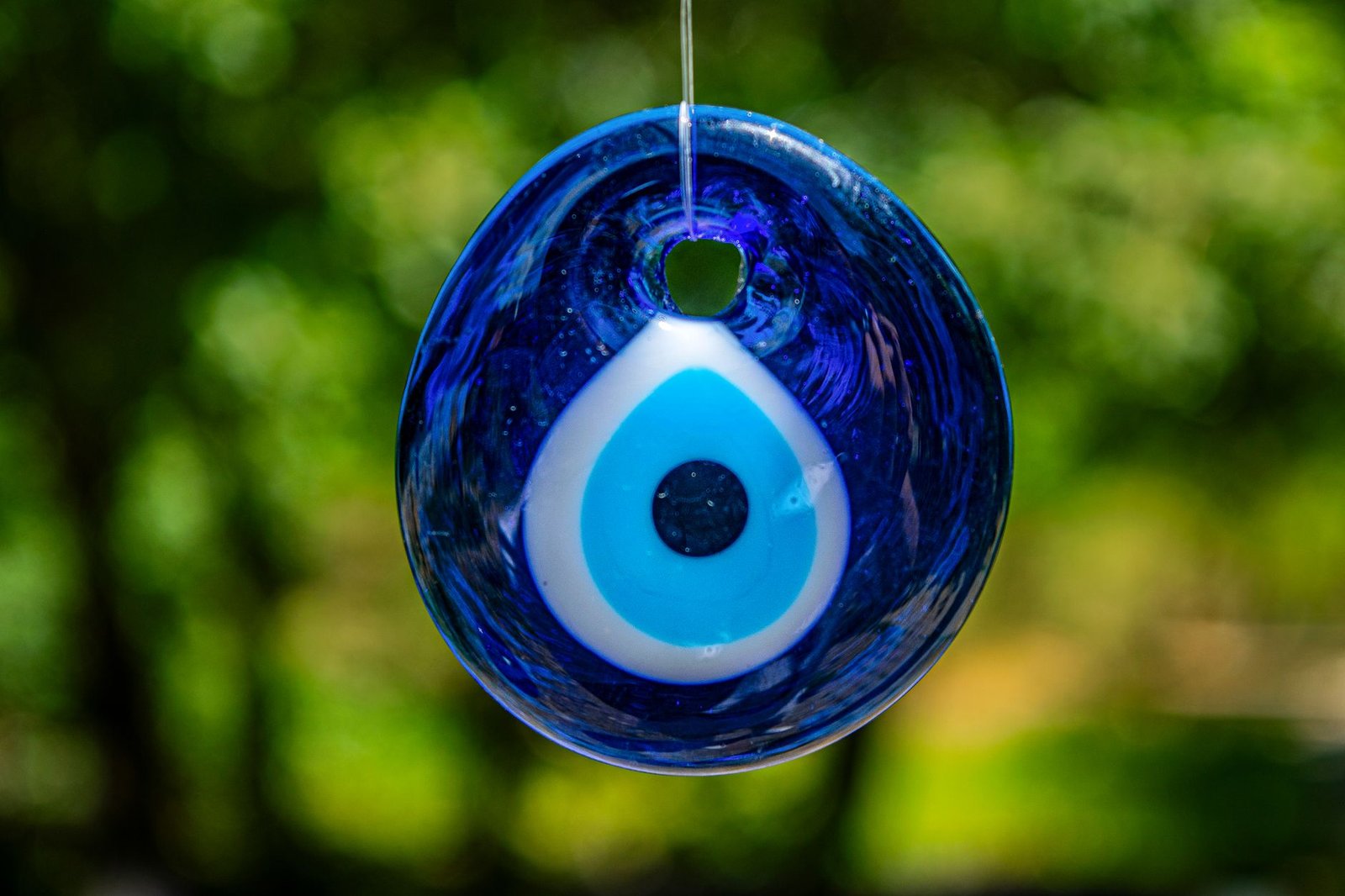
Is the Greek Eye (Mati) Part of Greek Mythology?
The Greek eye, or mati, is widely recognized in Greek culture as a protective charm against envy and misfortune, yet it does not belong to Greek mythology in the strict sense. Rooted in ancient folk belief and Mediterranean tradition, it reflects a long history of ideas about the harmful gaze—an origin that invites closer examination of its meaning and evolution.
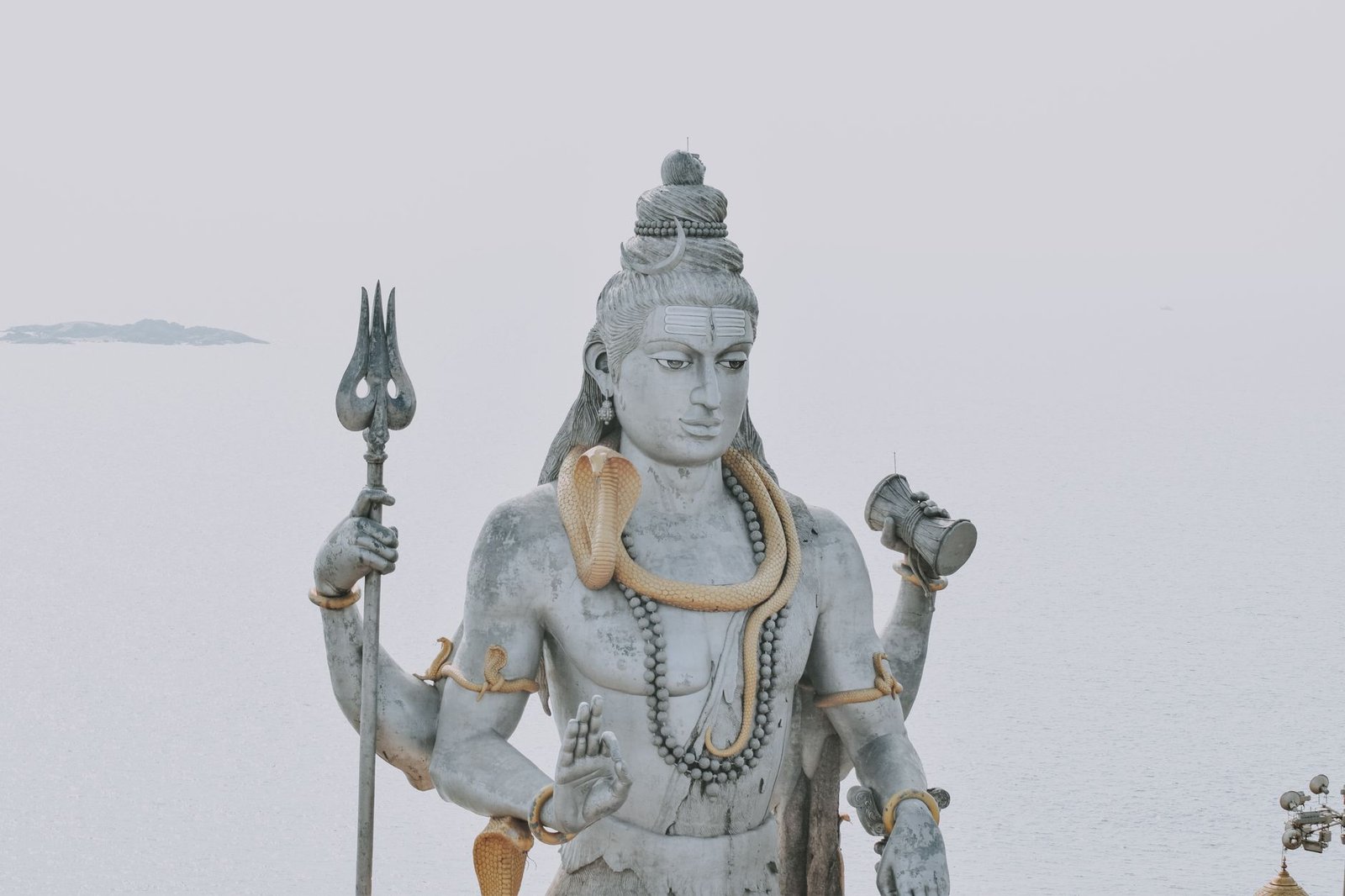
Why Do Gods Have Their Own Symbols? Meaning Explained
Across world mythologies, the question of why does every god have their own symbols reveals how ancient cultures made the divine visible, memorable, and distinct. From thunderbolts and tridents to lotuses and swords, these signs encoded a god’s powers, role, and identity while shaping worship, art, and storytelling.
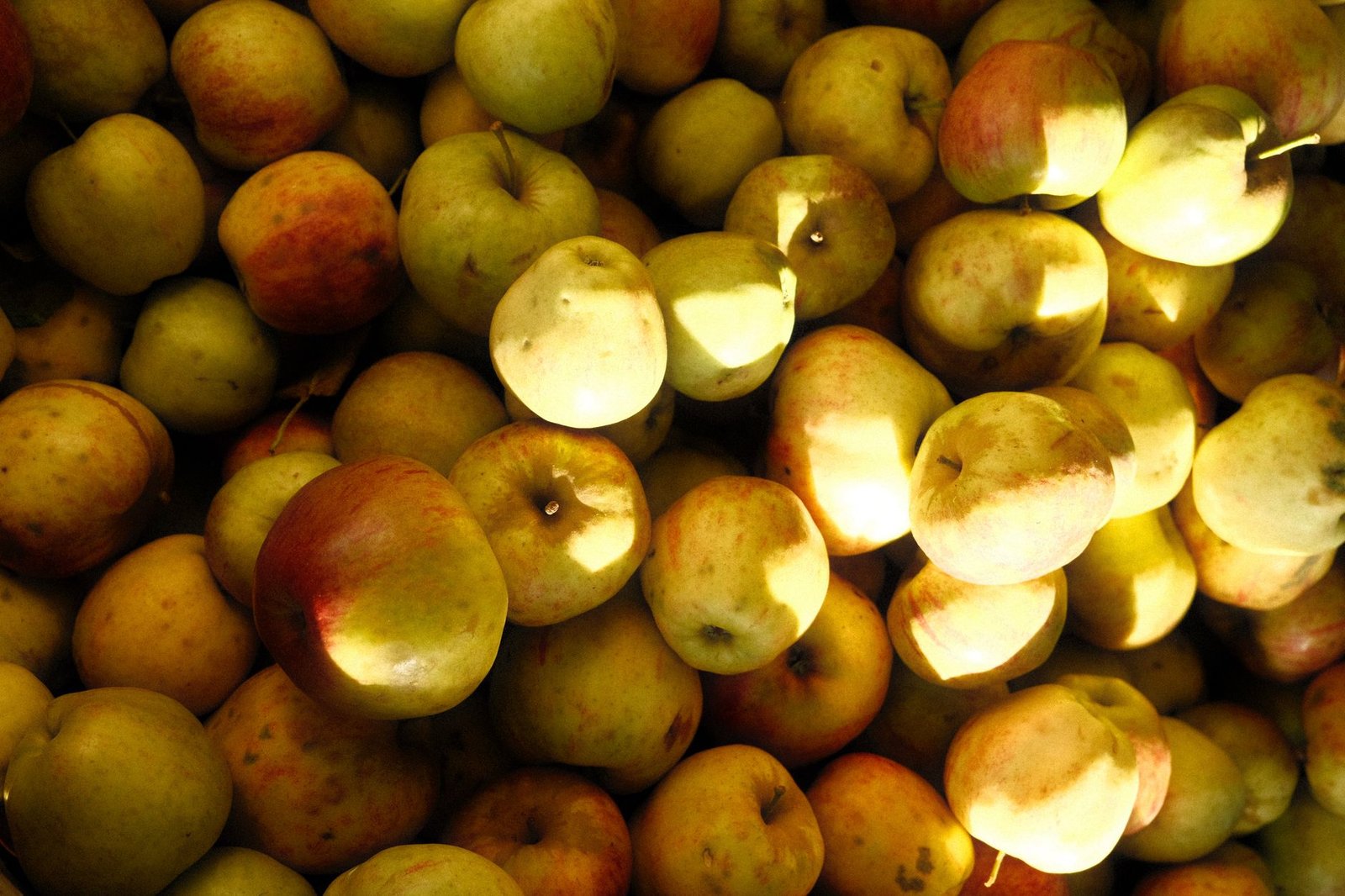
Golden Apple of Discord vs. Golden Apples of the Hesperides
The phrase Golden Apple of Discord vs Golden Apples of the Hesperides distinguishes two famous Greek myths that share a symbol but not a meaning. One apple ignited the chain of events leading to the Trojan War, while the other belonged to a guarded western paradise and the heroic labor of Heracles, revealing how a single image can signify strife, desire, and divine reward.
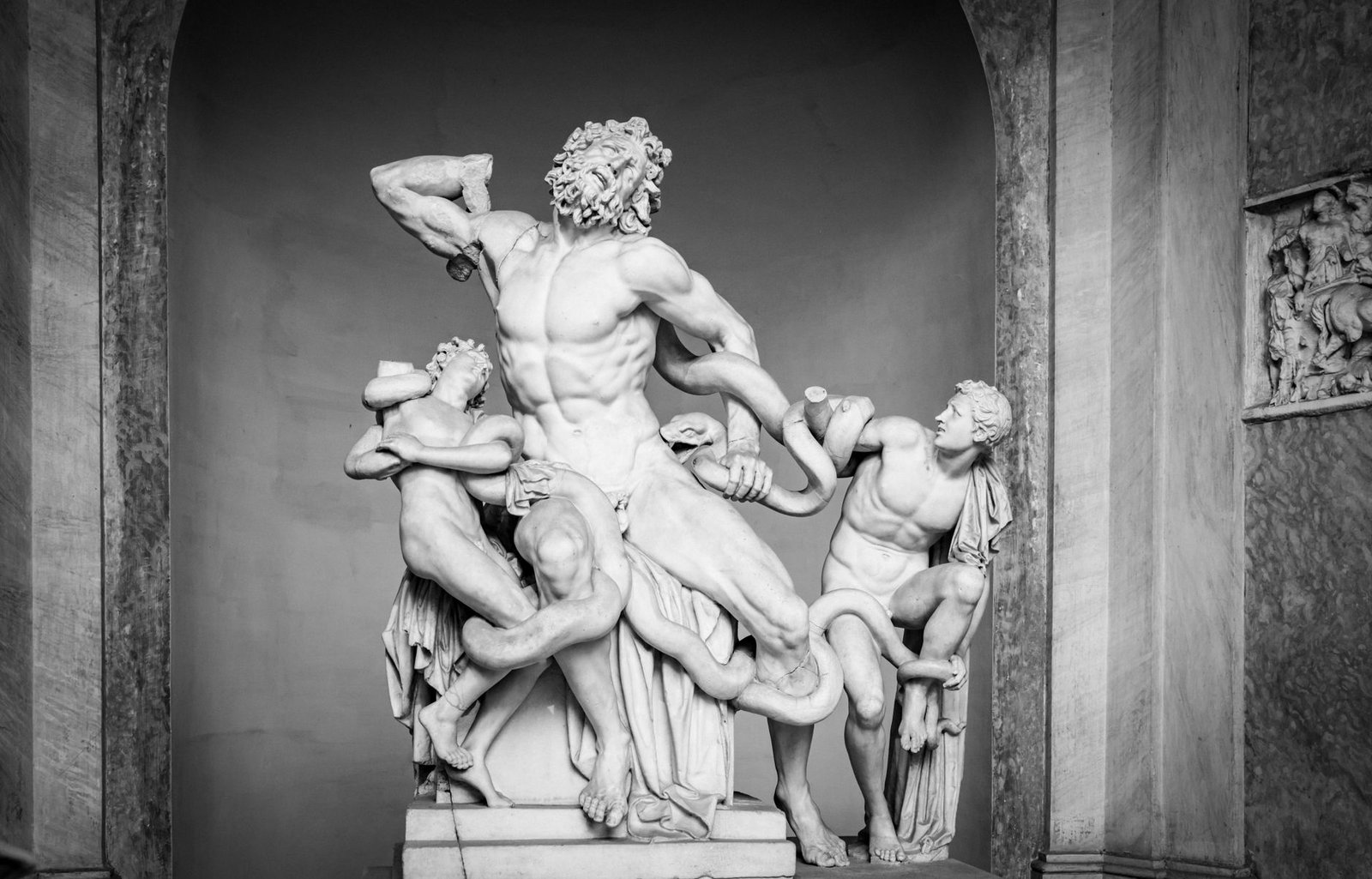
Echidna: Facts, Characteristics, and Habitat Guide
Echidna is a central figure in Greek mythology, a serpentine monster often called the “Mother of Monsters” because so many famous creatures trace their lineage to her. Part woman and part serpent, she embodies the boundary between beauty and terror, and her origins, meanings, and descendants reveal how deeply she shaped the mythic world of ancient Greece.

Lernaean Hydra: Greek Mythology’s Many-Headed Serpent
The Lernaean Hydra is a central figure in Greek mythology, remembered as a many-headed serpent of the marshes of Lerna and a formidable foe of Heracles. Its ability to regenerate heads has made it a lasting symbol of recurring, difficult-to-eradicate problems, while its ancient origins and varied depictions invite closer study.
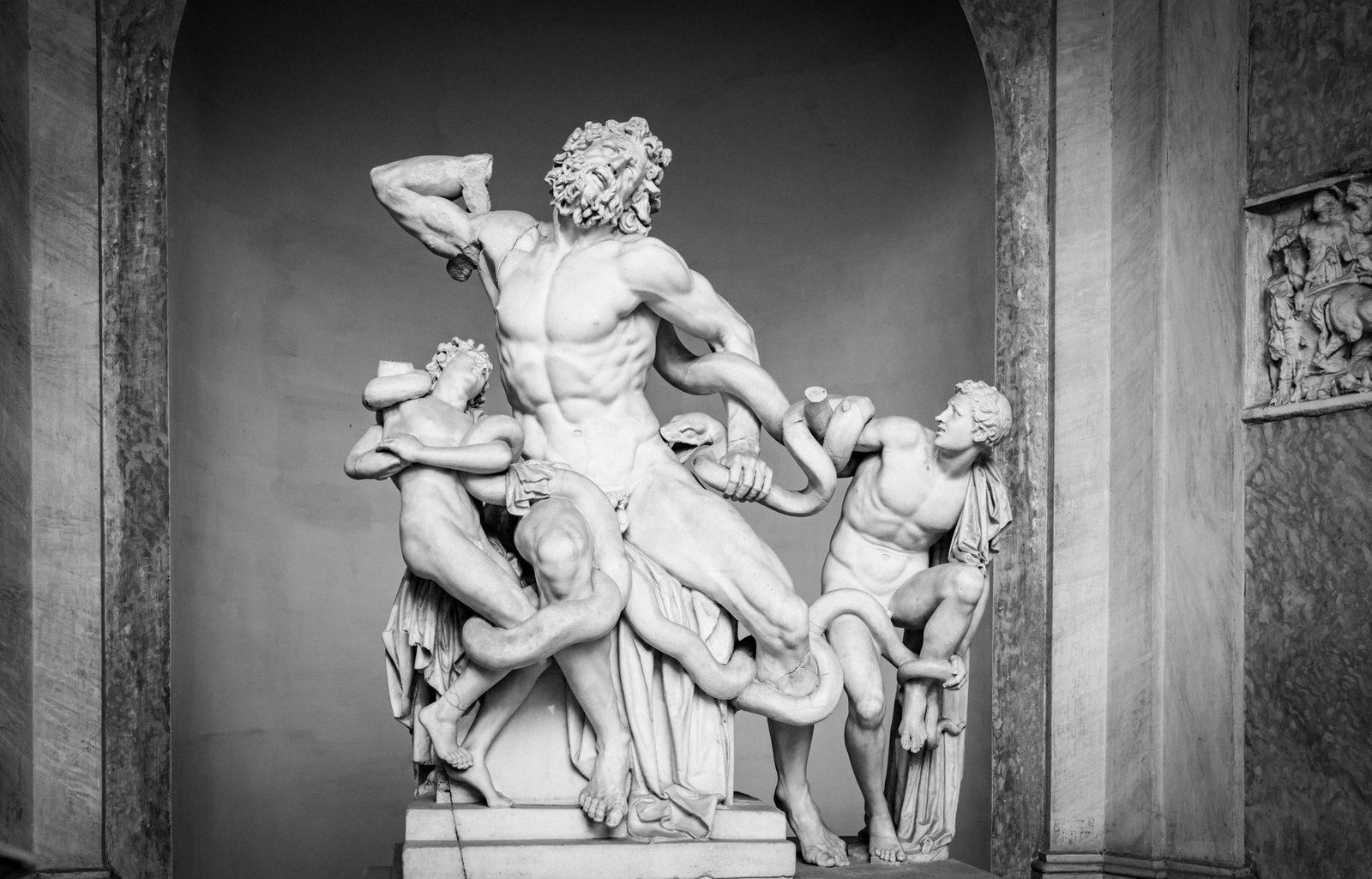
Typhon: Greek Mythology’s Monster of Chaos
Typhon is a central figure in Greek mythology, remembered as a terrifying embodiment of chaos, fire, and rebellion against divine order. This excerpt traces his uncertain origins, shifting ancient descriptions, and lasting influence on later literature and art, revealing why Typhon remains one of antiquity’s most enduring monsters.
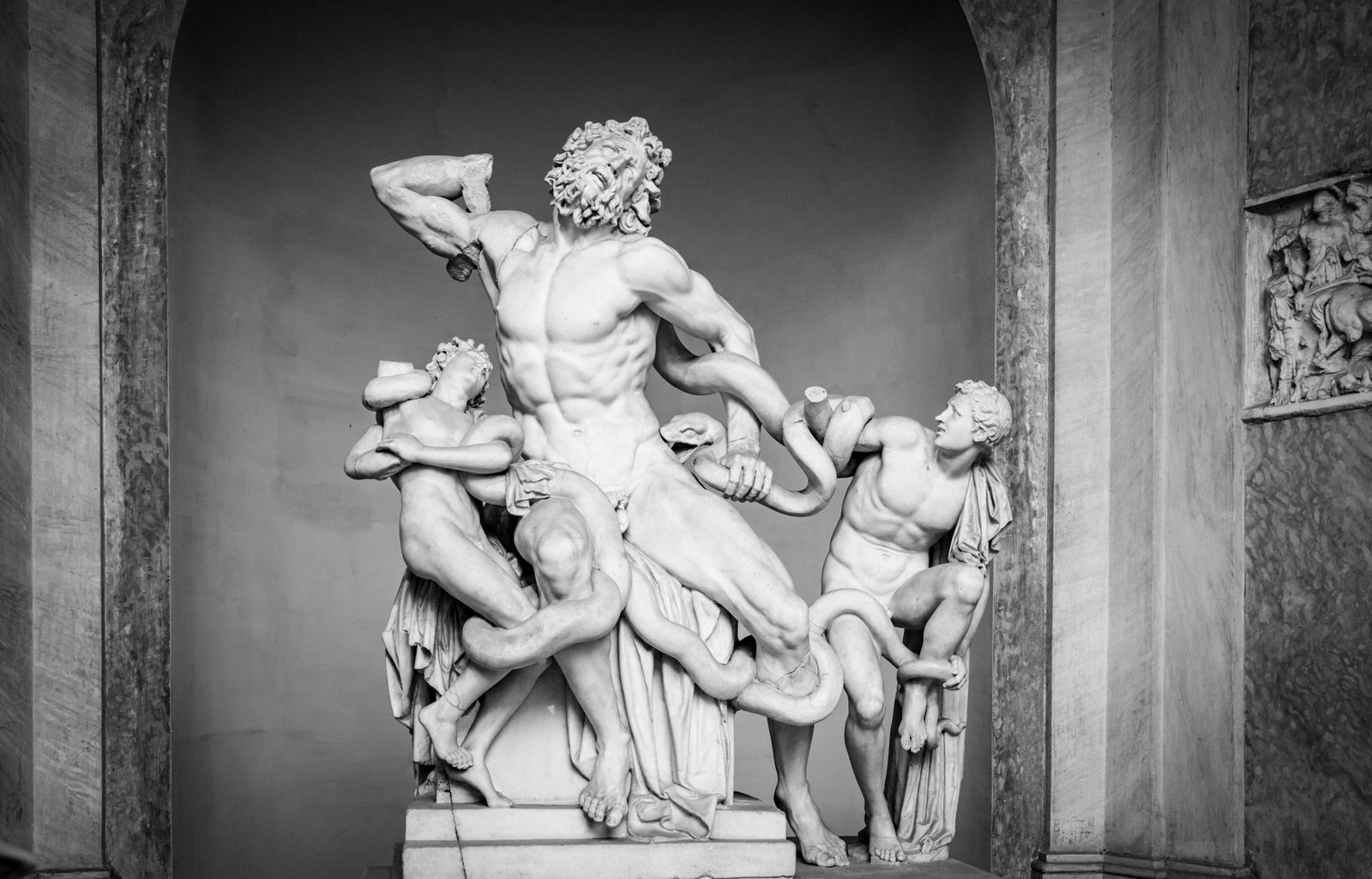
Chimera: Definition, Mythology, and Symbolism
The Chimera is a celebrated figure in Greek mythology, a fire-breathing hybrid usually described as part lion, part goat, and part serpent. Beyond its terrifying appearance, the creature became a lasting symbol of unnatural mixture, shaping words, myths, and even scientific terminology in ways that reveal its enduring cultural reach.
Cerberus: The Three-Headed Dog in Greek Mythology
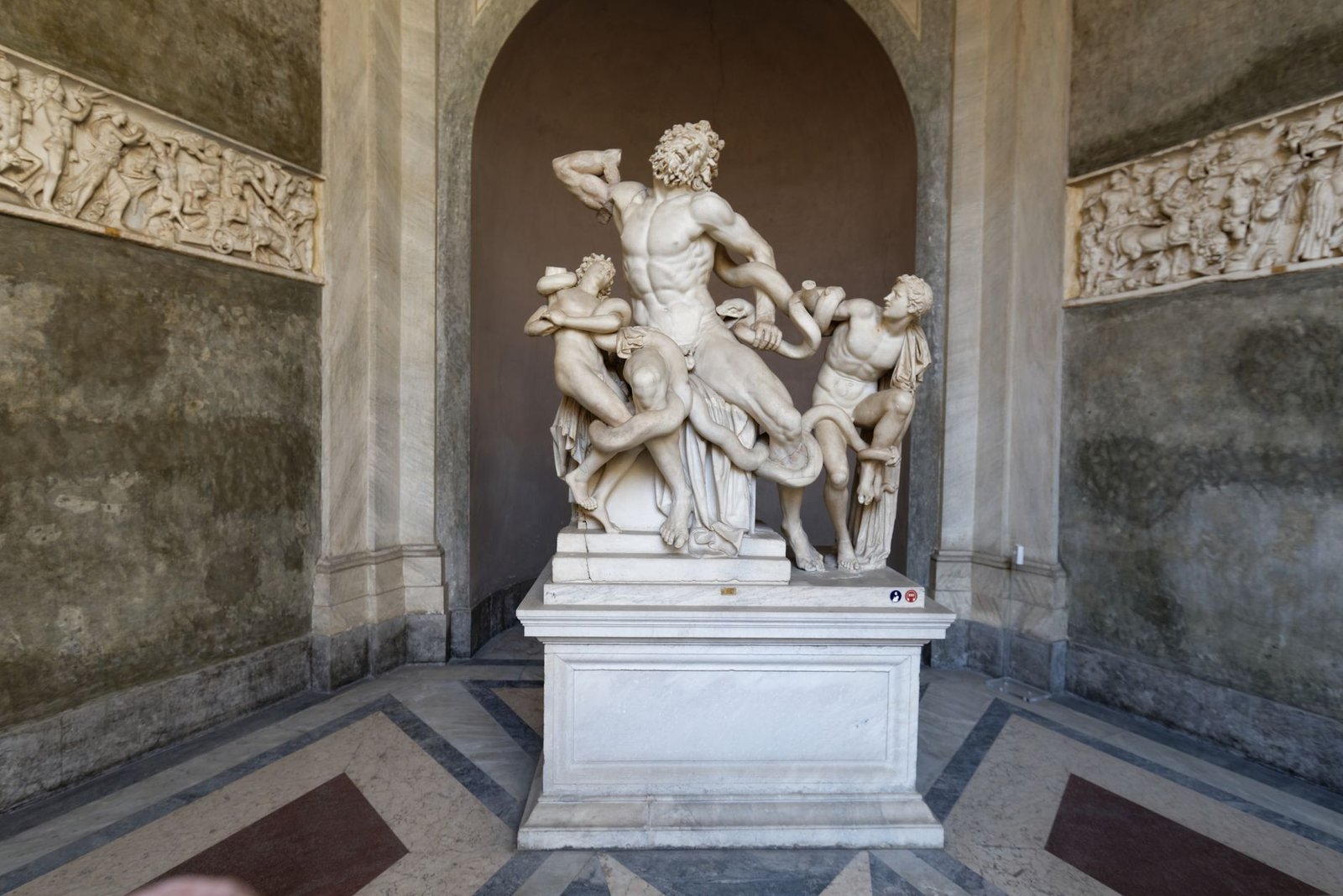
Cerberus is the formidable watchdog of Greek mythology’s Underworld, famously guarding the threshold between the living and the dead. This encyclopedia article traces his origins, uncertain name, and enduring role in myth, art, and later culture, revealing why this terrifying guardian still captures attention today.
Nemean Lion: Greek Mythology, History, and Symbolism
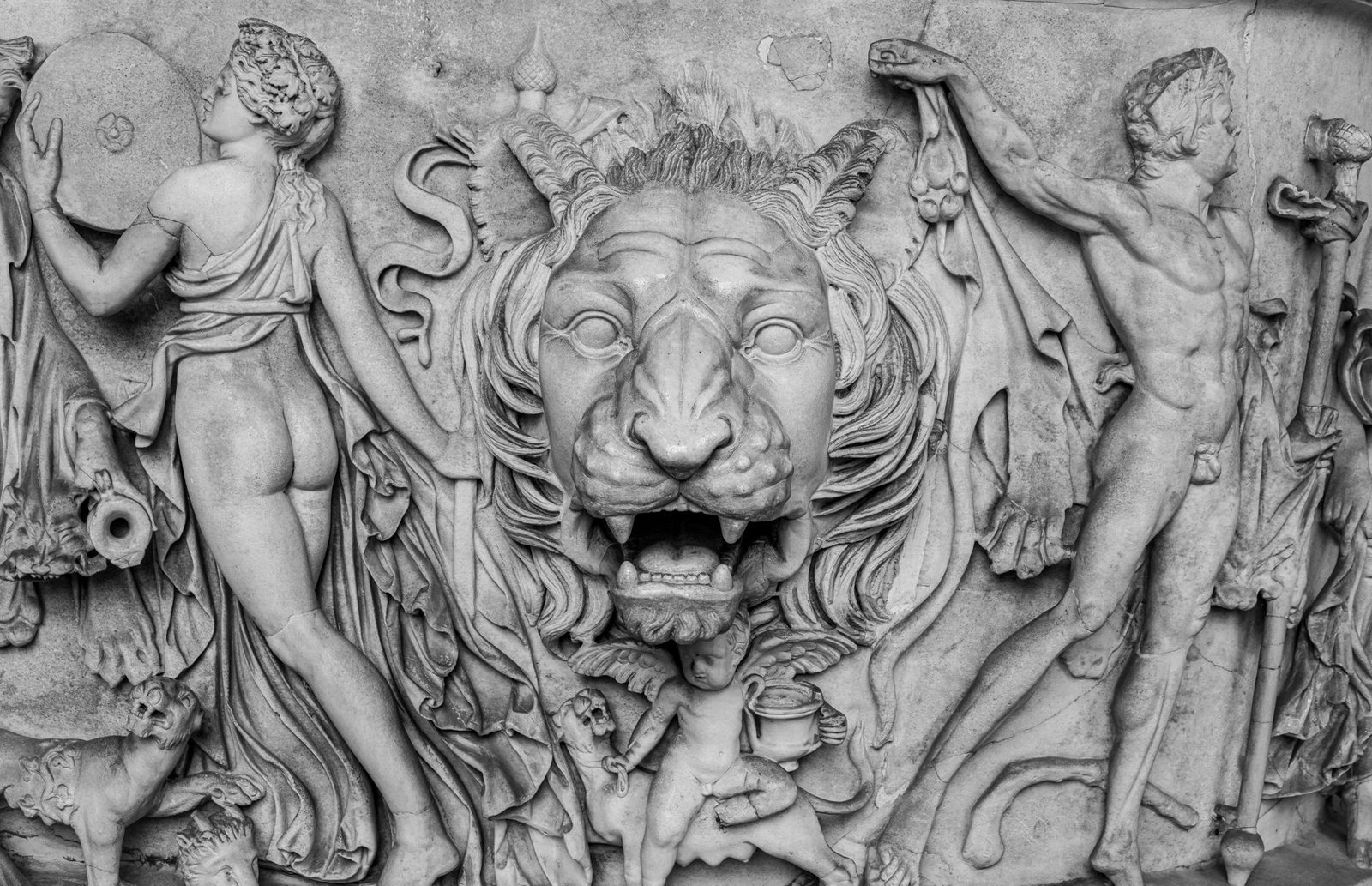
The **Nemean Lion** is among the most enduring figures in Greek mythology, best known as the first labor of Heracles and the invulnerable beast that haunted Nemea until the hero subdued it by hand. Its story links myth, ritual, and artistic tradition, revealing why this monstrous lion became a powerful emblem of courage, wilderness, and heroic triumph.
Medusa: Greek Mythology Gorgon and Legend
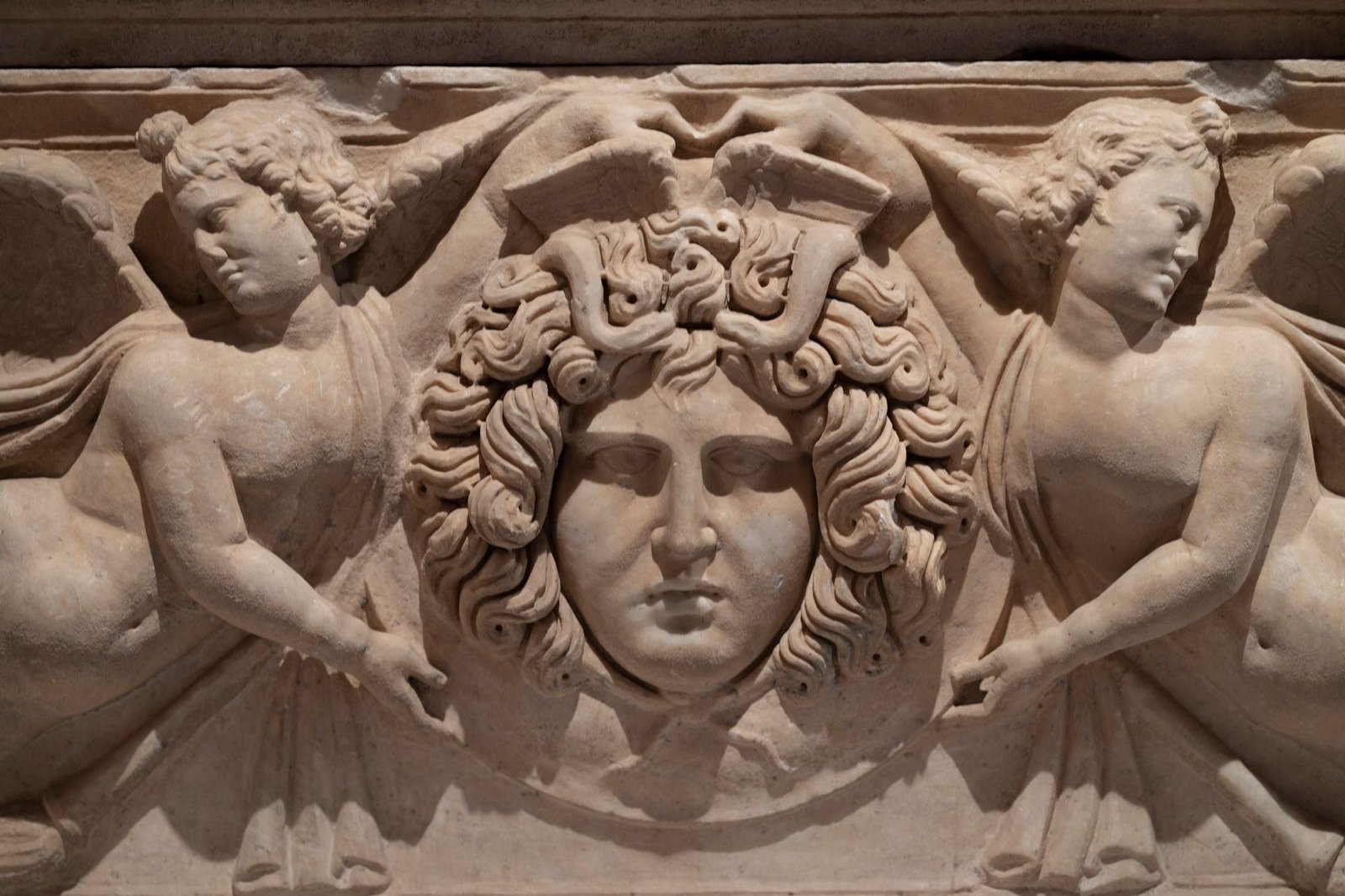
Medusa is one of the most enduring figures in Greek mythology, a Gorgon whose deadly gaze, complex origins, and shifting meanings have fascinated audiences for centuries. From ancient fears of monstrosity and sacred taboo to modern interpretations of beauty, victimhood, and power, her story reveals far more than a simple monster tale.