Ancient Greece
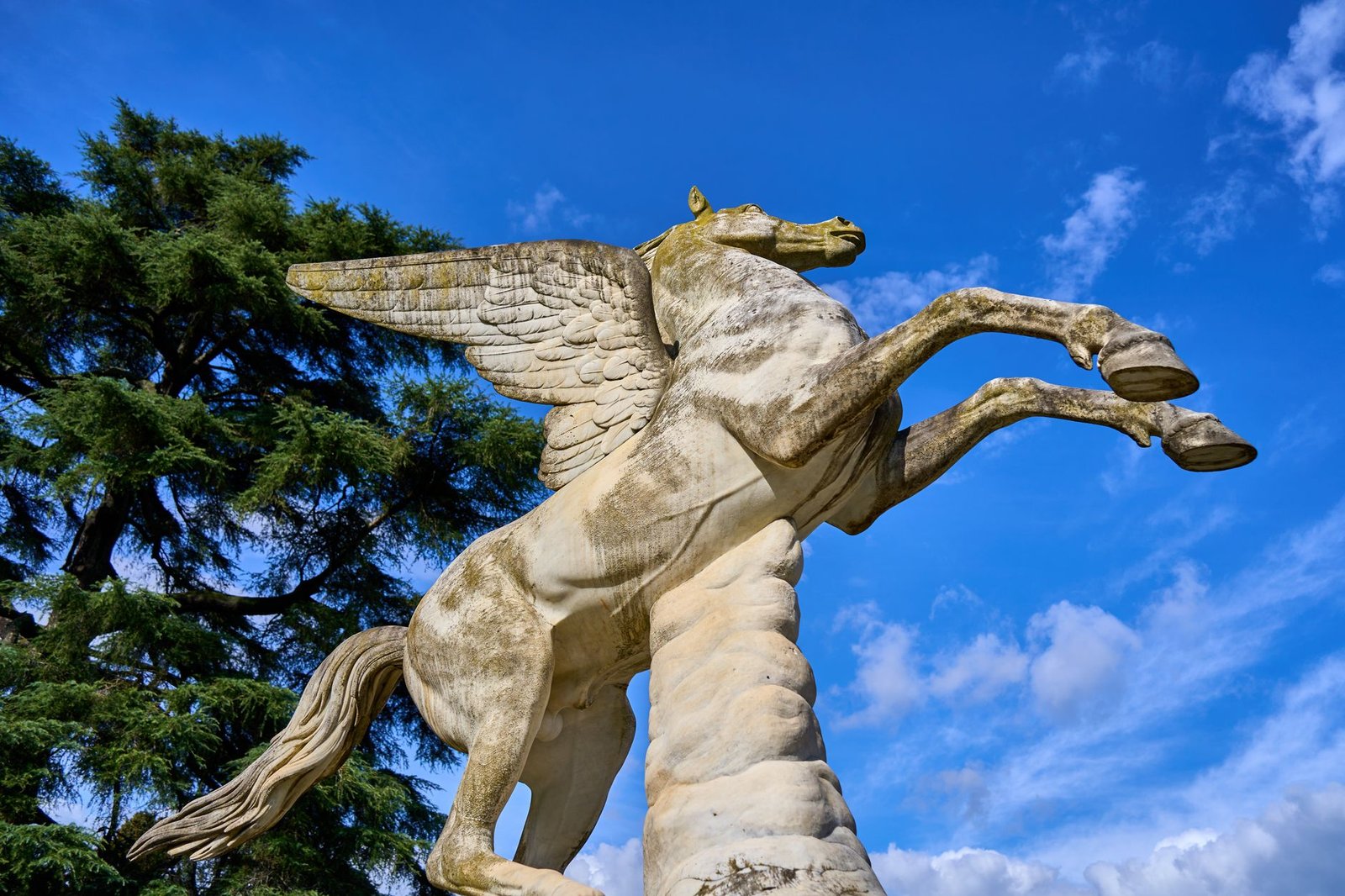
Pegasus: Mythology, Meaning, and Cultural Significance
Pegasus is one of Greek mythology’s most enduring figures, a winged horse linked to divine inspiration, heroic adventure, and the boundary between mortal and immortal worlds. From his extraordinary birth and his role with Bellerophon to the spring Hippocrene and later cultural symbols, Pegasus reveals how one mythic creature came to embody imagination, freedom, and artistic transcendence.
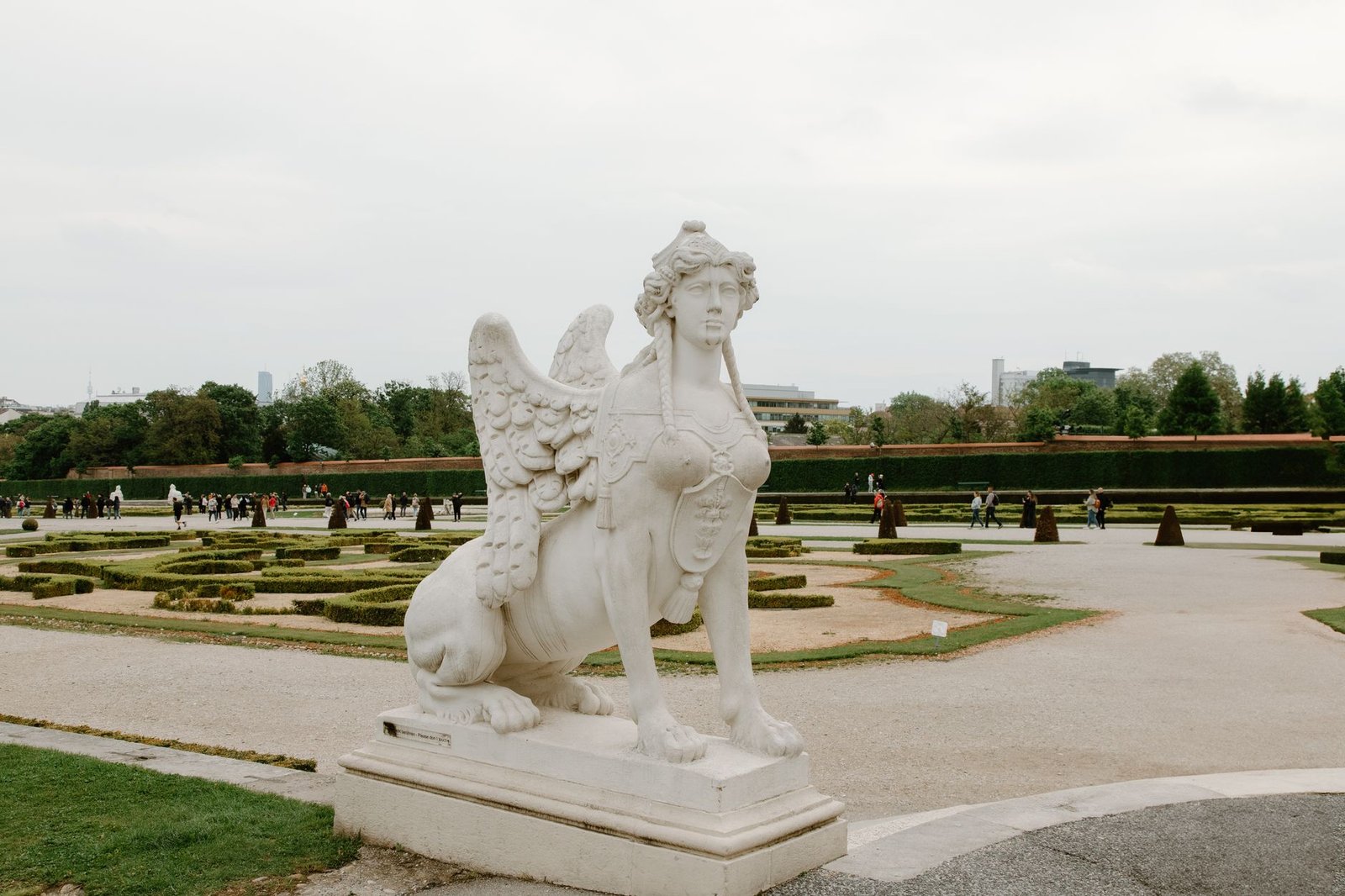
Greek Sphinx: Mythology, History, and Symbolism
The Greek Sphinx is a striking figure of Greek mythology, blending human intelligence with lion, bird, and sometimes serpent traits to embody riddles, danger, and the limits of knowledge. From the Theban story of Oedipus to its roles in art, ritual, and symbolism, it appears as both a deadly test and a powerful guardian, inviting closer study.
Scylla and Charybdis: Meaning, Myth, and Origins
Scylla and Charybdis are legendary monsters from Greek mythology, first set side by side in Homer’s *Odyssey* as the twin threats guarding a narrow sea passage. Their story explains the enduring phrase “between Scylla and Charybdis,” a vivid symbol of being forced to choose between two dangerous outcomes, and reveals how ancient Greeks understood risk at sea.

Sirens: Mythological Beings and Greek Legend
Sirens are enduring figures in Greek mythology, famed for their mesmerizing song and deadly lure in Homer’s *Odyssey*. This article traces their origins, changing imagery, and symbolic role in art and literature, revealing how sirens came to embody temptation, deception, and the hidden dangers of irresistible beauty.
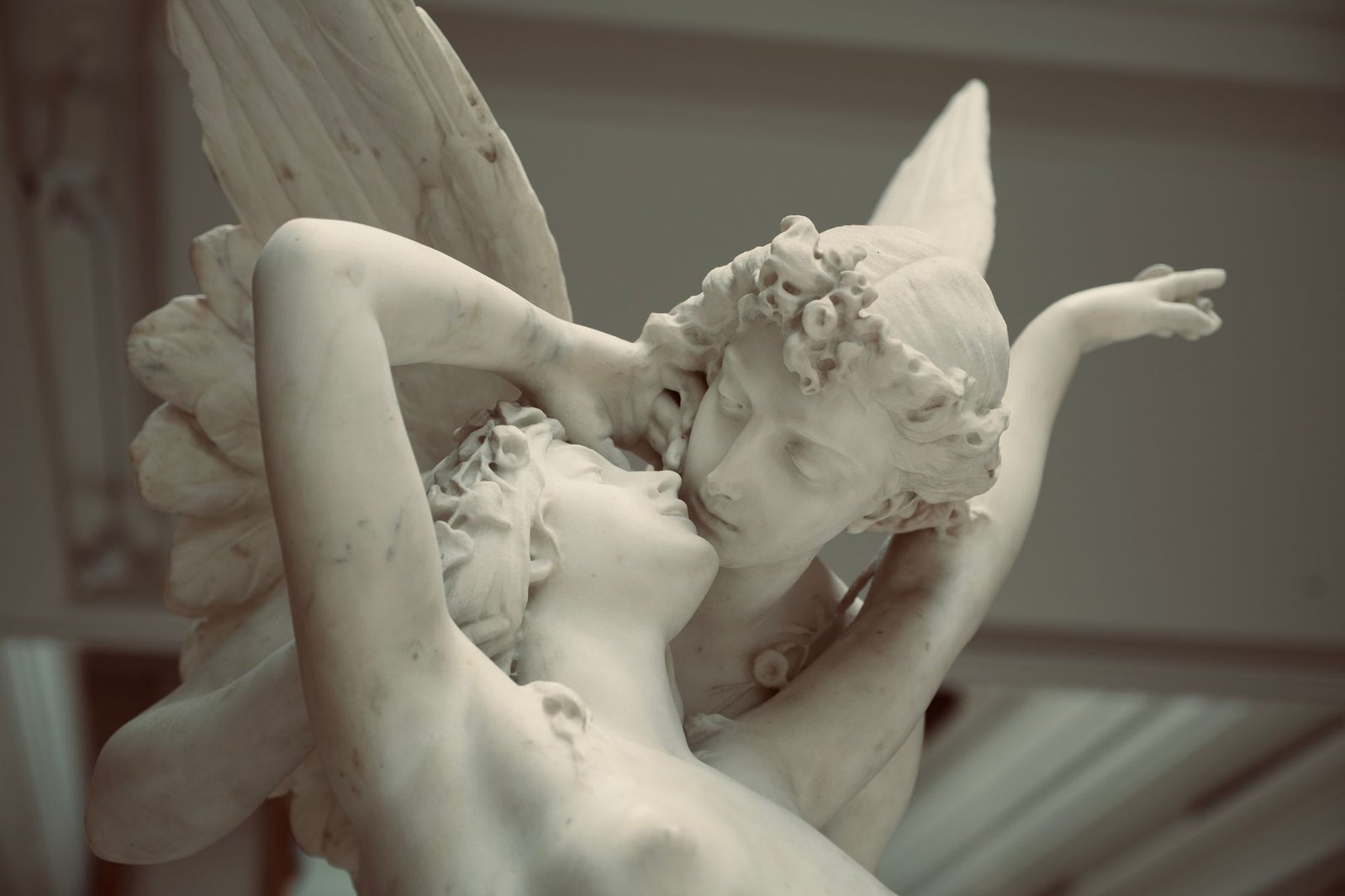
Harpies: Mythology, Origins, and Cultural Significance
Harpies are enduring figures of Greek mythology, described as swift spirits of violent wind, sudden seizure, and divine punishment rather than merely bird-women in later art. Tracing their changing roles from early poetry to Roman literature reveals how ancient Greeks used harpies to explain loss, contamination, and the hidden force of stormy air.
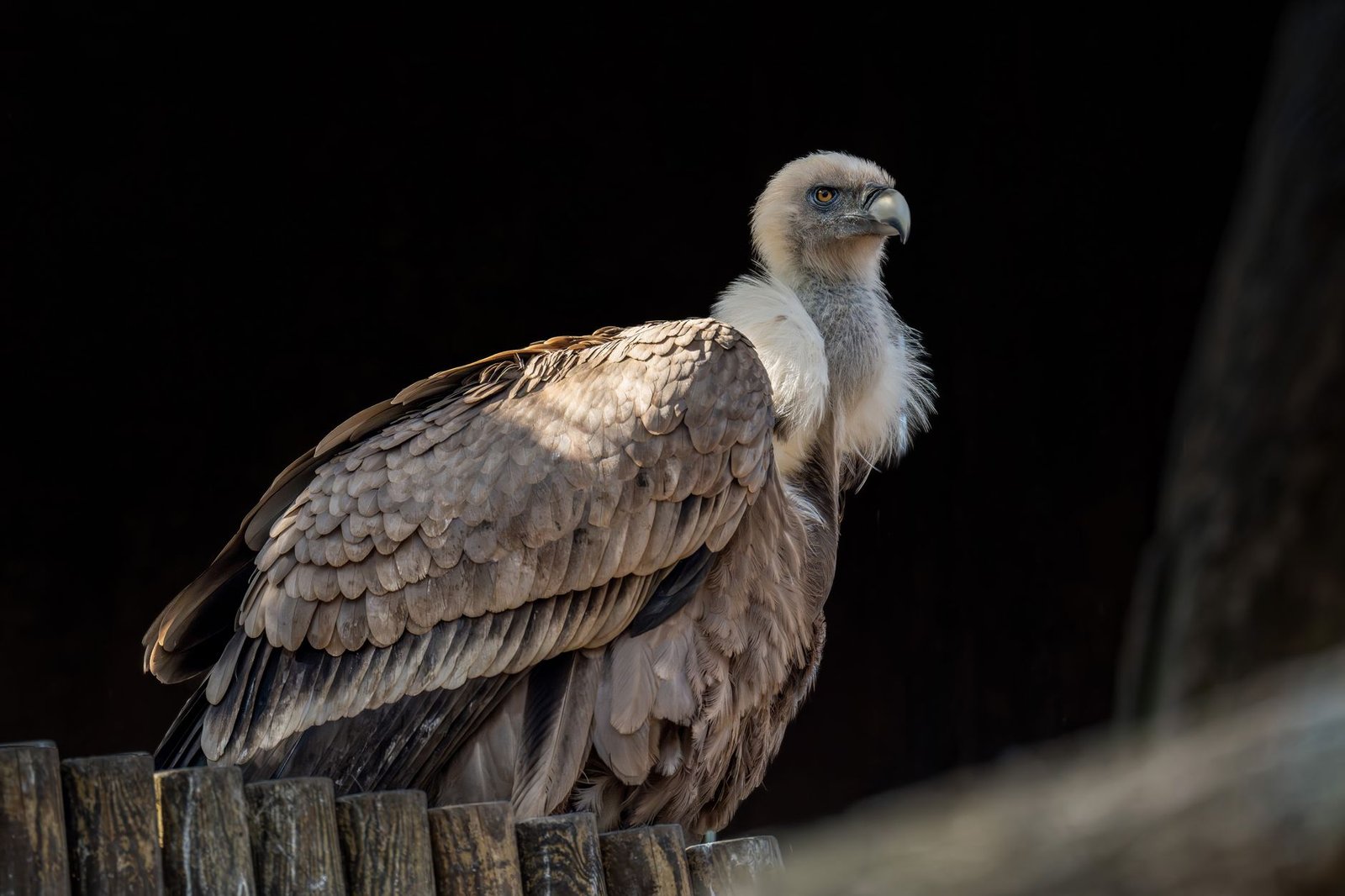
Griffin: Mythological Creature, Origins, and Symbolism
The griffin is a legendary hybrid creature, typically shown with the body of a lion and the head and wings of an eagle, whose image has endured from the ancient Near East to medieval Europe and modern fantasy. Exploring its uncertain origins, shifting names, and rich symbolism reveals why the griffin has long served as a guardian, royal emblem, and enduring marker of authority.
Ladon: Greek Mythology Dragon and Guardian of the Apples
Ladon is the many-headed serpent or dragon of Greek mythology, famed for guarding the golden apples in the Garden of the Hesperides and for appearing in the stories of Heracles, Atlas, and the boundary between mortal and divine realms. His shifting portrayals in myth and art reveal a powerful ancient symbol of vigilance, danger, and the challenge of reaching what is sacredly protected.
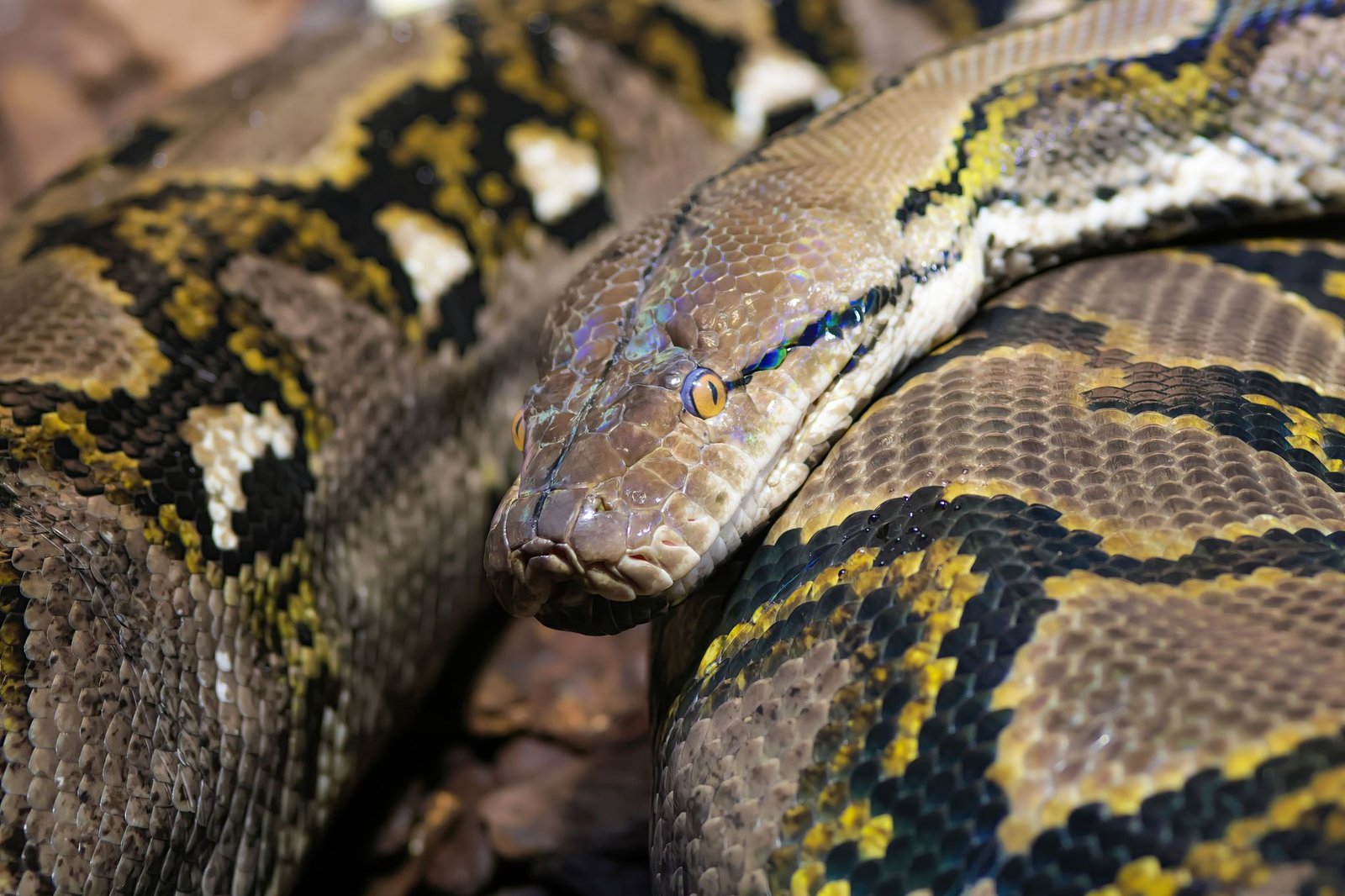
Python: Definition, History, and Key Facts
The python is a large non-venomous snake found across Africa, Asia, and parts of Australia, notable for its immense strength, heat-sensing abilities, and method of subduing prey by constriction. Long woven into folklore, religion, and natural history, the python also plays a significant ecological role, and its diverse species reveal much about both evolution and human perceptions of snakes.
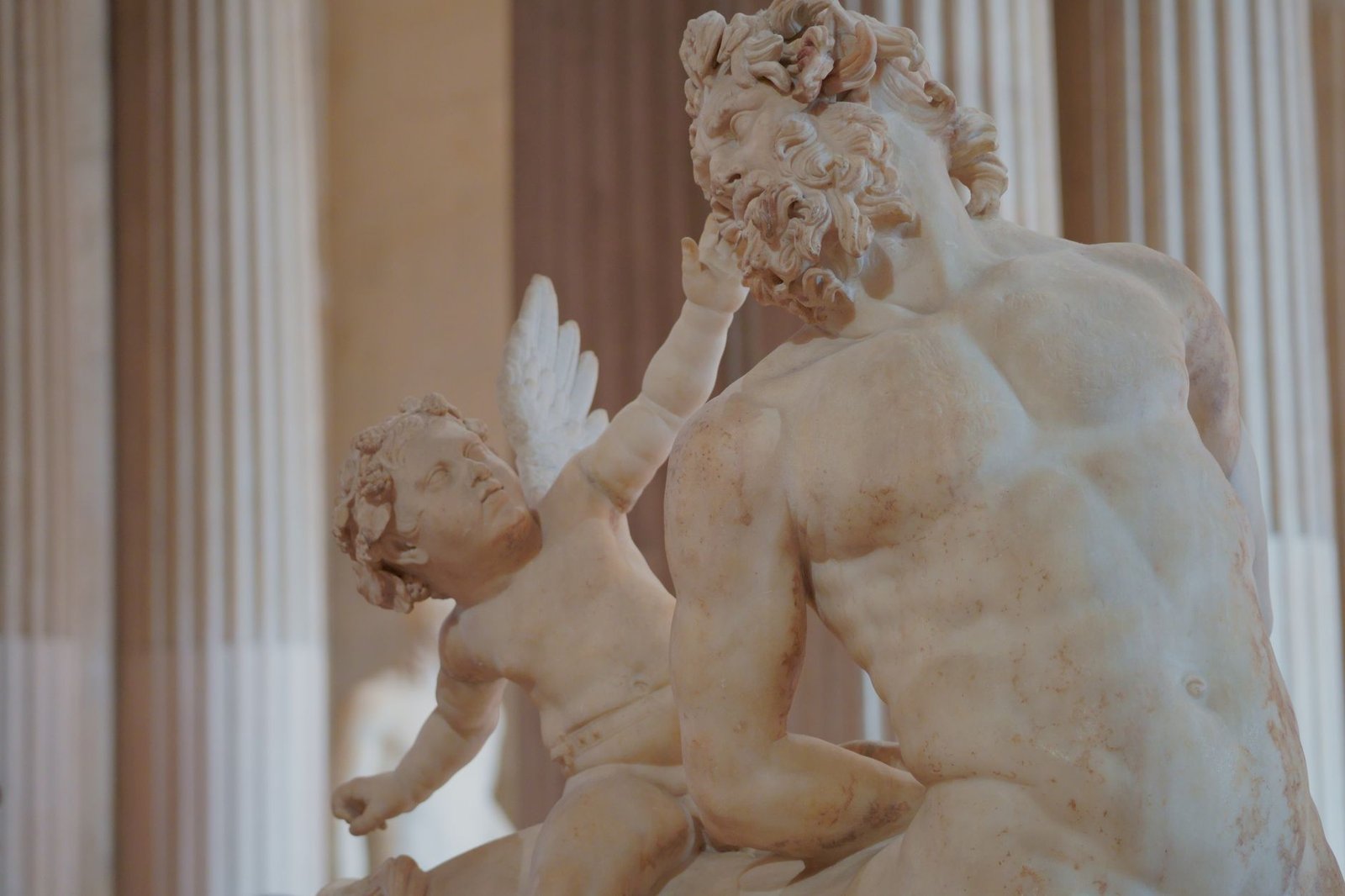
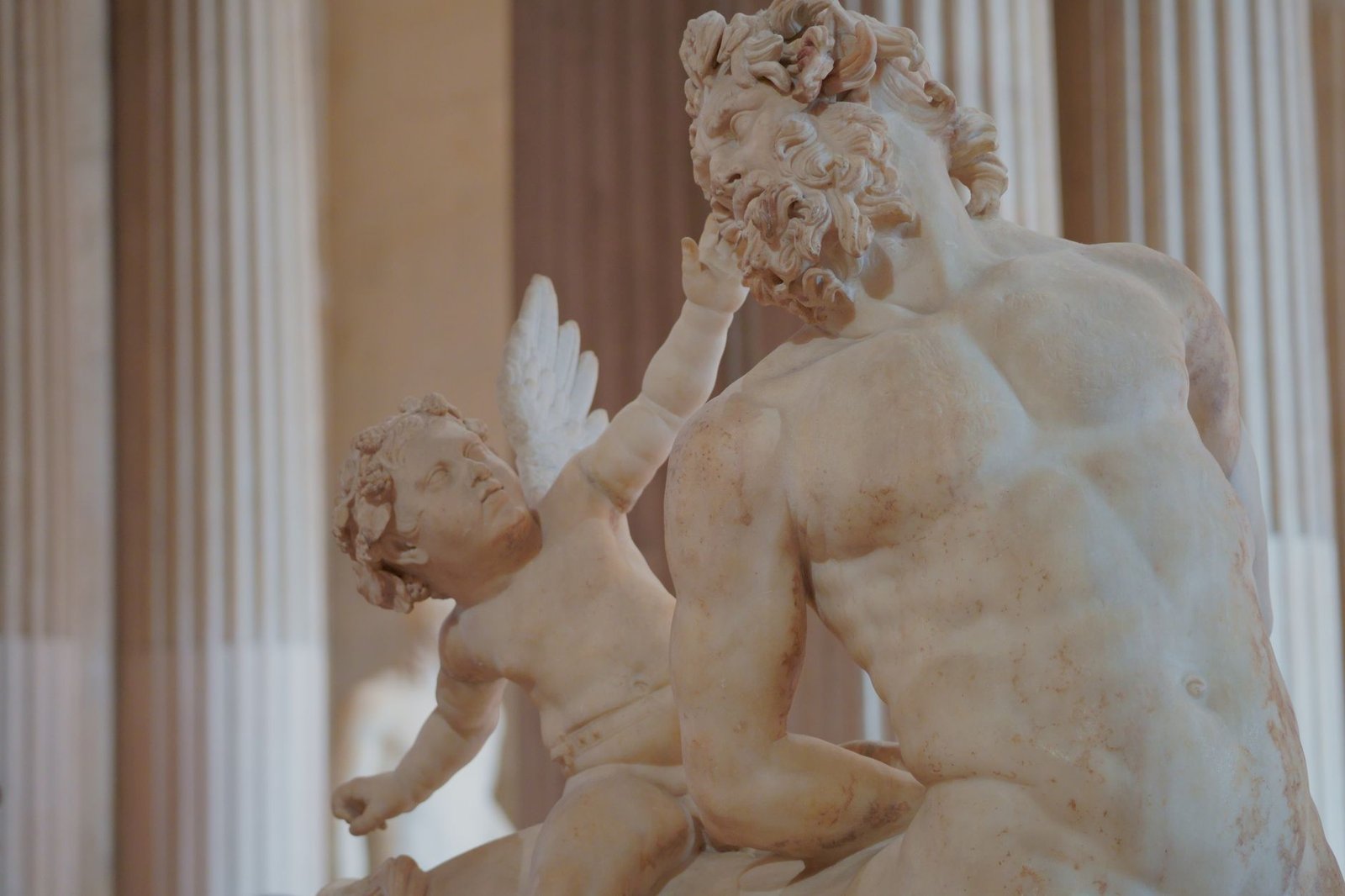
Centaurs: Mythology, Origins, and Cultural Significance
Centaurs are iconic figures in Greek mythology, depicted as beings with a human upper body and a horse’s lower body, and they embody a striking conflict between civilization and instinct. Appearing in epic, art, and later literature, centaurs range from savage mountain-dwellers to wise companions of heroes, making them a revealing lens through which to explore ancient ideas about self-control, nature, and society.
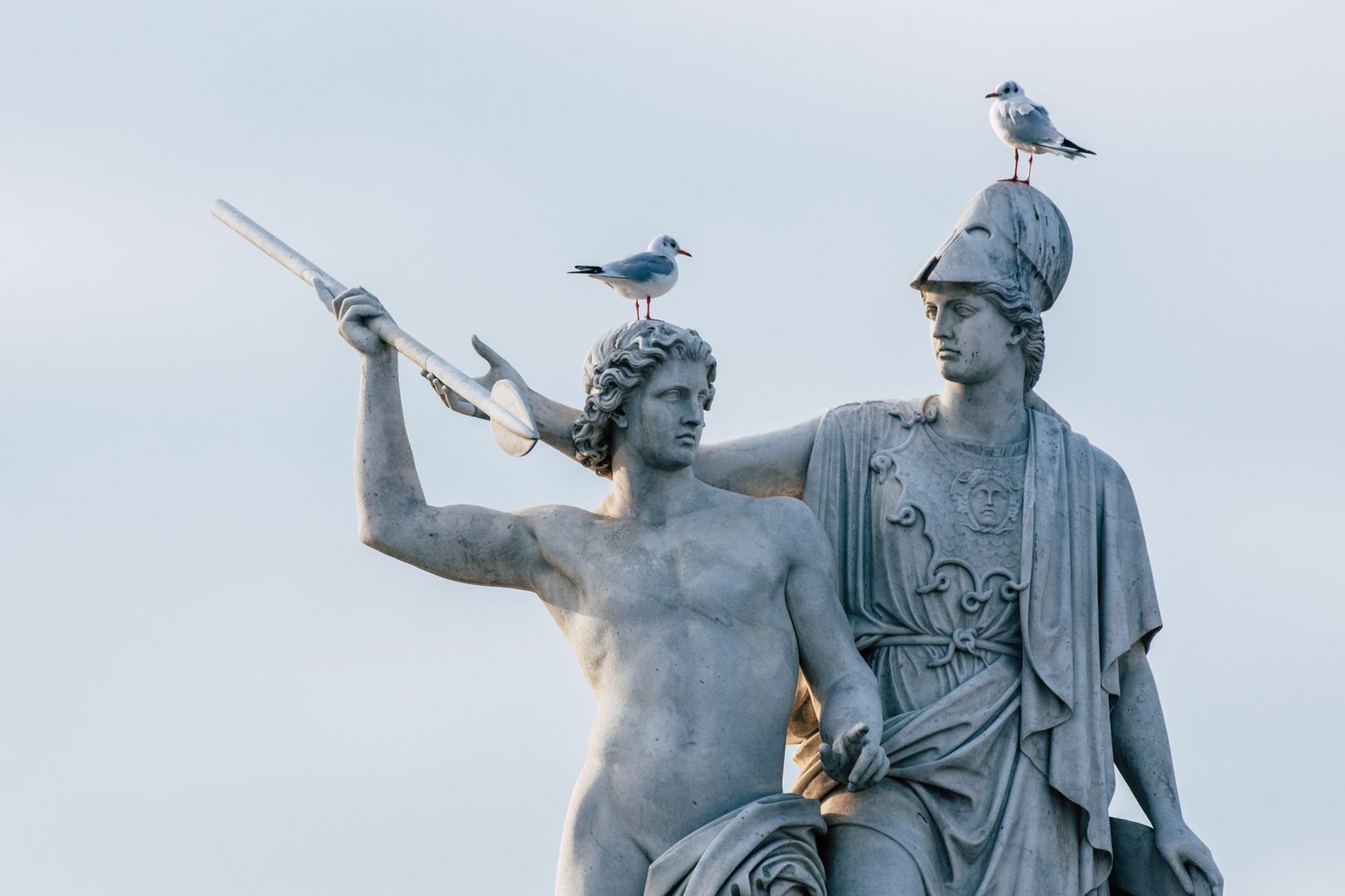
Stymphalian Birds: Greek Mythology and Heroic Legend
The Stymphalian Birds are among the most memorable monsters of Greek mythology, known from Heracles’ Twelve Labours as deadly creatures inhabiting the marshes of Lake Stymphalia in Arcadia. This article explores their name, origins, symbolic meaning, and enduring role as a vivid image of untamed nature awaiting the hero’s intervention.