Medusa
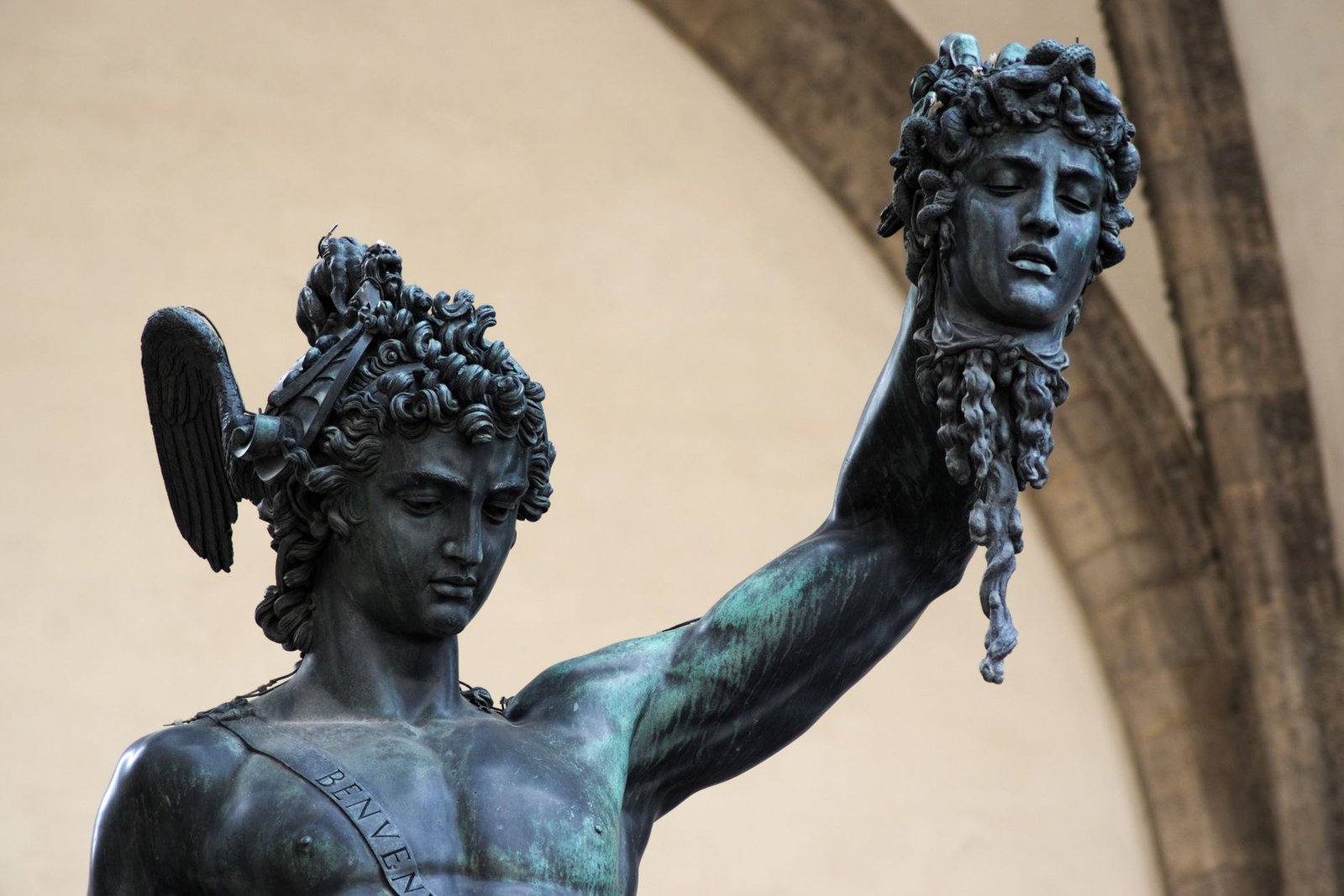
Gorgoneion: Meaning, Symbolism, and Ancient Greek Art
The Gorgoneion, the striking image of a Gorgon’s head most often linked to Medusa, served in ancient Greece and Rome as a potent apotropaic symbol meant to repel evil and protect against harm. Found on armor, temples, coins, and jewelry, it reveals how a terrifying mythic face became one of antiquity’s most enduring emblems of power and protection.
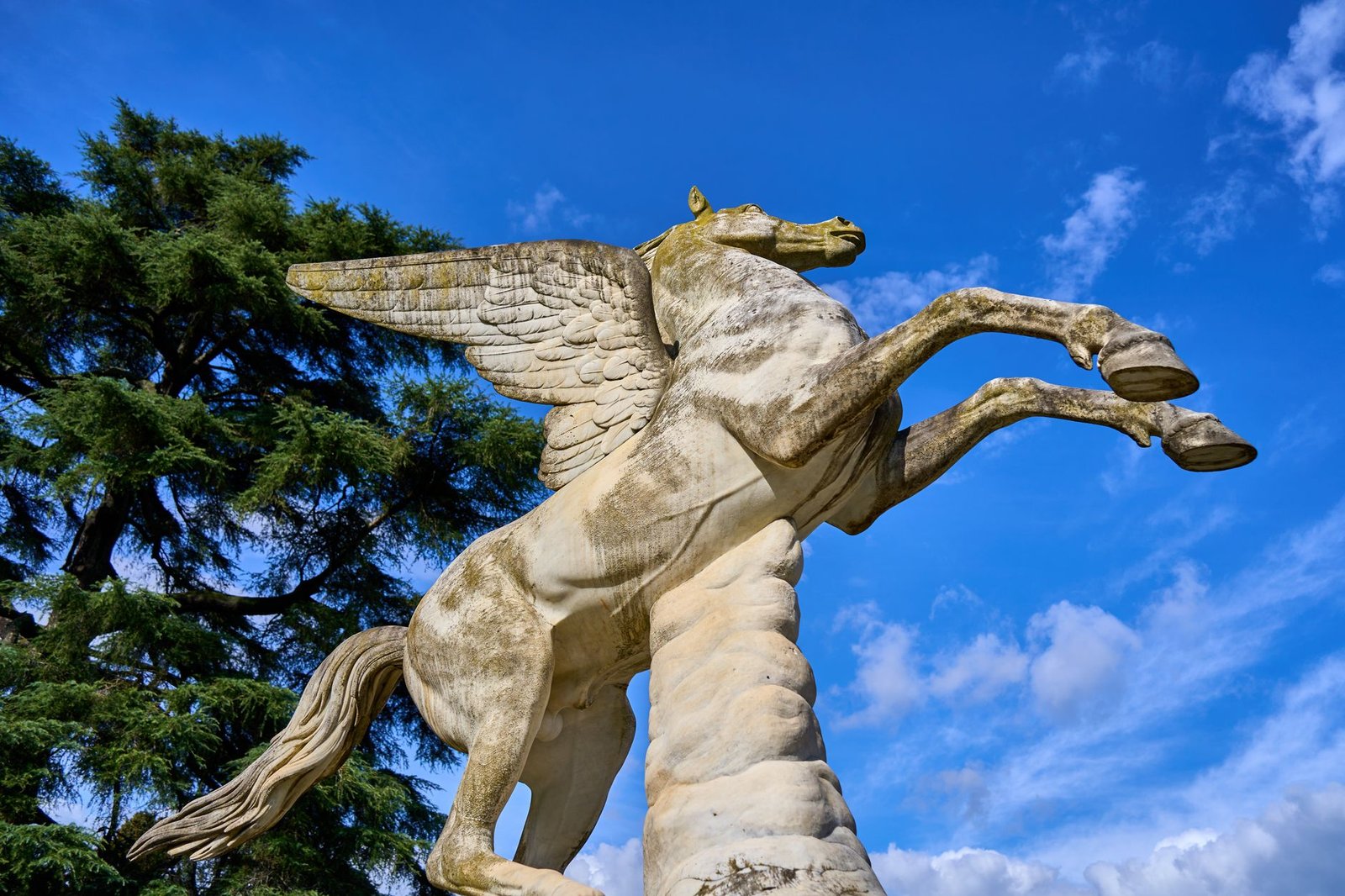
Pegasus: Mythology, Meaning, and Cultural Significance
Pegasus is one of Greek mythology’s most enduring figures, a winged horse linked to divine inspiration, heroic adventure, and the boundary between mortal and immortal worlds. From his extraordinary birth and his role with Bellerophon to the spring Hippocrene and later cultural symbols, Pegasus reveals how one mythic creature came to embody imagination, freedom, and artistic transcendence.
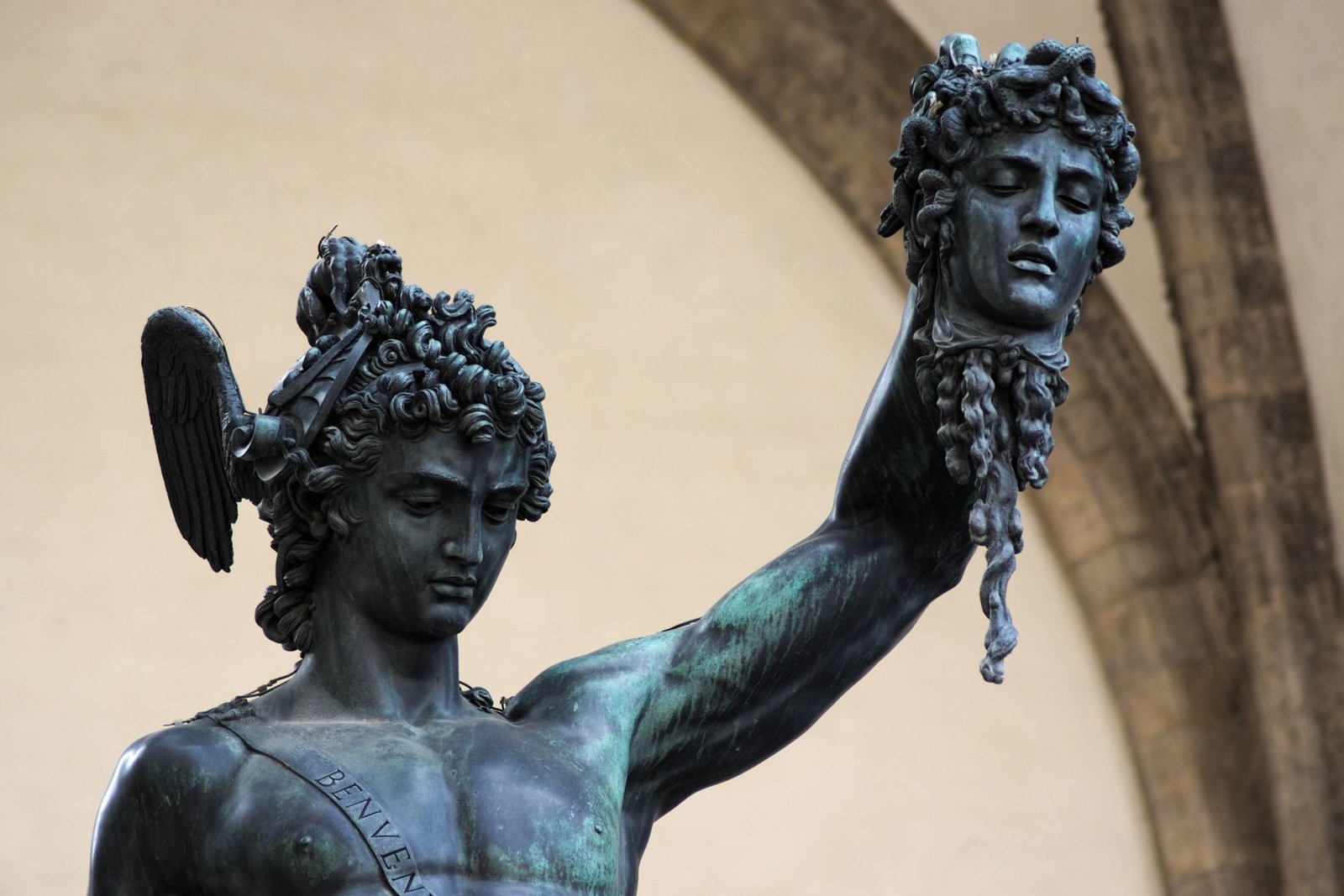
Perseus and Medusa: Greek Mythology Story and Meaning
Perseus and Medusa is a foundational Greek myth in which a divinely aided hero undertakes the perilous task of beheading the mortal Gorgon, Medusa, whose gaze turns living beings to stone. Across ancient and later retellings, the story explores heroism, danger, and the triumph of intelligence over force, inviting readers to trace its deeper meanings and enduring cultural influence.
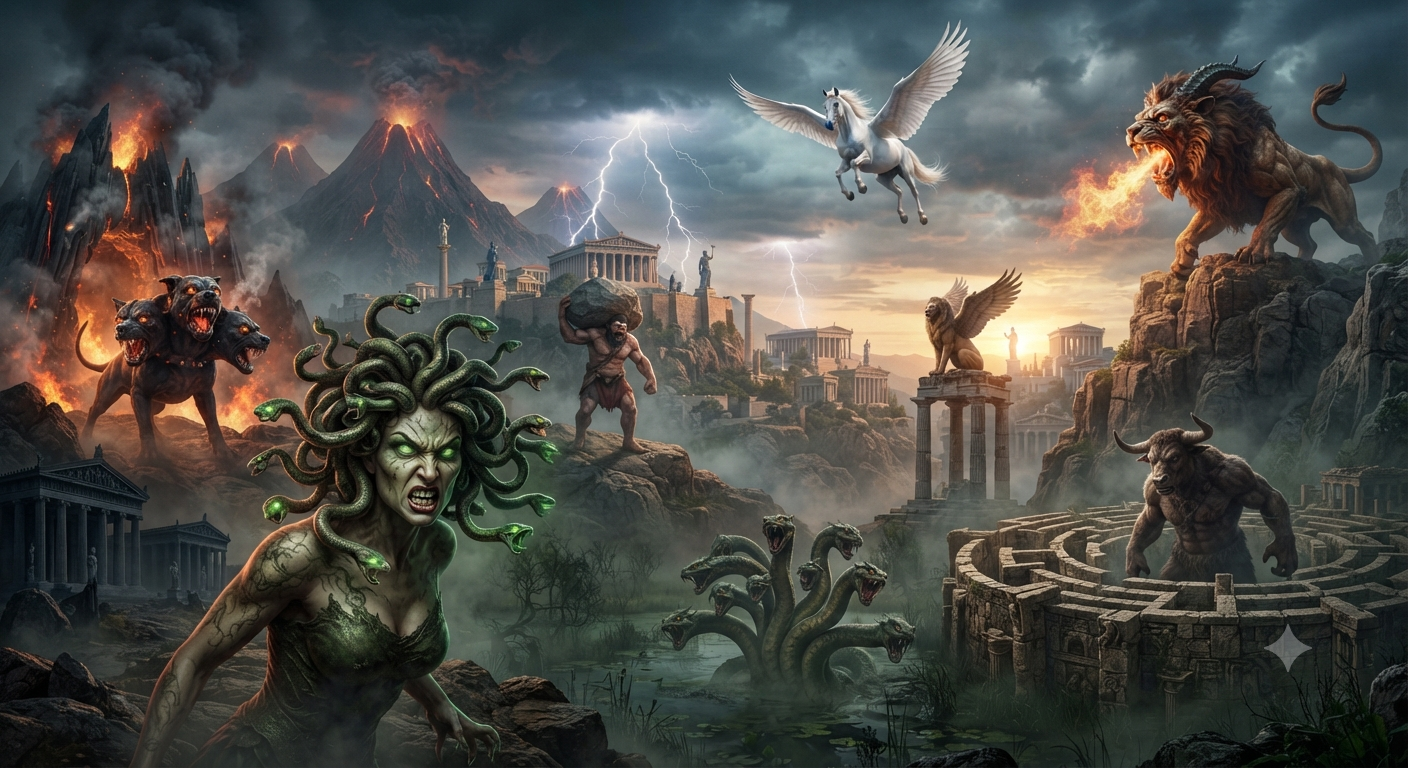
Greek Creatures and Monsters: The Complete Guide
Greek mythology’s monsters are more than obstacles for its heroes — they embody the chaos, danger, and wildness that civilization ...
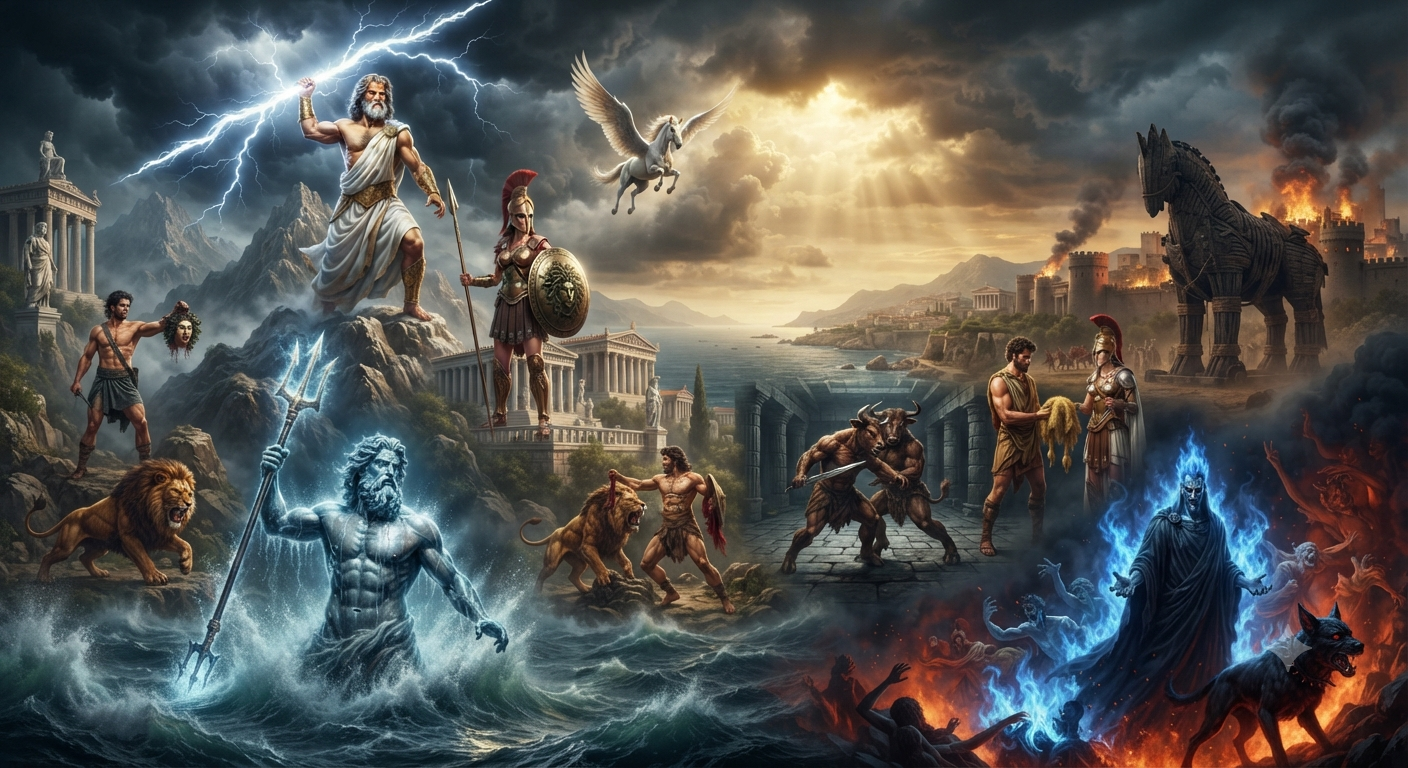
Greek Myths and Legends: The Complete Guide
Greek mythology is built not only from its gods and monsters but from the stories that connect them — tales ...