Egyptian gods and goddesses
What Does the Ankh Mean in Egyptian Mythology?
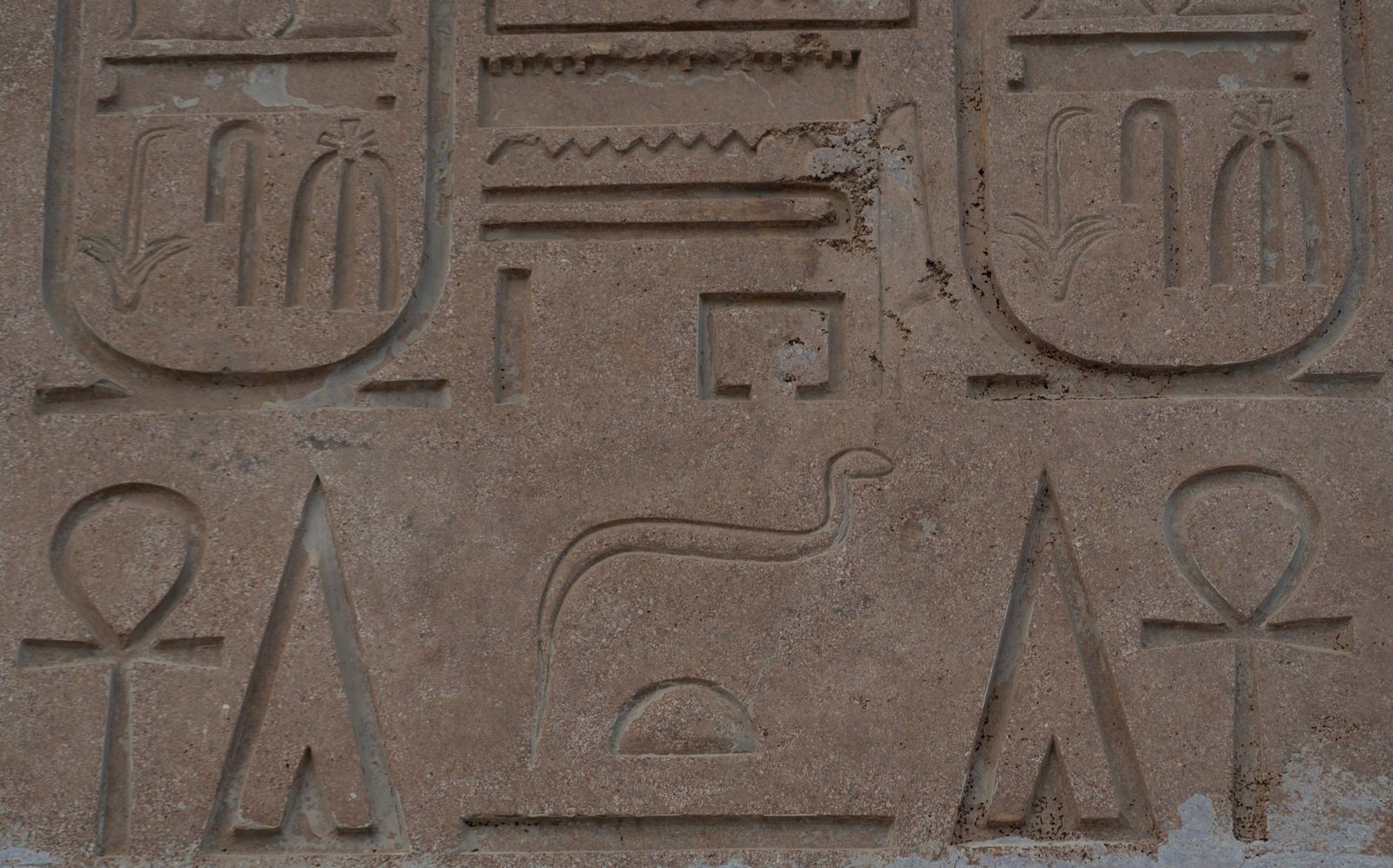
The **ankh** is one of ancient Egypt’s most enduring symbols, and in Egyptian mythology it represents life, divine power, and the promise of existence beyond death. This article explores its religious meaning, its use in temple and tomb imagery, and the ways the “key of life” came to embody rebirth, authority, and immortality.
What Is the Eye of Ra in Egyptian Mythology?
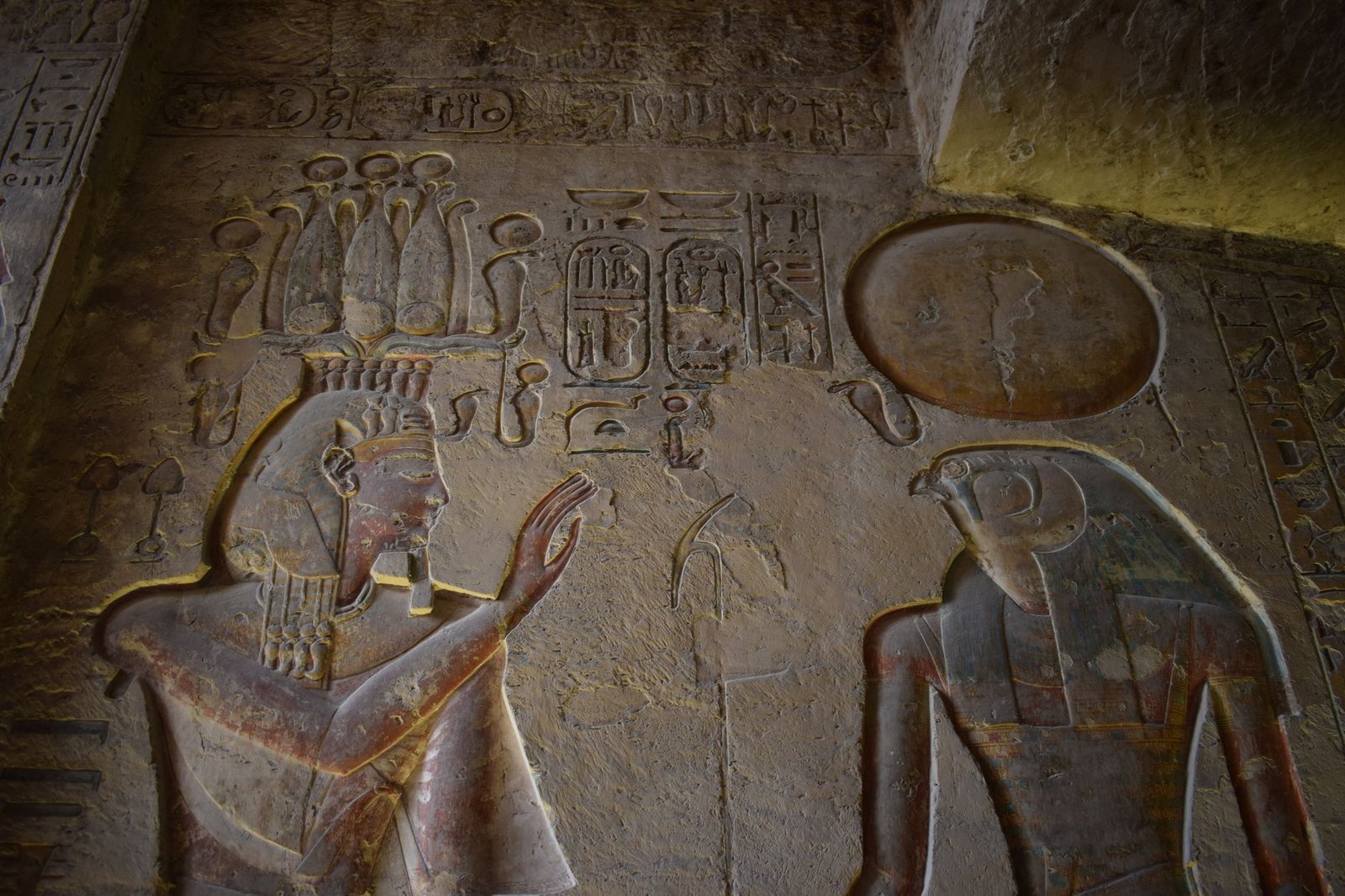
The Eye of Ra in Egyptian mythology is a powerful divine force linked to the sun god Ra, embodying protection, kingship, and the ability to punish disorder. Emerging in many forms and often associated with goddesses such as Sekhmet and Hathor, it reveals how the Egyptians understood both cosmic balance and the dangerous power behind creation.
What Is the Uraeus in Egyptian Mythology?
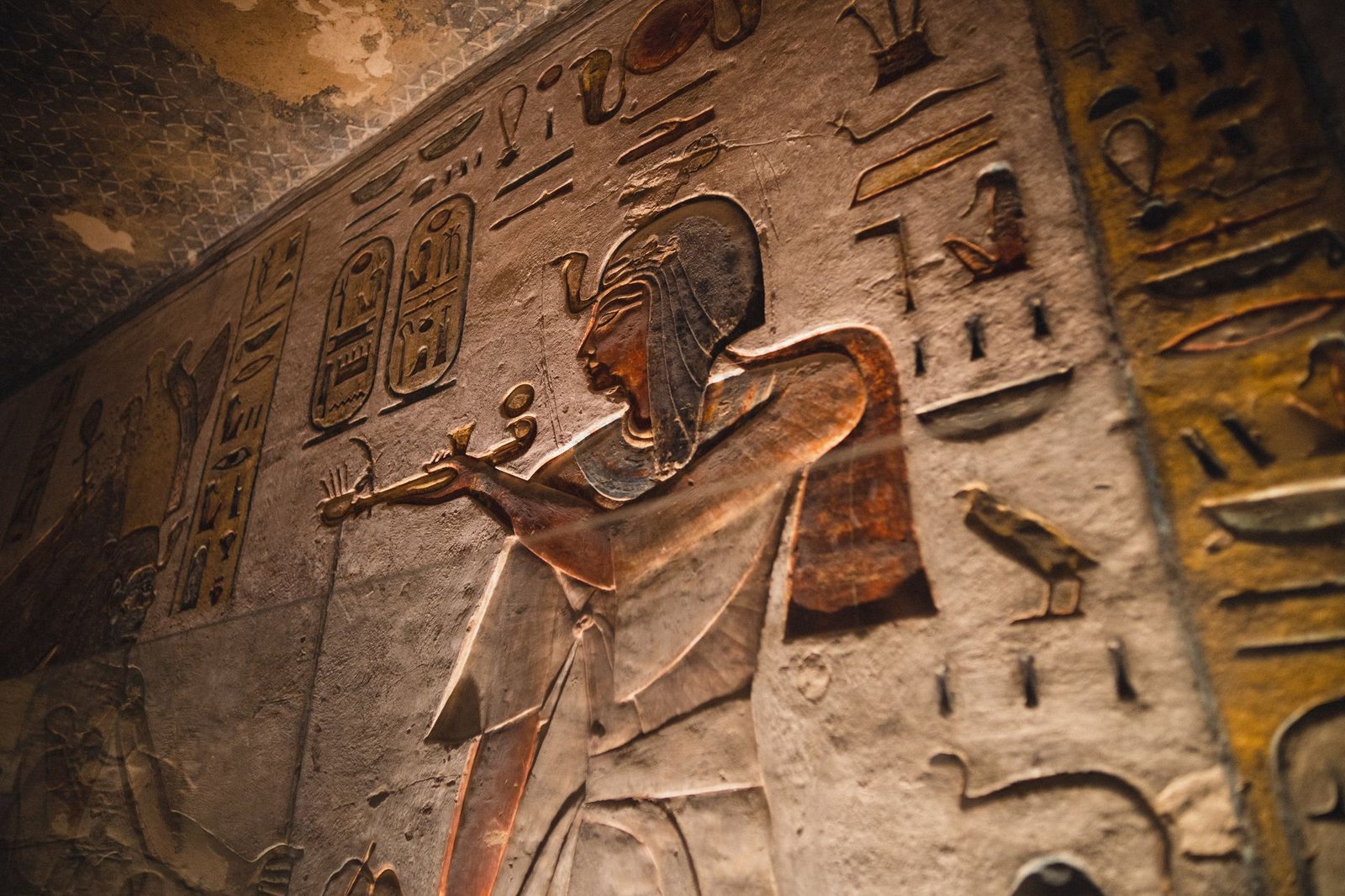
The uraeus in Egyptian mythology is the rearing cobra emblem associated with divine authority, royal protection, and the power to repel enemies, most often linked to the goddess Wadjet and the pharaoh’s crown. Its long history in art and ritual reveals how one small image came to express legitimacy, sacred power, and the close bond between rulers and the gods.
What Is the Ba in Egyptian Mythology? Definition and Meaning
The ba in Egyptian mythology was a vital aspect of identity, often translated as “soul” but better understood as a mobile force that linked a person to life, death, and the afterlife. Its role in funerary texts, temple belief, and ancient symbolism reveals a far more complex view of the self than modern readers might expect.
Who Is Khonsu in Egyptian Mythology? Role, Symbols, Meaning
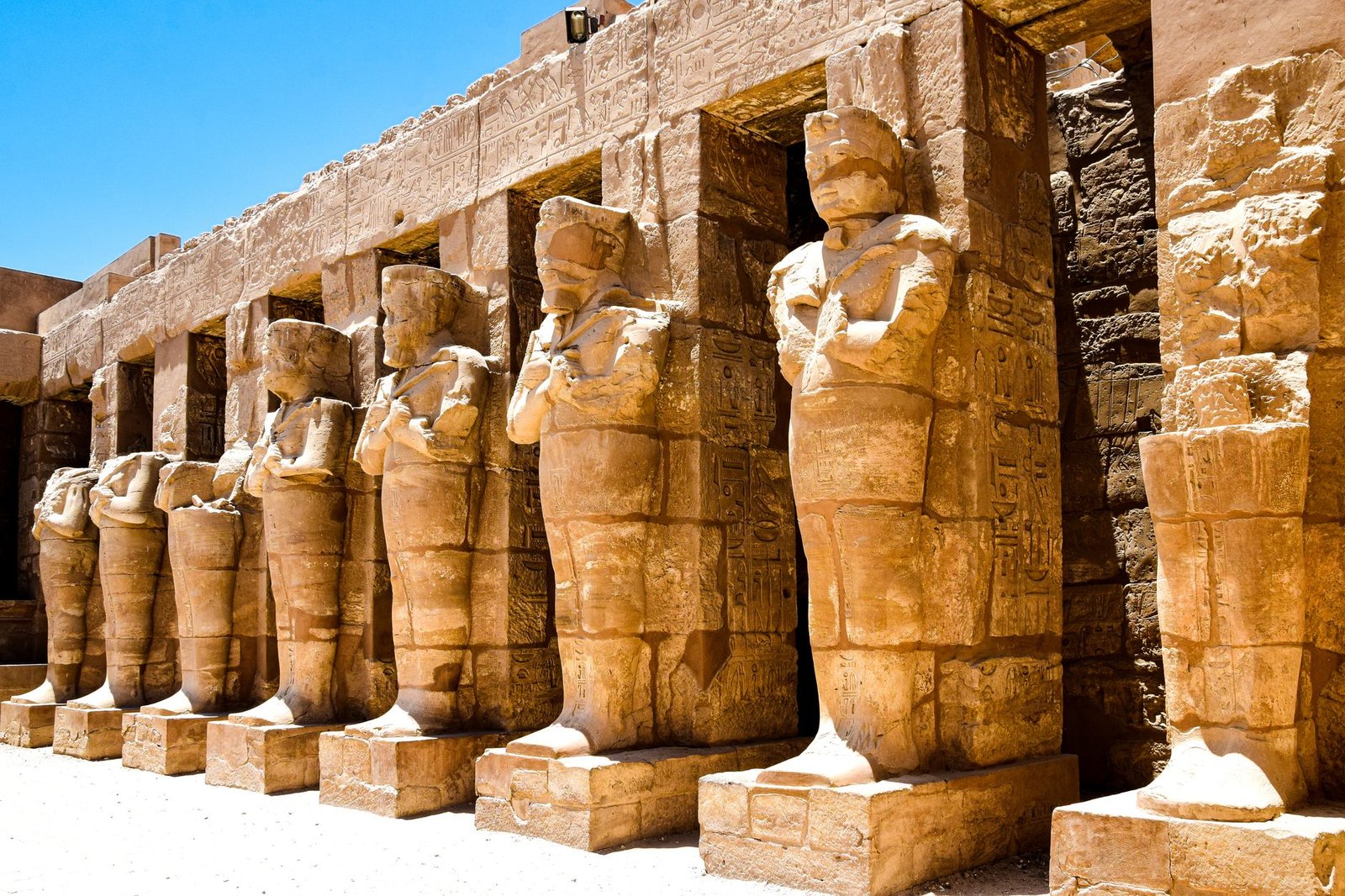
Khonsu in Egyptian mythology is the Theban moon god, known for governing time, healing, protection, and the night sky as part of the Amun-Re-Mut-Khonsu triad. His name, often understood as “the traveler,” reflects the moon’s journey and reveals why this deity became both a celestial marker and a powerful protector whose roles evolved across ancient Egyptian religion.
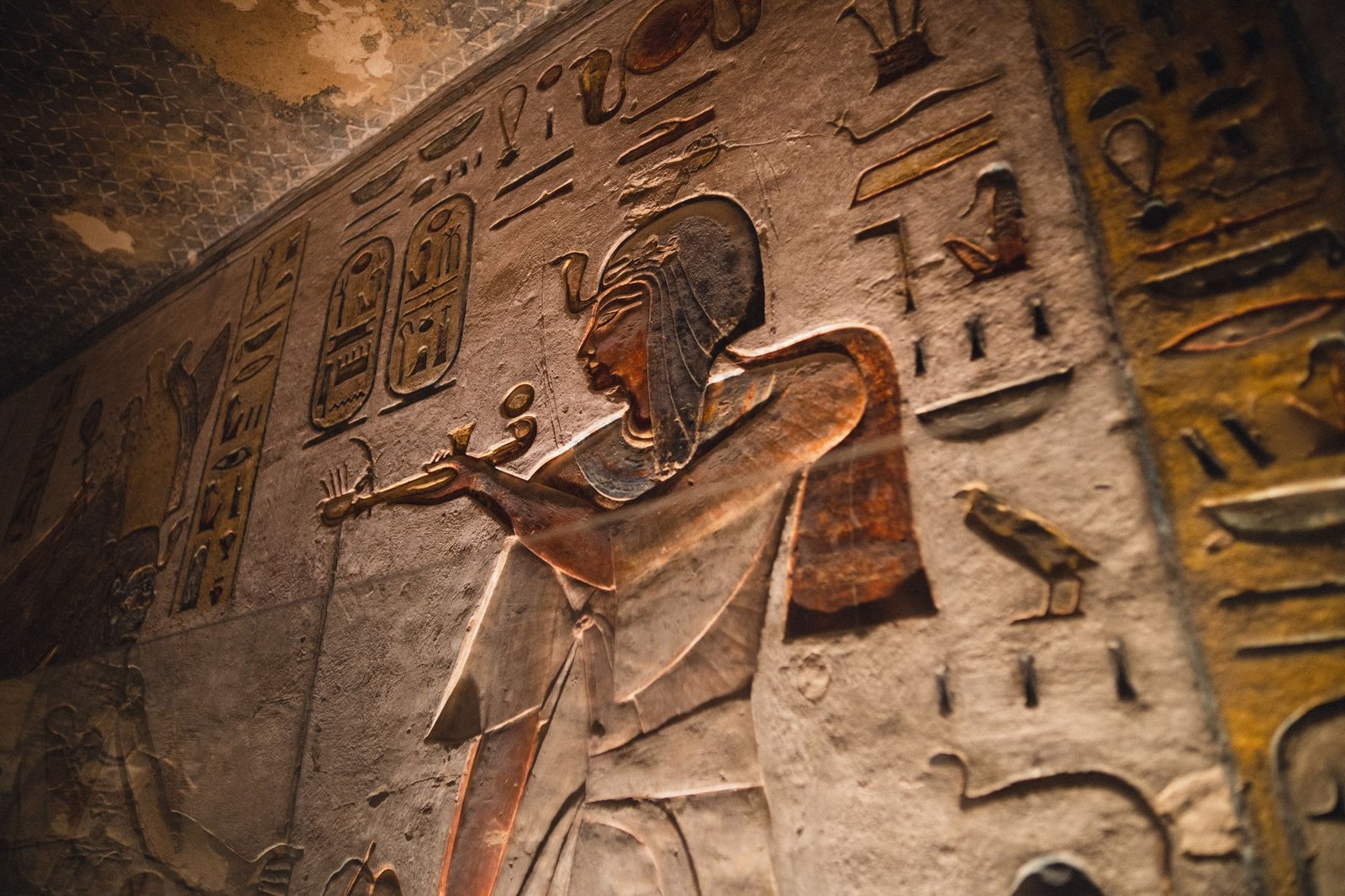
How Many Gods and Goddesses Did Ancient Egyptians Worship?
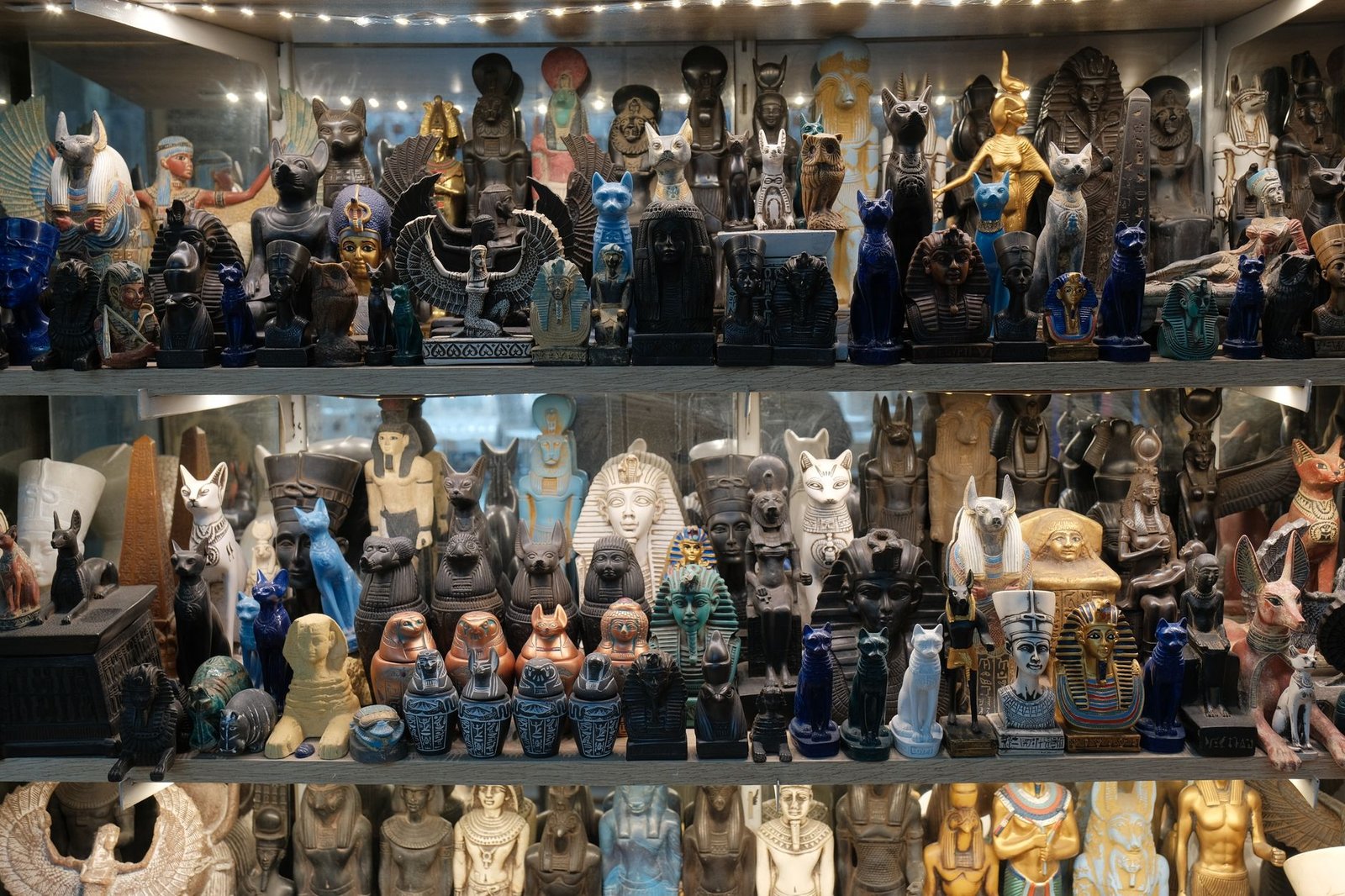
The ancient Egyptians worshipped a vast and changing array of divine beings, so the question how many gods and goddesses did the ancient Egyptians worship has no single exact answer. This article explains how scholars identify hundreds of named deities, from major national gods to local and specialized figures, and why that flexible religious system shaped Egyptian life for millennia.