Isis
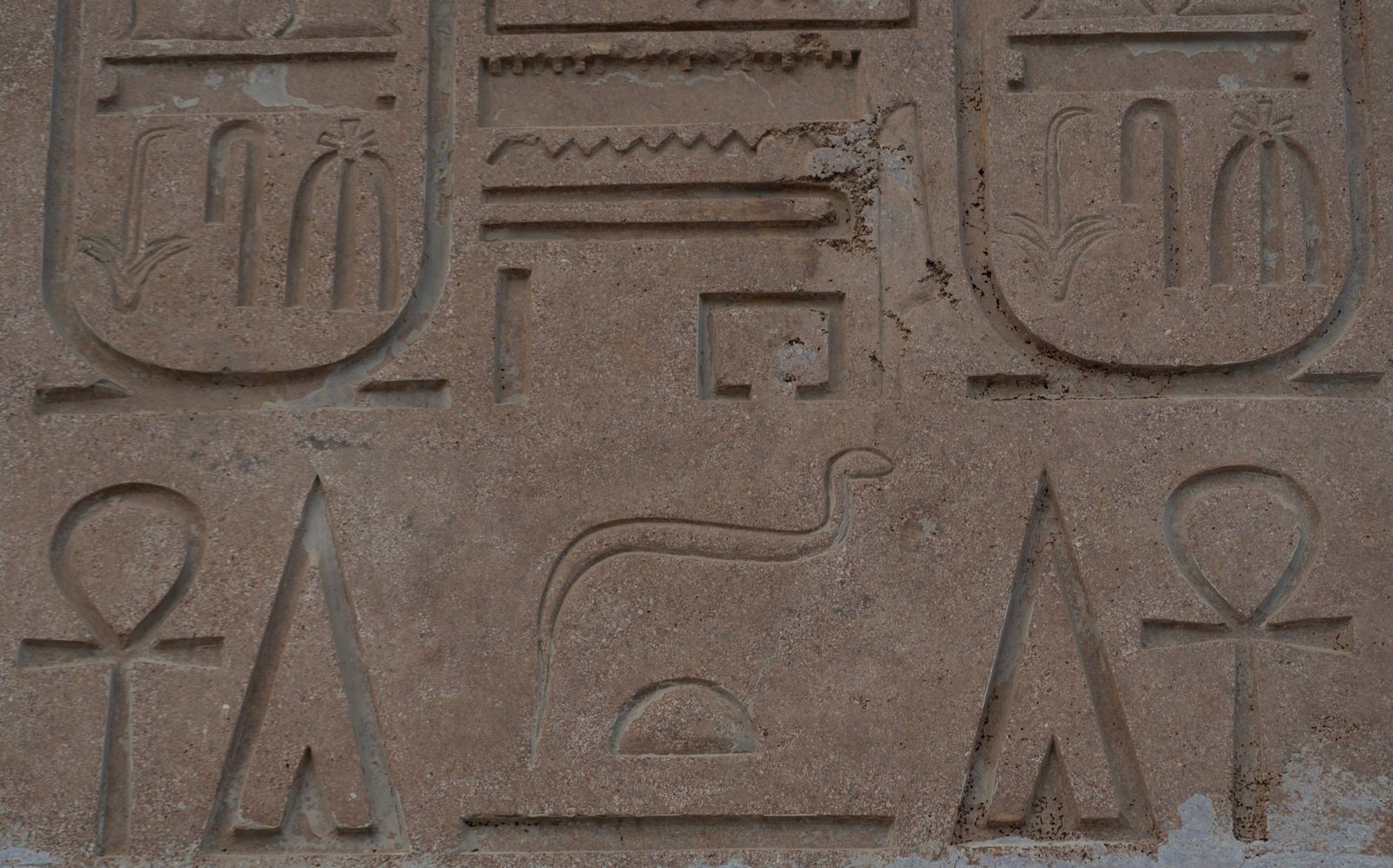
What Does the Ankh Mean in Egyptian Mythology?
The **ankh** is one of ancient Egypt’s most enduring symbols, and in Egyptian mythology it represents life, divine power, and the promise of existence beyond death. This article explores its religious meaning, its use in temple and tomb imagery, and the ways the “key of life” came to embody rebirth, authority, and immortality.
Menat Necklace in Egyptian Mythology: Meaning and Symbolism
The menat necklace in Egyptian mythology was far more than ornament: it was a sacred ritual object linked to Hathor, Isis, fertility, protection, and divine nourishment. This excerpt explores its origins, symbolic meanings, and ceremonial uses, revealing why the menat remains essential to understanding ancient Egyptian religion.
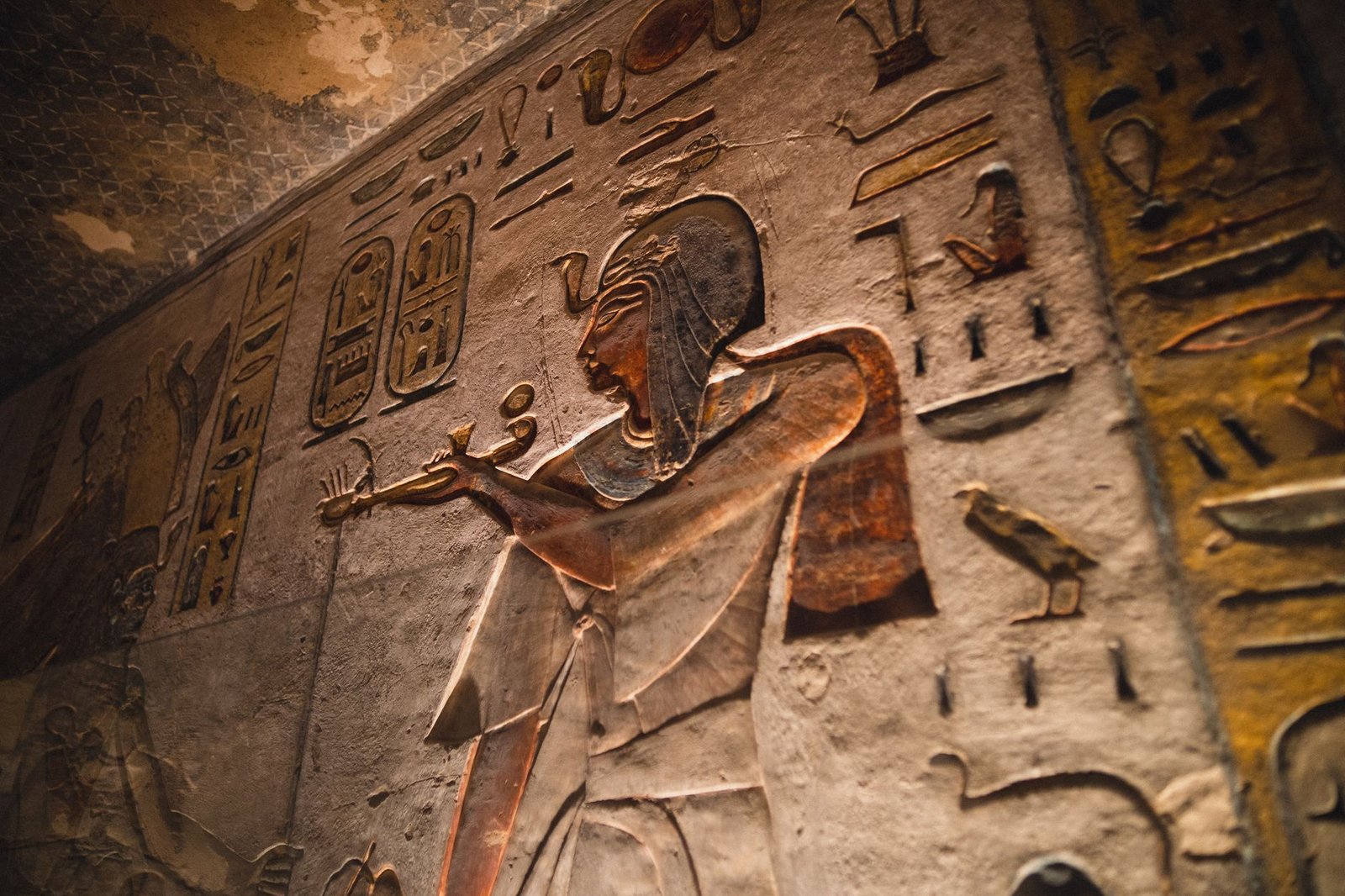
What Is the Sistrum in Egyptian Mythology?
The sistrum in Egyptian mythology was a sacred rattle used in temple rituals, processions, and ceremonies, especially in honor of Hathor and later Isis. More than a musical instrument, it symbolized the power of sound to delight deities, protect against harmful forces, and sustain sacred order, revealing why it appears so often in Egyptian art and ritual scenes.
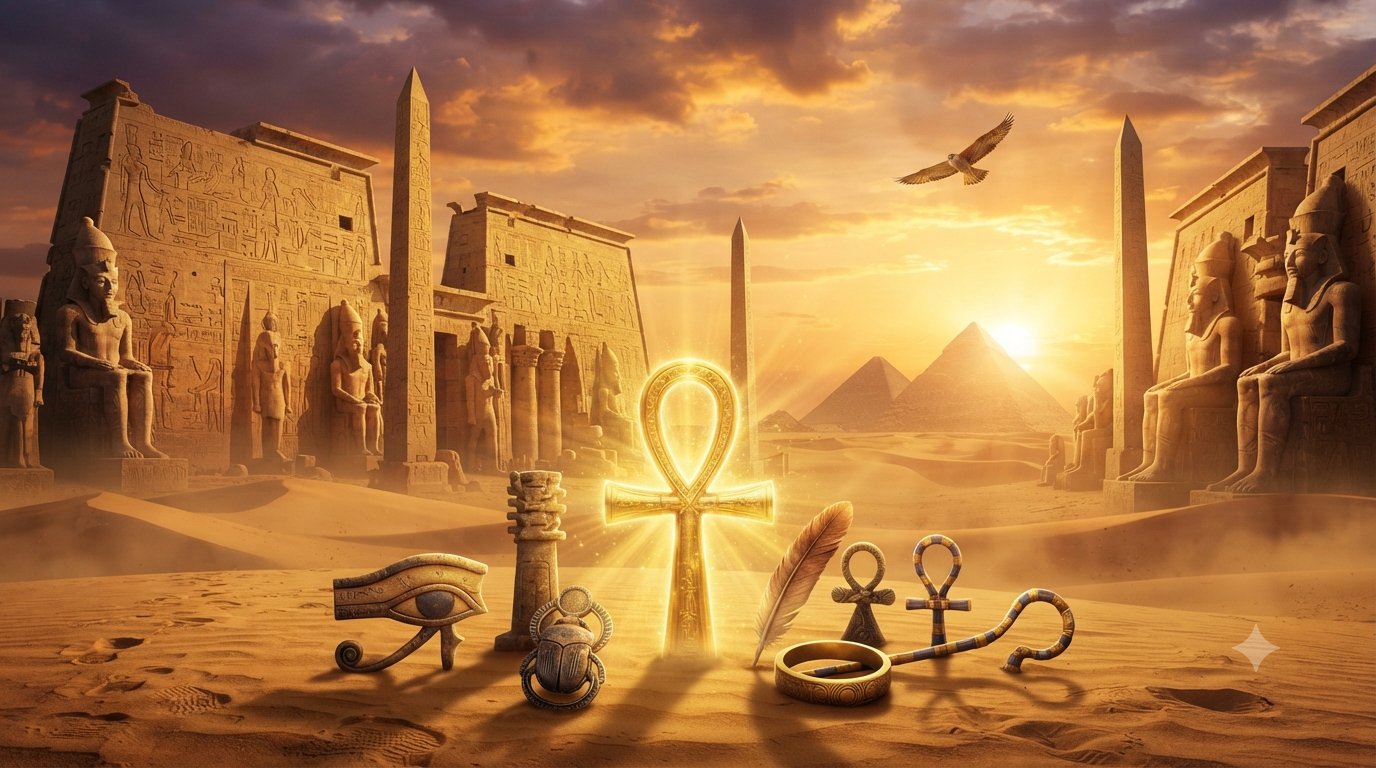
Egyptian Symbols: The Complete Guide to Ancient Egypt’s Sacred Signs and Their Meanings
Ancient Egypt communicated its deepest religious beliefs through images long before most of its population could read a single hieroglyph. ...

What Is the Ennead in Egyptian Mythology?
The ennead in Egyptian mythology refers to a nine-god divine family, most famously the Heliopolitan Ennead centered on Atum and the sun cult of Heliopolis. Its creation myths link the gods, the cosmos, and royal authority, revealing how ancient Egyptians explained order emerging from chaos and why this theology remained influential.
How Many Gods and Goddesses Did Ancient Egyptians Worship?
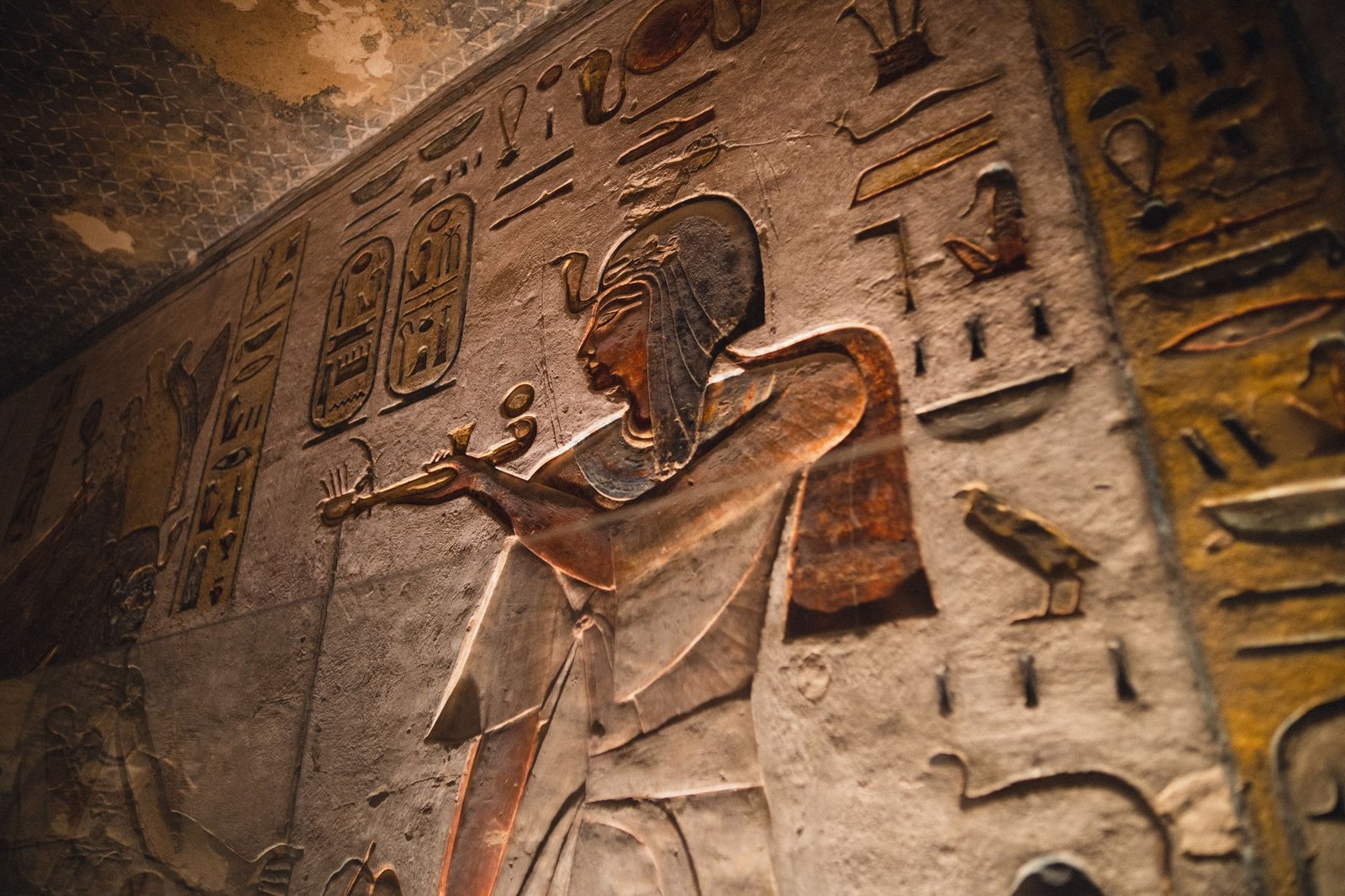
The ancient Egyptians worshipped a vast and changing array of divine beings, so the question how many gods and goddesses did the ancient Egyptians worship has no single exact answer. This article explains how scholars identify hundreds of named deities, from major national gods to local and specialized figures, and why that flexible religious system shaped Egyptian life for millennia.