Thebes
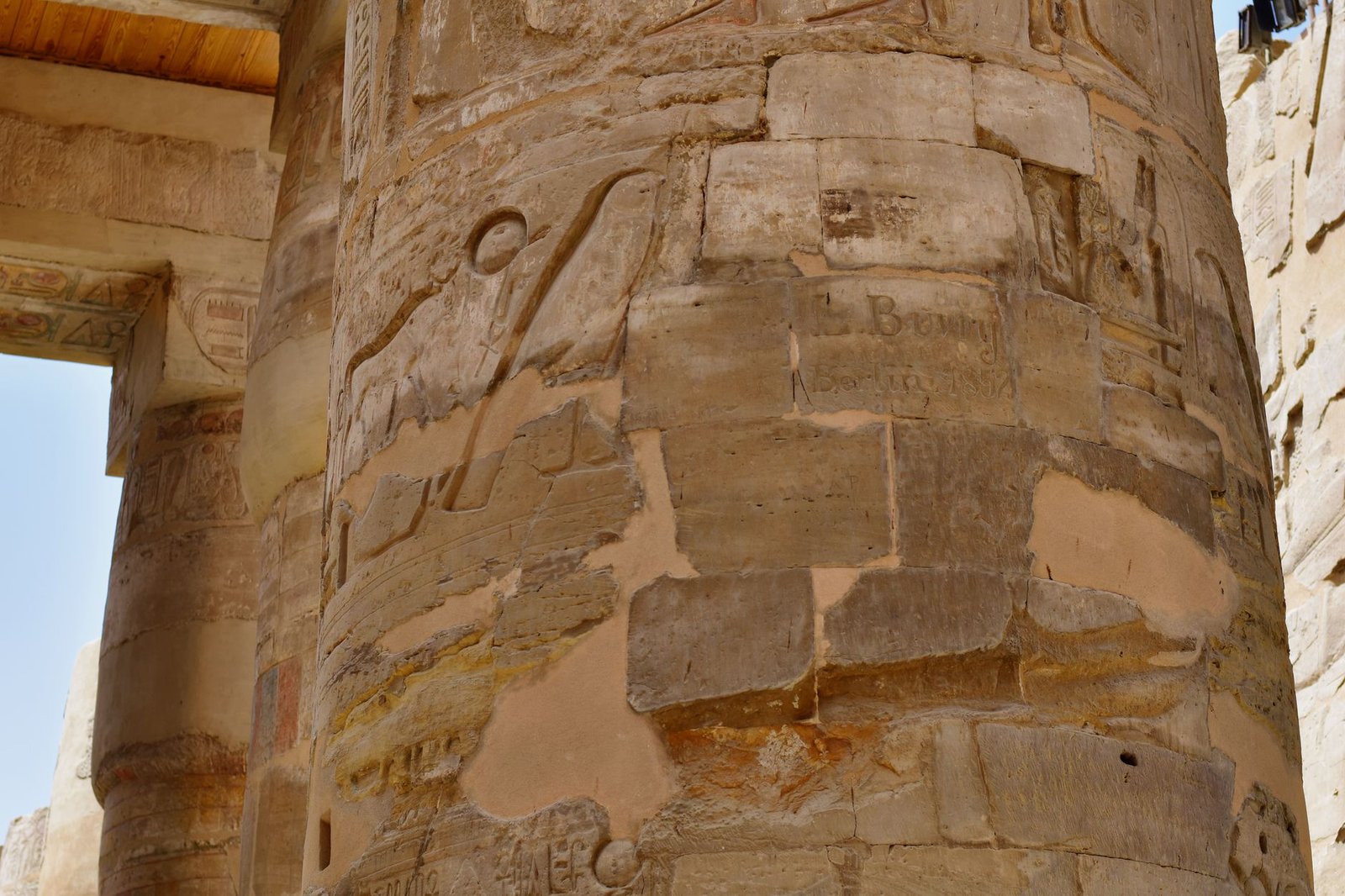
Cadmus and the Founding of Thebes in Greek Mythology
Cadmus and the founding of Thebes lies at the heart of one of Greek mythology’s most enduring foundation stories, in which a Phoenician prince becomes the legendary builder of a major Boeotian city. His quest, the dragon he defeats, and the divine and dynastic consequences that follow reveal how the myth explains Thebes’s origins, cultural ties, and tragic royal legacy.

Niobe’s Tragedy: Greek Mythology and the Story of Niobe
Niobe’s tragedy tells of the Theban queen whose boastful claim to outshine Leto provokes Apollo and Artemis into killing her children, turning pride into unbearable grief. Central to Greek ideas of divine retribution and mortal limits, the myth endures as a powerful symbol of mourning, punishment, and the fragility of fortune.
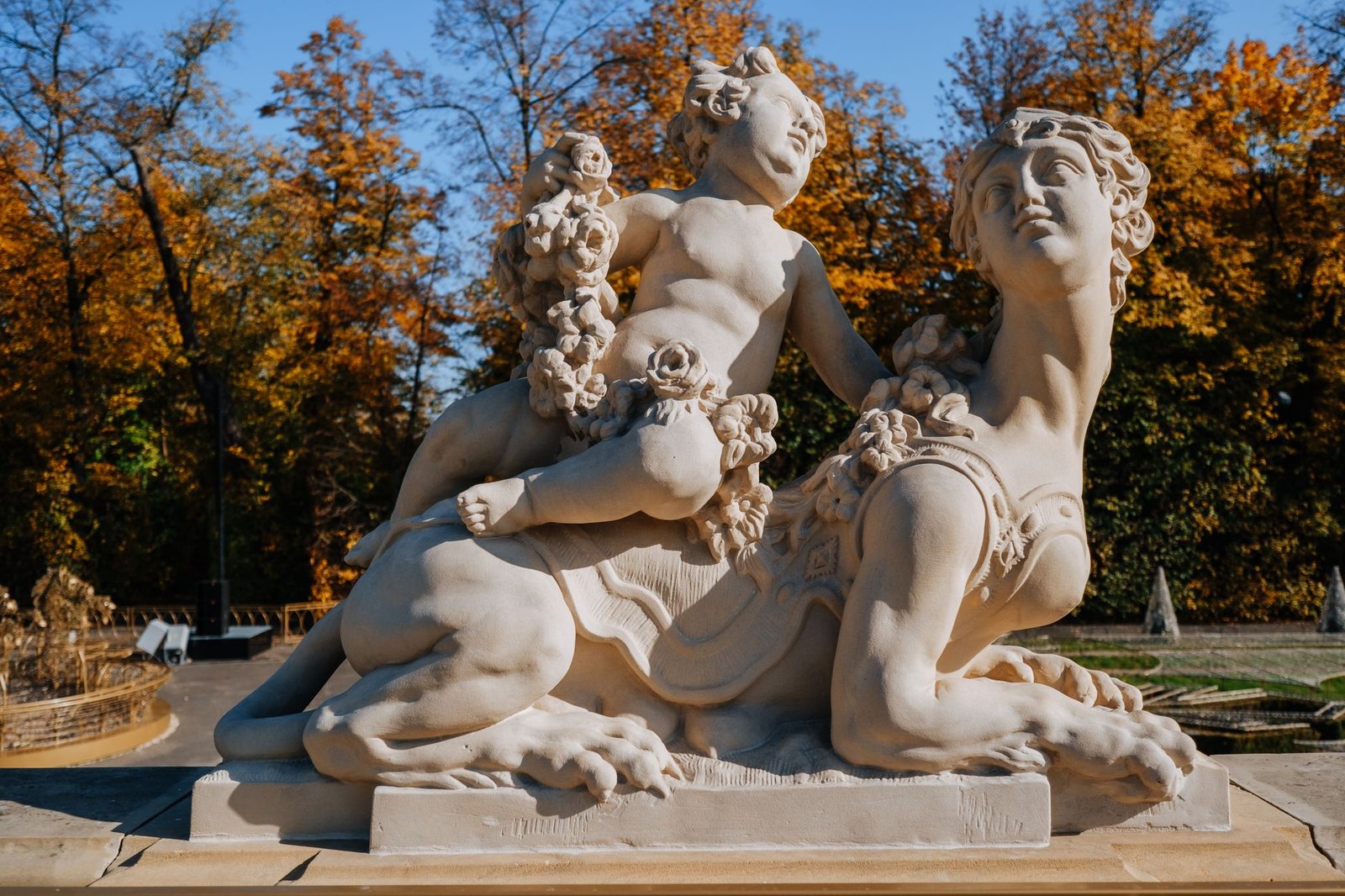
Oedipus and the Sphinx: Greek Myth and Story
Oedipus and the Sphinx is a defining episode in Greek mythology, uniting the Theban riddle, royal succession, and the tragic irony that follows Oedipus’s triumph. This article traces the myth’s literary sources, the symbolism of the Sphinx, and the larger themes of fate, identity, and human knowledge that made the story enduring.

Antigone and the Burial of Polynices: Greek Tragedy
Antigone and the burial of Polynices recount a decisive clash between family loyalty, divine obligation, and the authority of the state in the Theban cycle of Greek myth. Best known from Sophocles’ *Antigone*, the episode invites readers to consider why her defiance mattered, how Polynices became a symbol of contested honor, and why the story still resonates.
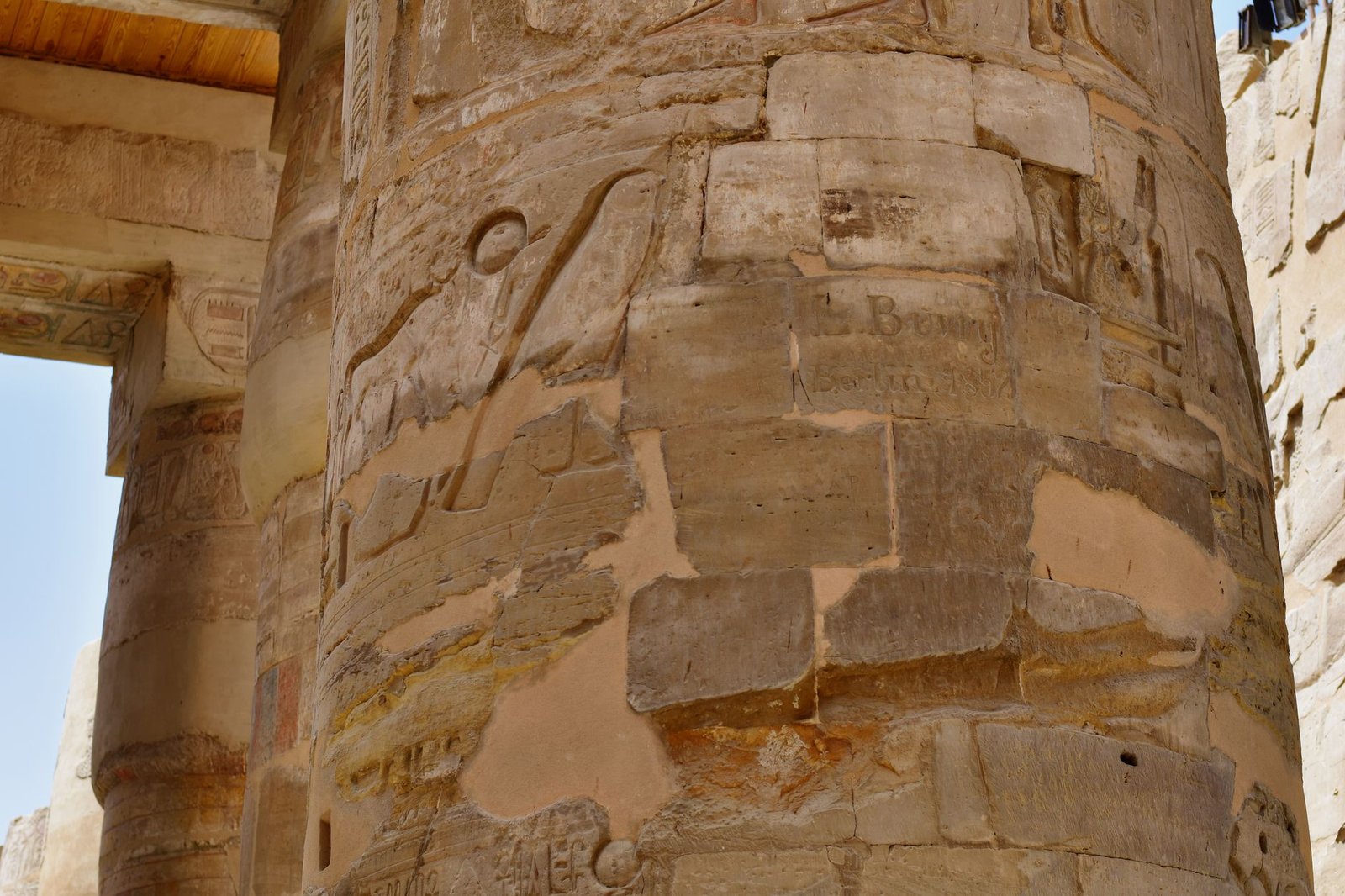
The Seven Against Thebes: Summary and Mythology
The Seven Against Thebes is a foundational myth of Greek literature, telling how Polynices assembled six champions to reclaim Thebes from his brother Eteocles amid a destructive family curse. Best known through Aeschylus’ tragedy, the story blends political rivalry, divine omens, and civic duty, offering a tense prelude to one of mythology’s most famous battles.
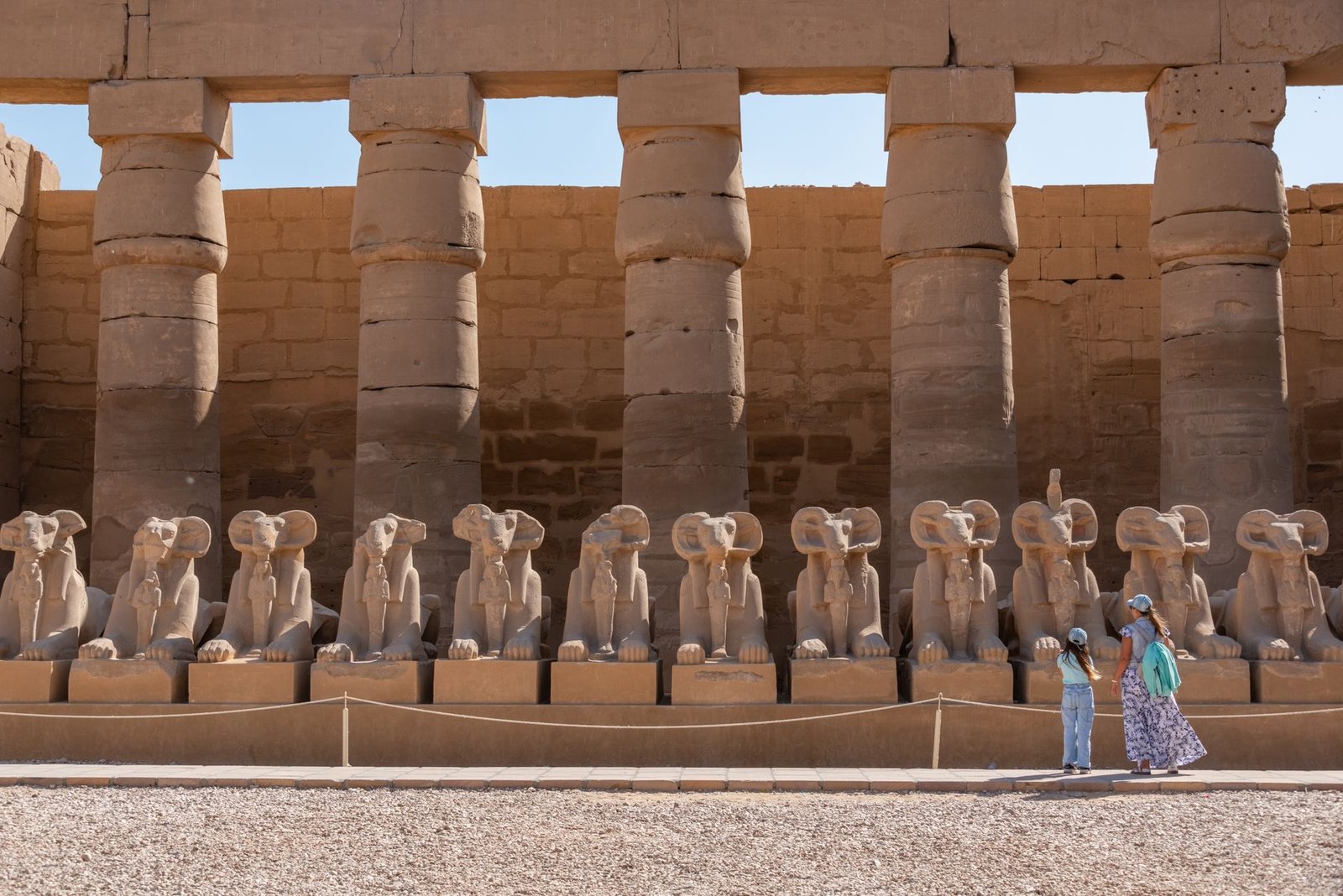
Who Is Amun in Egyptian Mythology? Origins and Meaning
Who is Amun in Egyptian mythology? A god of hidden power and royal authority, Amun rose from a local Theban deity to one of ancient Egypt’s chief divine figures, later joined with Ra as Amun-Ra. This excerpt traces his meanings, cult, and political influence, revealing why his worship shaped Egyptian religion and kingship for centuries.
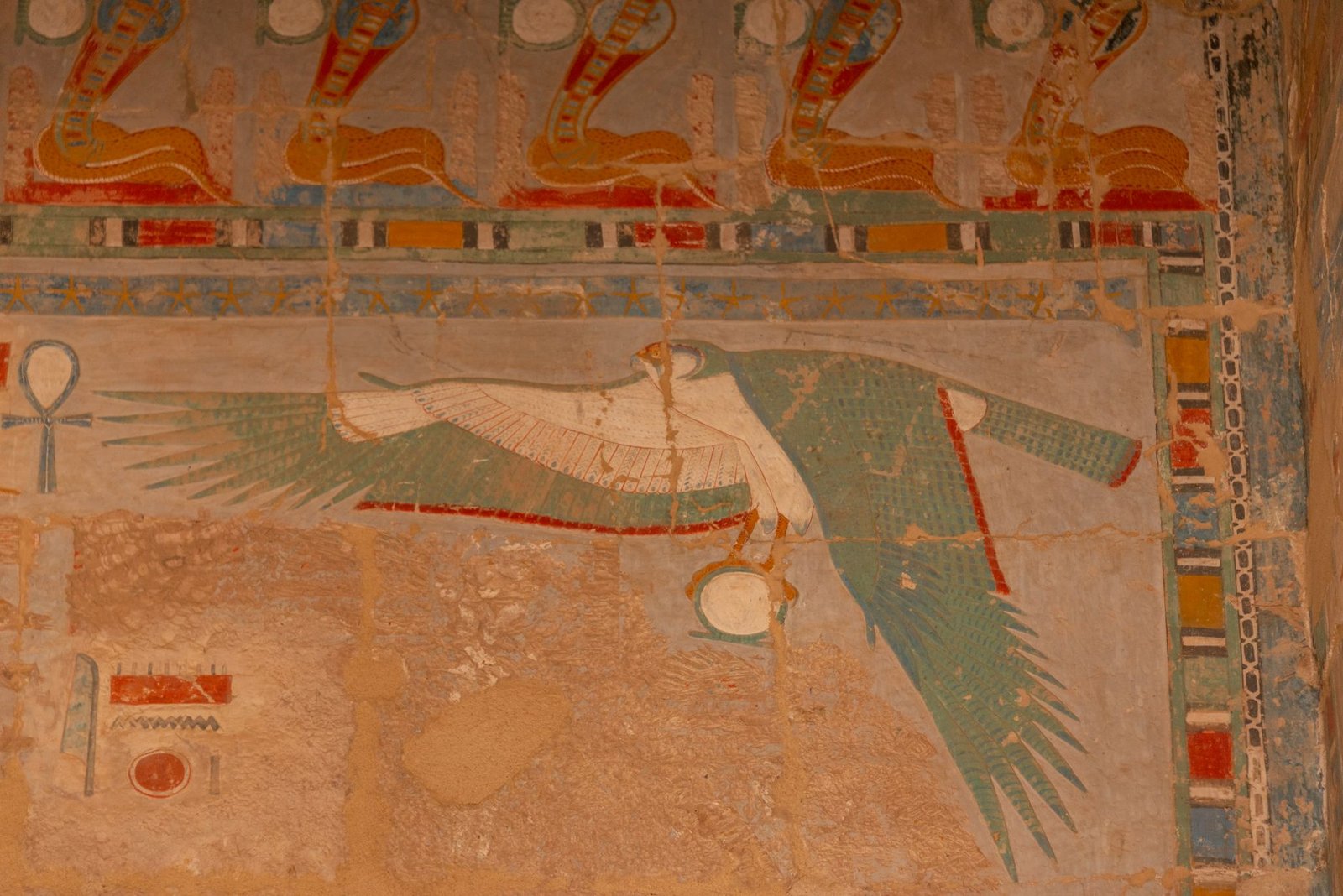
Who Is Mut in Egyptian Mythology? An Encyclopedia Guide
Mut, one of the most important goddesses in ancient Egyptian religion, was revered as a mother figure, royal protector, and powerful divine presence in Thebes. To understand who is Mut in Egyptian mythology is to trace how a goddess of motherhood became a central force in the Theban triad with Amun and Khonsu, and how her role evolved across Egyptian history.
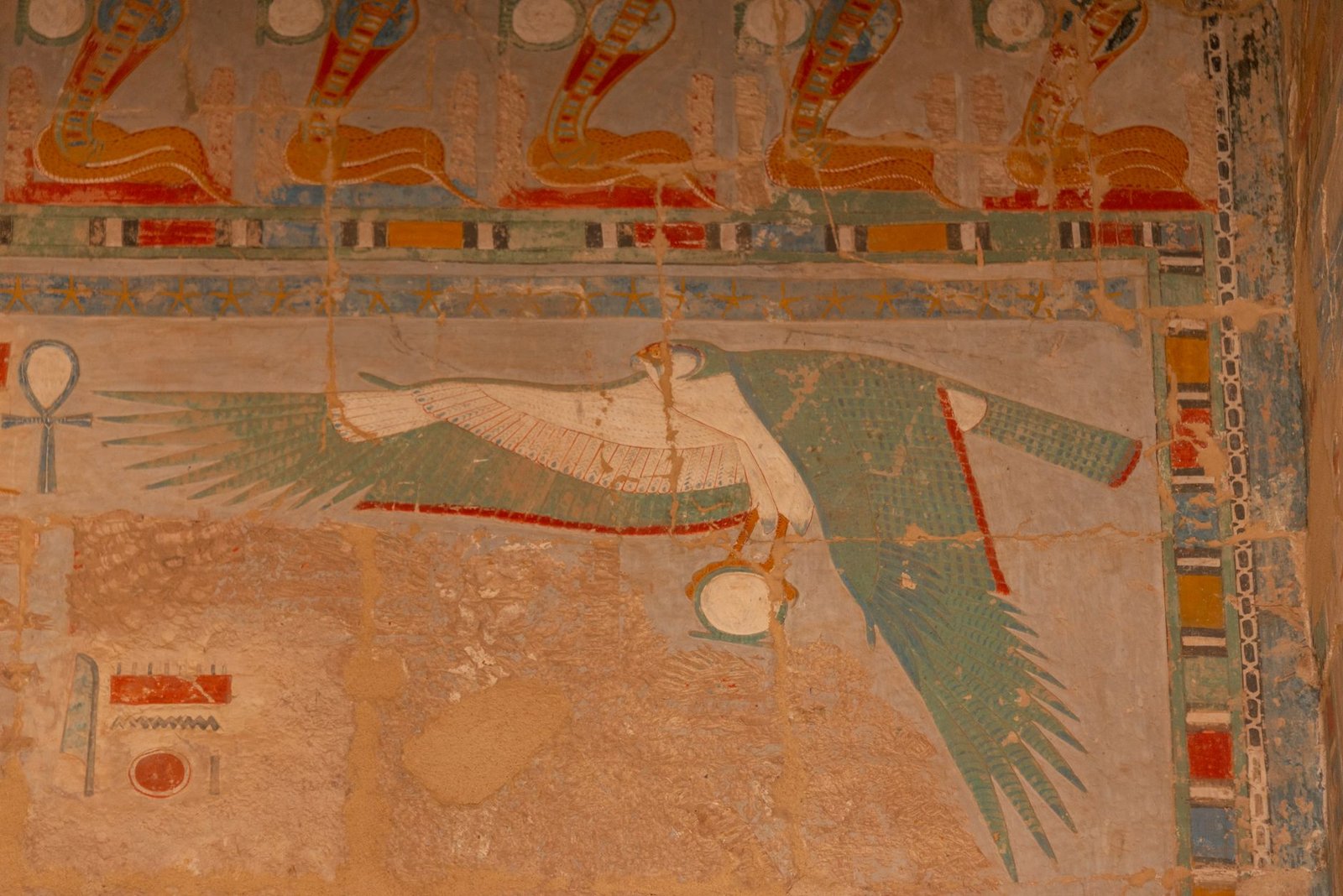
Who Is Meretseger in Egyptian Mythology?
Meretseger in Egyptian mythology was the local goddess of the Theban necropolis, revered as “She Who Loves Silence” and feared as a guardian of tombs and sacred desert spaces. This excerpt explores her origins at Deir el-Medina, her role in punishing wrongdoing and granting healing, and why her cult reveals the close link between landscape, morality, and the dead in ancient Egypt.
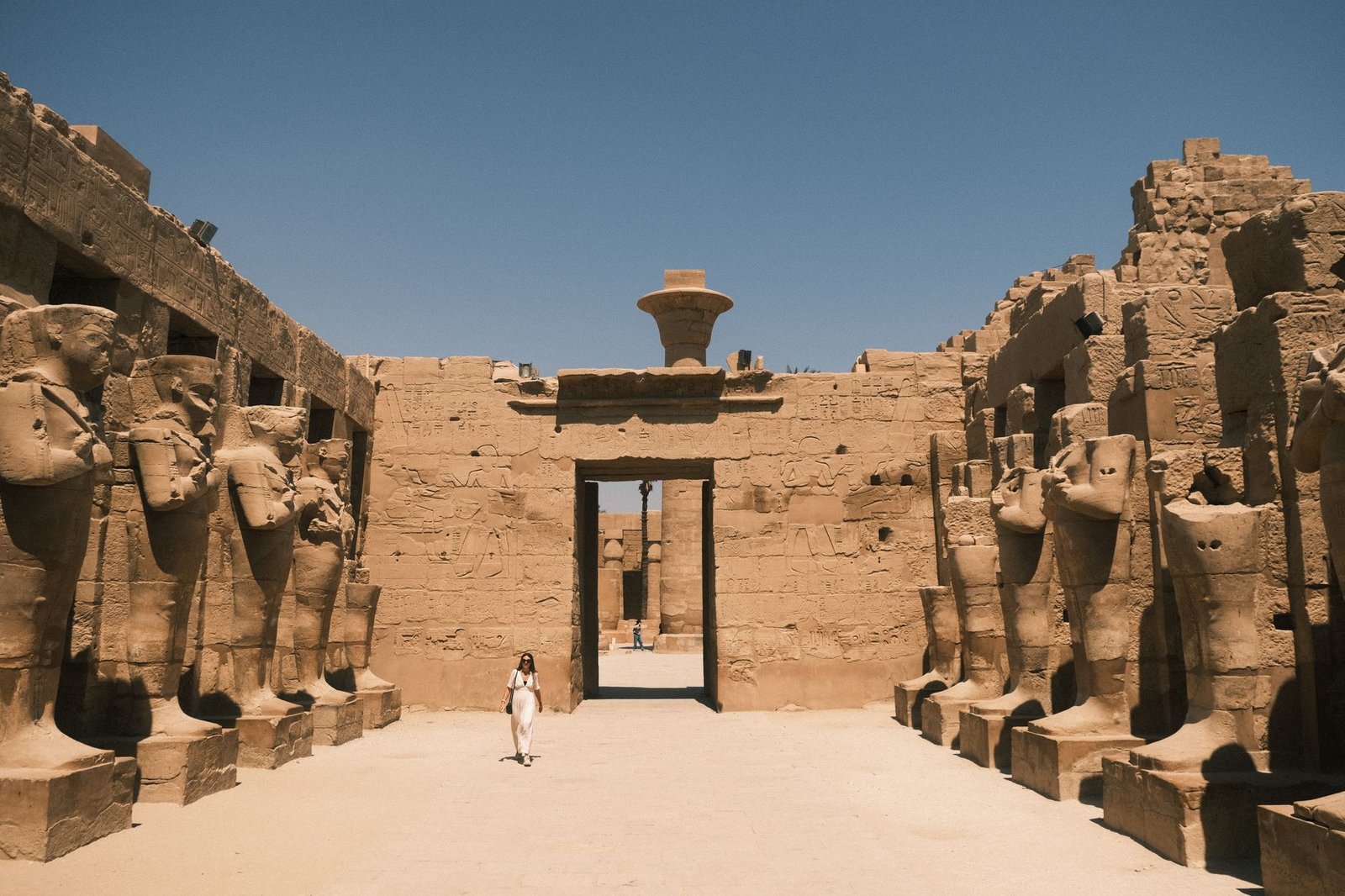
Who Is the King of the Egyptian Gods? A Clear Answer
In ancient Egyptian religion, the question of who is the king of the Egyptian gods usually points to Amun-Ra, the powerful fusion of Amun and Ra that came to symbolize divine kingship in the New Kingdom. Yet the answer shifts with time, place, and theology, revealing a complex pantheon where solar creation, hidden power, and royal legitimacy were often intertwined.
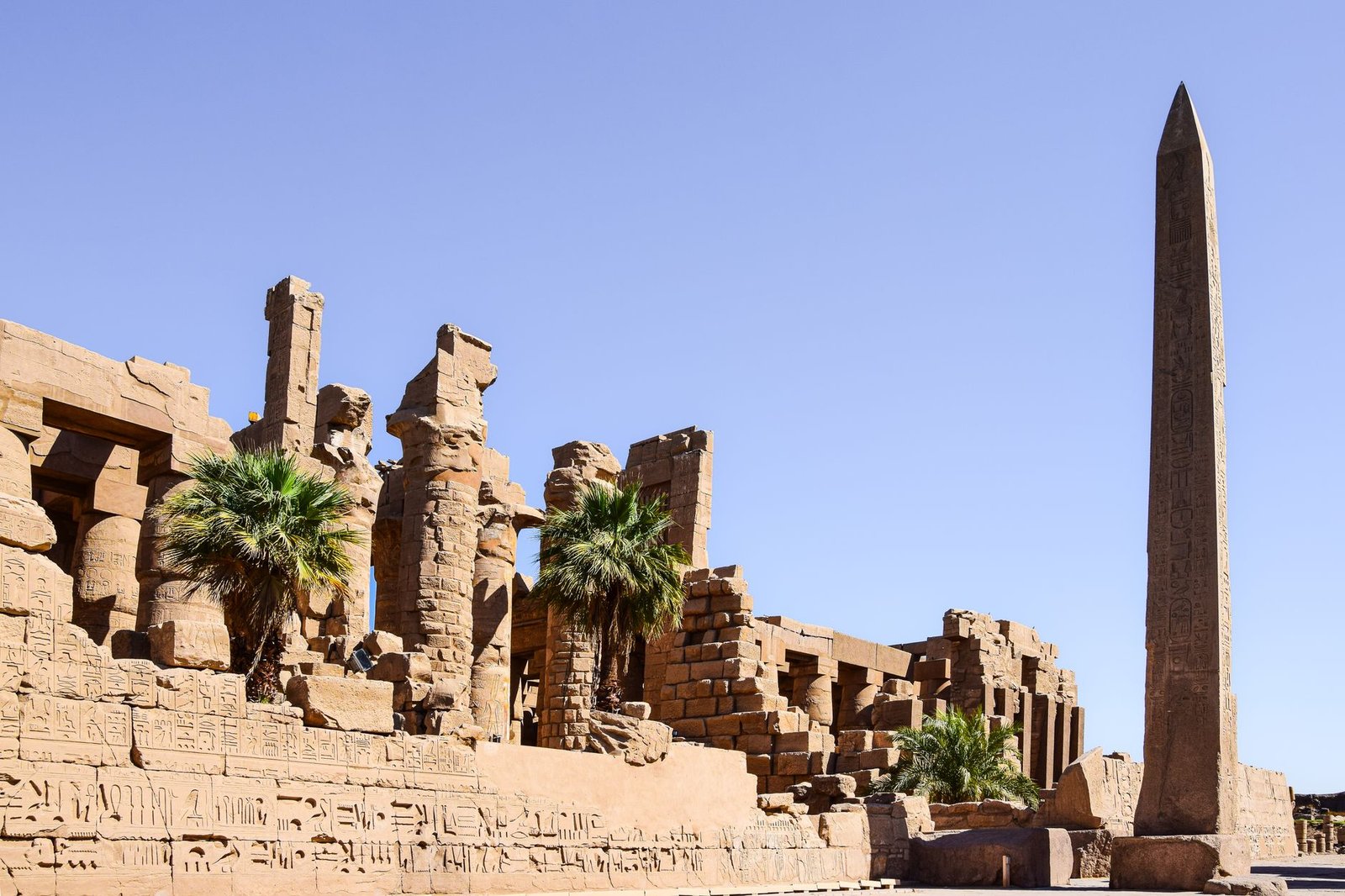
What Is the Difference Between Amun and Amun-Ra?
The difference between Amun and Amun-Ra lies in Egyptian religious development: Amun began as the hidden god of Thebes, linked to air and kingship, while Amun-Ra emerged when he was fused with Ra, the sun god. Exploring this transformation reveals how ancient Egyptians blended divine powers and reshaped major deities without abandoning earlier beliefs.