Upper Egypt
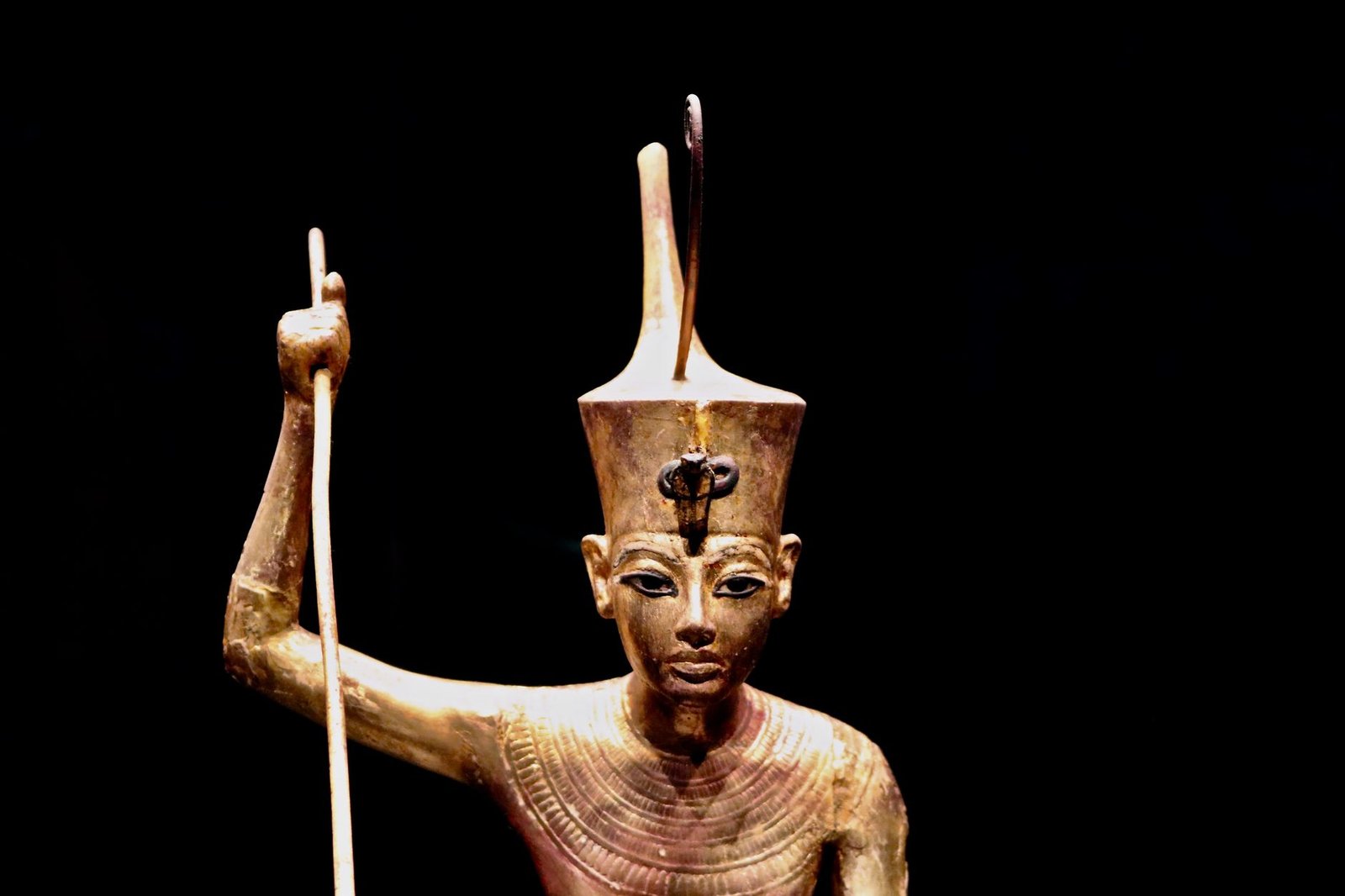
What Is the White Crown of Egypt in Egyptian Mythology
The white crown of Egypt, or hedjet, was the ancient emblem of Upper Egypt and a potent symbol of kingship, divine authority, and sacred protection in Egyptian mythology. Its role in royal iconography, religious scenes, and the later double crown reveals how Egyptians linked political power with cosmic order and unification.
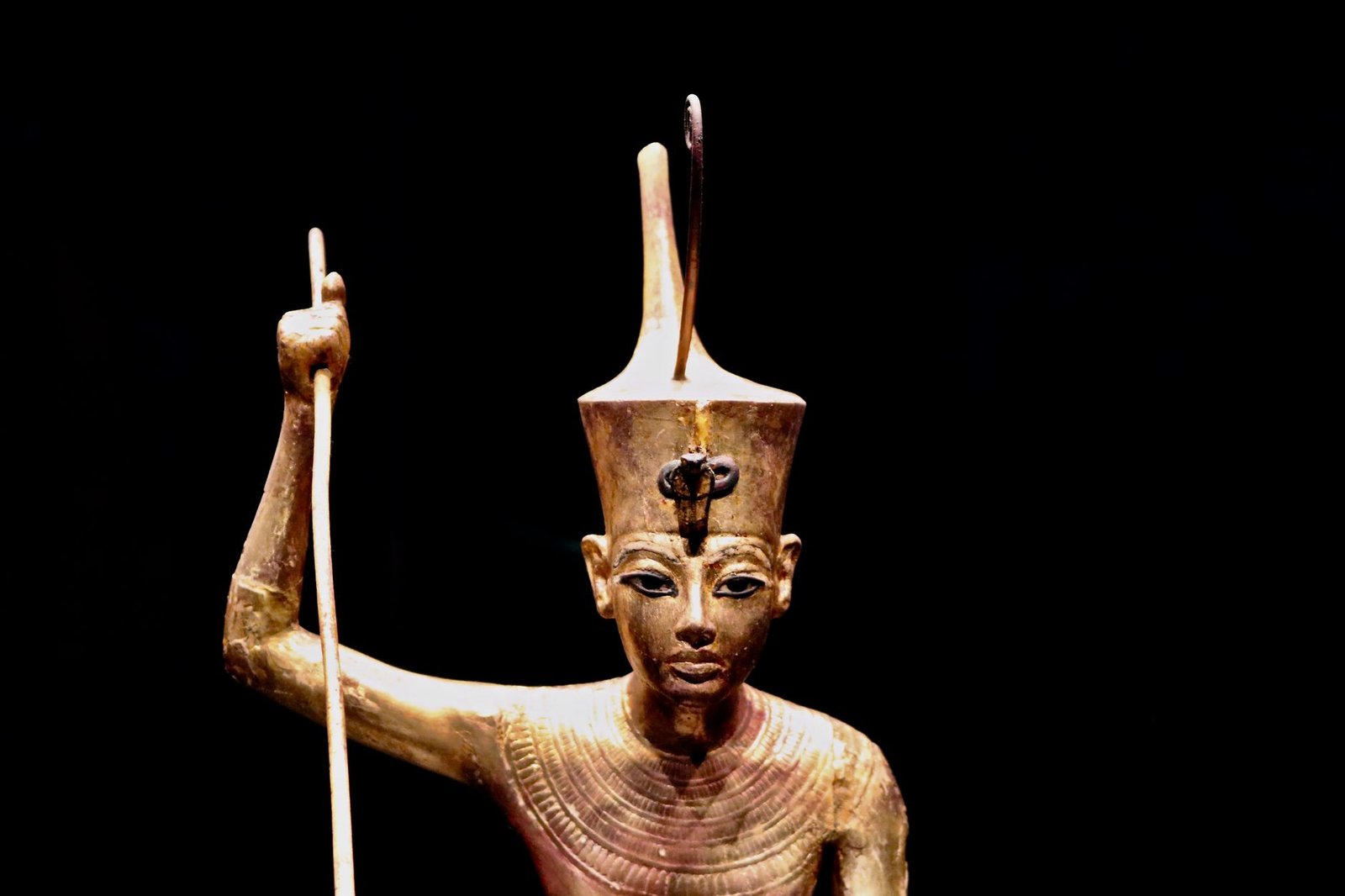
What Is the Double Crown of Egypt in Egyptian Mythology
The **double crown of Egypt** was the emblem of pharaonic rule over Upper and Lower Egypt, combining the white and red crowns into a single sign of unity, authority, and cosmic balance. In Egyptian mythology, it also reflected the king’s sacred duty to preserve *ma’at*—yet its deeper origins and symbolism reveal far more than a royal headdress.
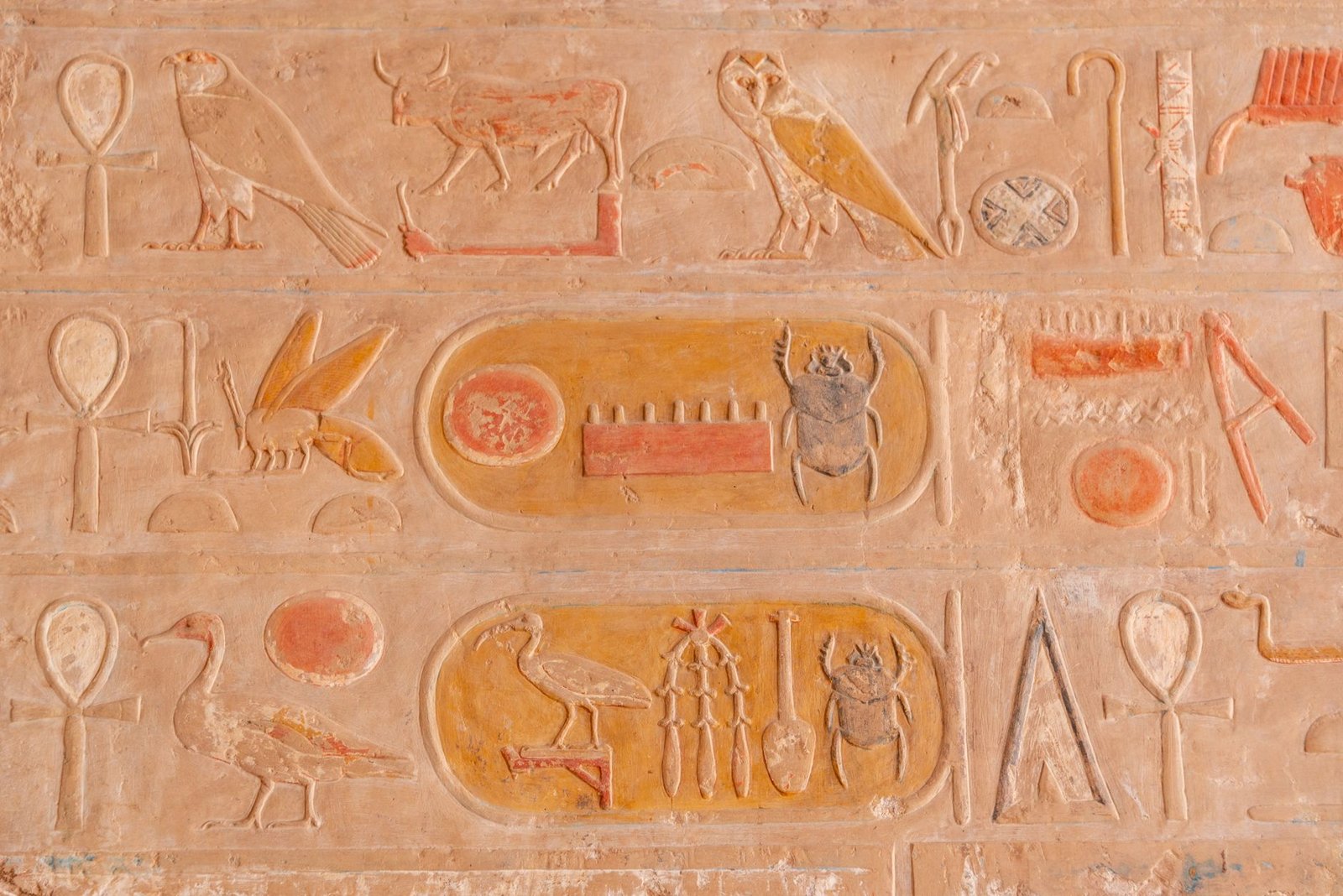
What Does the Sedge Plant Symbolize in Egyptian Mythology?
In Egyptian mythology, the sedge plant symbolizes Upper Egypt, kingship, and the king’s rightful authority, appearing most famously beside the bee in the emblem of unified rule. This article explores how such a simple plant became a powerful sign of political legitimacy, order, and the sacred geography of ancient Egypt.
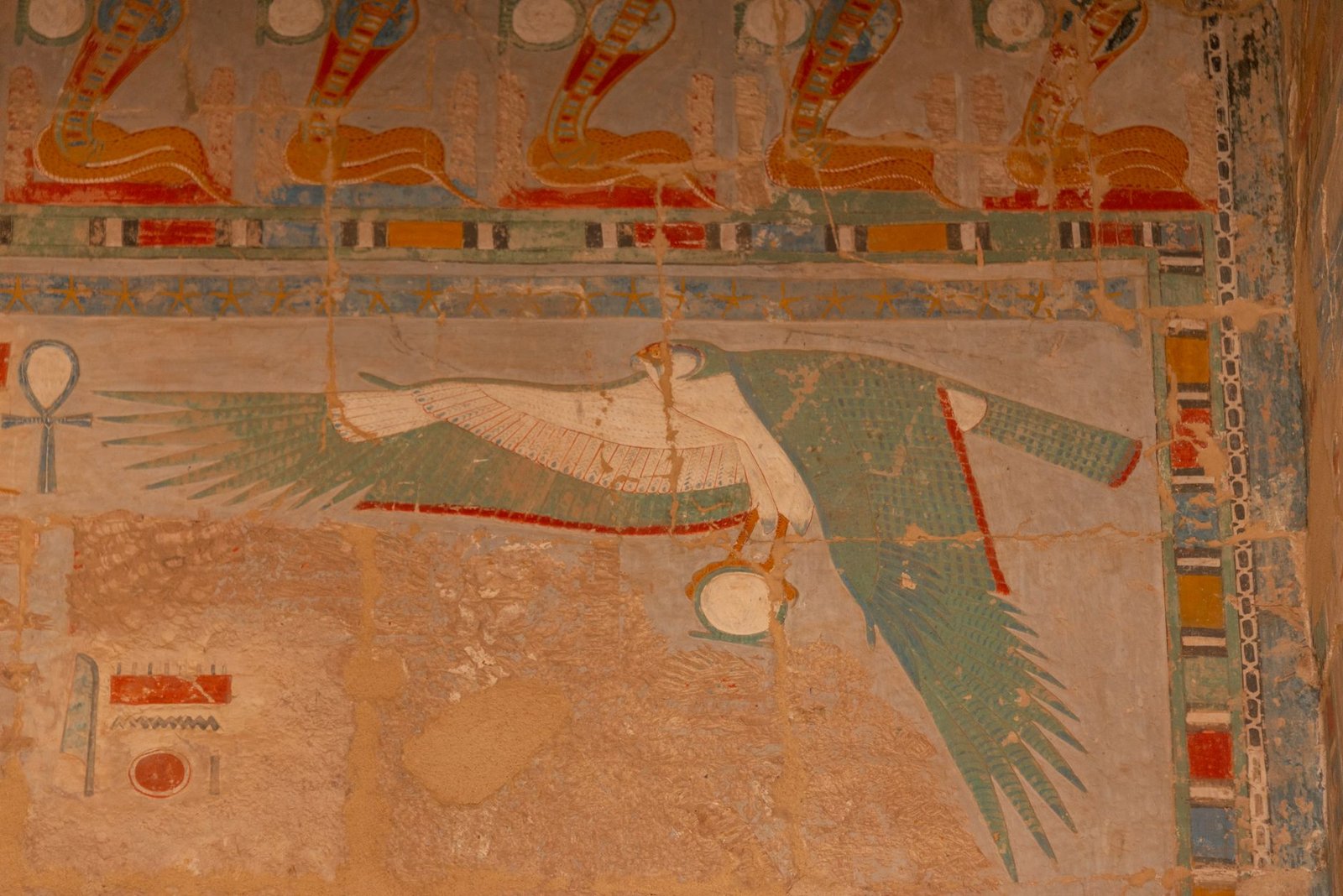
Who Is Anhur in Egyptian Mythology? God of War Explained
Anhur in Egyptian mythology is a warlike sky deity whose cult grew from Upper Egypt, where he was honored as a divine defender, royal patron, and symbol of order. His evolving role, later merging with other gods and acquiring new meanings, reveals how Egyptian religion adapted over centuries and why his identity remains intriguingly complex.
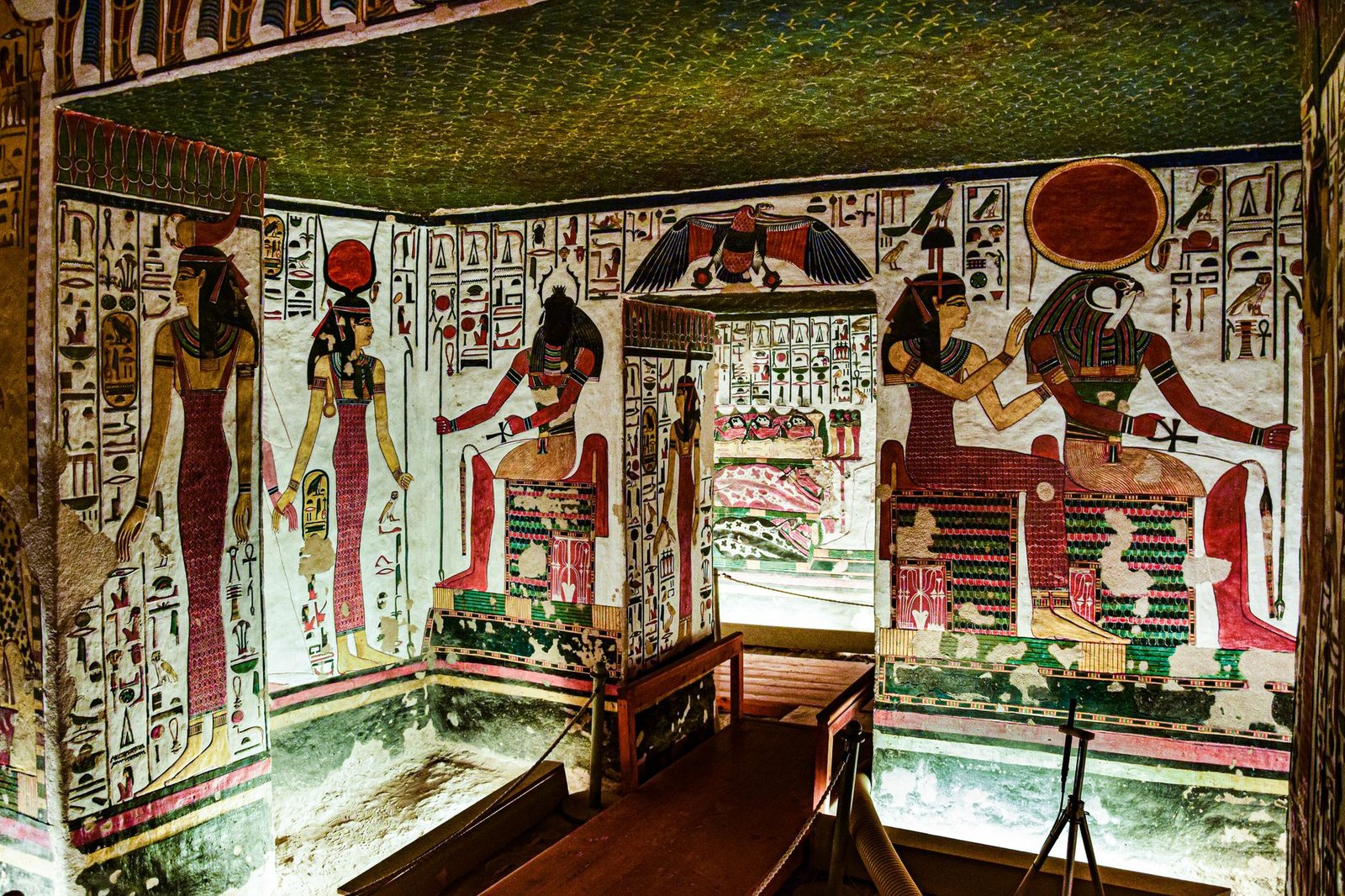
Who Is Min in Egyptian Mythology? Facts and Origins
Min is one of the oldest gods in Egyptian mythology, associated with fertility, virility, vegetation, and the life-giving force of renewal. Known for his striking iconography and enduring cult in Upper Egypt, he reveals how the Egyptians linked kingship, agriculture, and sacred power—yet his origins and deeper significance invite closer examination.
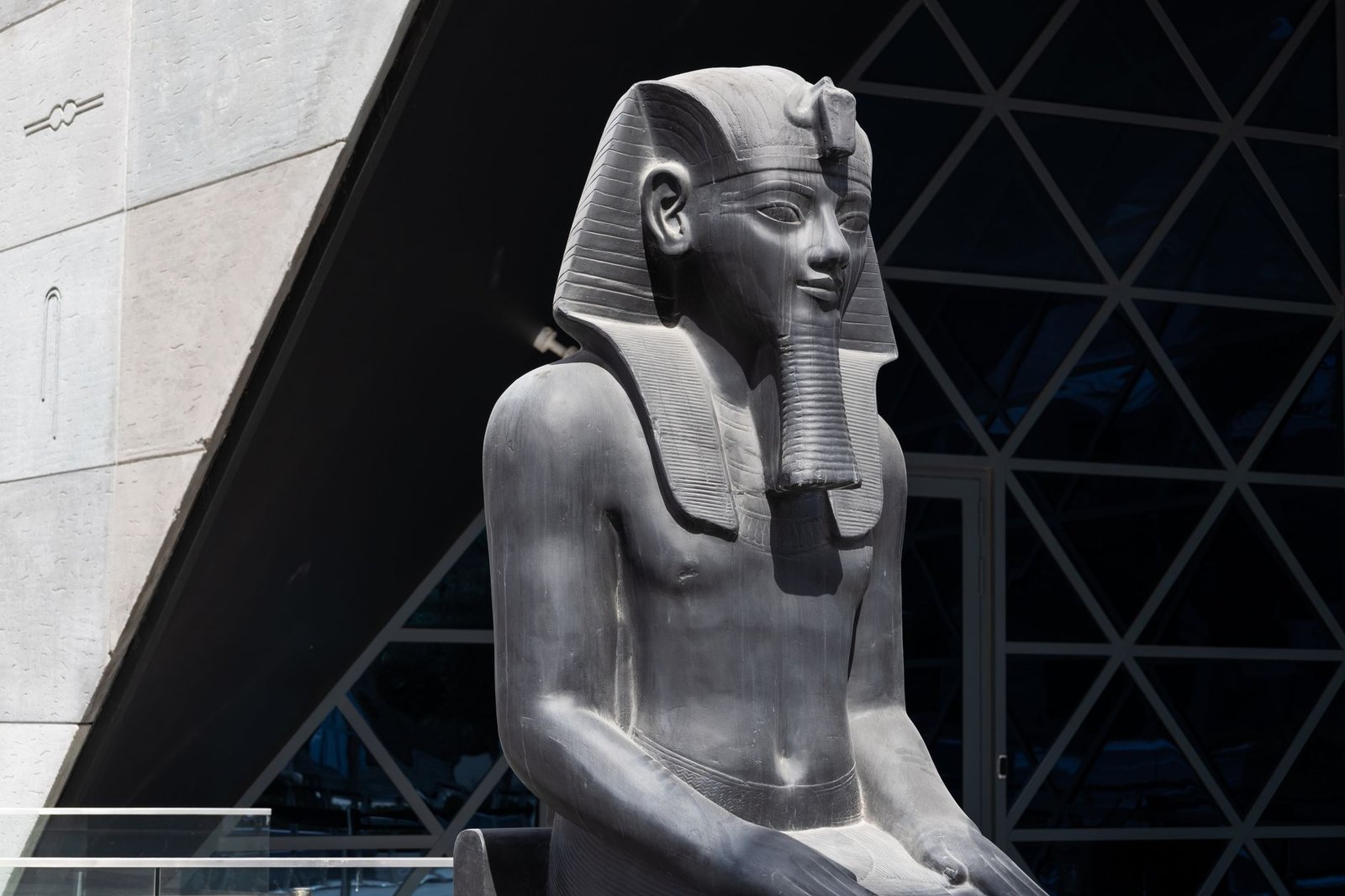
Who Is Satet in Egyptian Mythology? Role, History, and Meaning
Who is Satet in Egyptian mythology? Satet is an ancient goddess of the southern frontier, worshipped especially at Elephantine near Aswan as a guardian of the Nile, a bringer of the inundation, and a protective archer linked to purification and boundary defense. Her long history reveals how a local deity became part of the Elephantine triad with Khnum and Anuket, reflecting Egypt’s ties to Nubia and the sacred geography of Upper Egypt.
Who Is Wepwawet in Egyptian Mythology?
Wepwawet in Egyptian mythology is a jackal-headed deity associated with warfare, royal authority, funerary rites, and the opening of paths, guiding kings and the dead through perilous journeys. Often linked to Upper Egypt and the city of Asyut, he is distinct from Anubis and reveals how Egyptians connected protection, movement, and power in both life and the afterlife.