Ancient Egypt
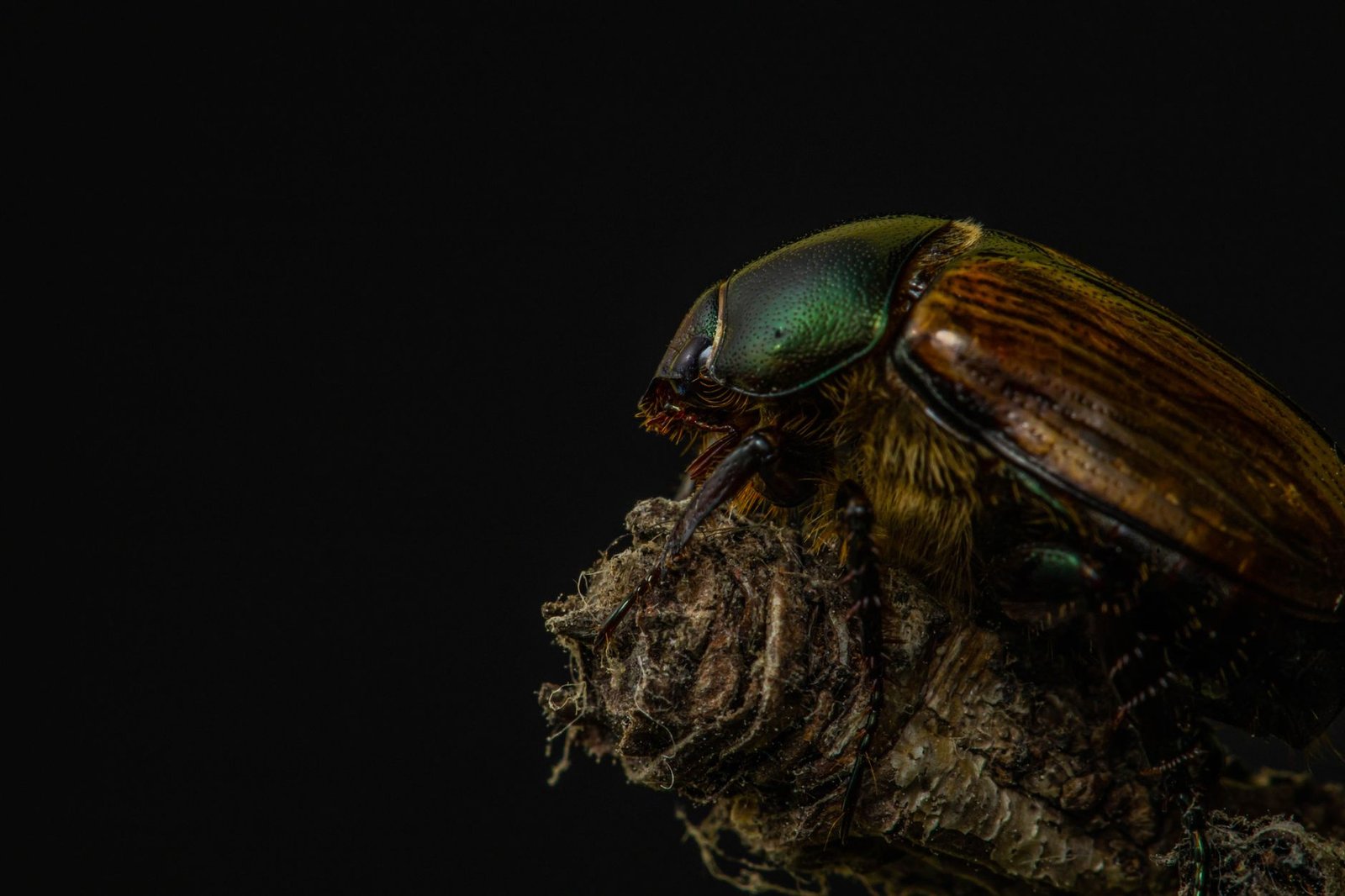
Scarab Beetle Symbolism in Egyptian Mythology Explained
In Egyptian mythology, the scarab beetle symbolizes rebirth, transformation, protection, and the daily renewal of the sun, especially through its link to the god Khepri. This excerpt explores how a simple creature became a powerful emblem of creation, the afterlife, and divine order, revealing why its image endured across temples, tombs, and amulets.

What Is the Tyet Knot in Egyptian Mythology?
The tyet knot is an ancient Egyptian symbol of protection, healing, and rebirth, closely linked to Isis and especially prominent in funerary religion. This concise emblem, whose origins may lie in everyday knots or ritual textiles, invites a deeper look at how Egyptians transformed ordinary forms into sacred power.
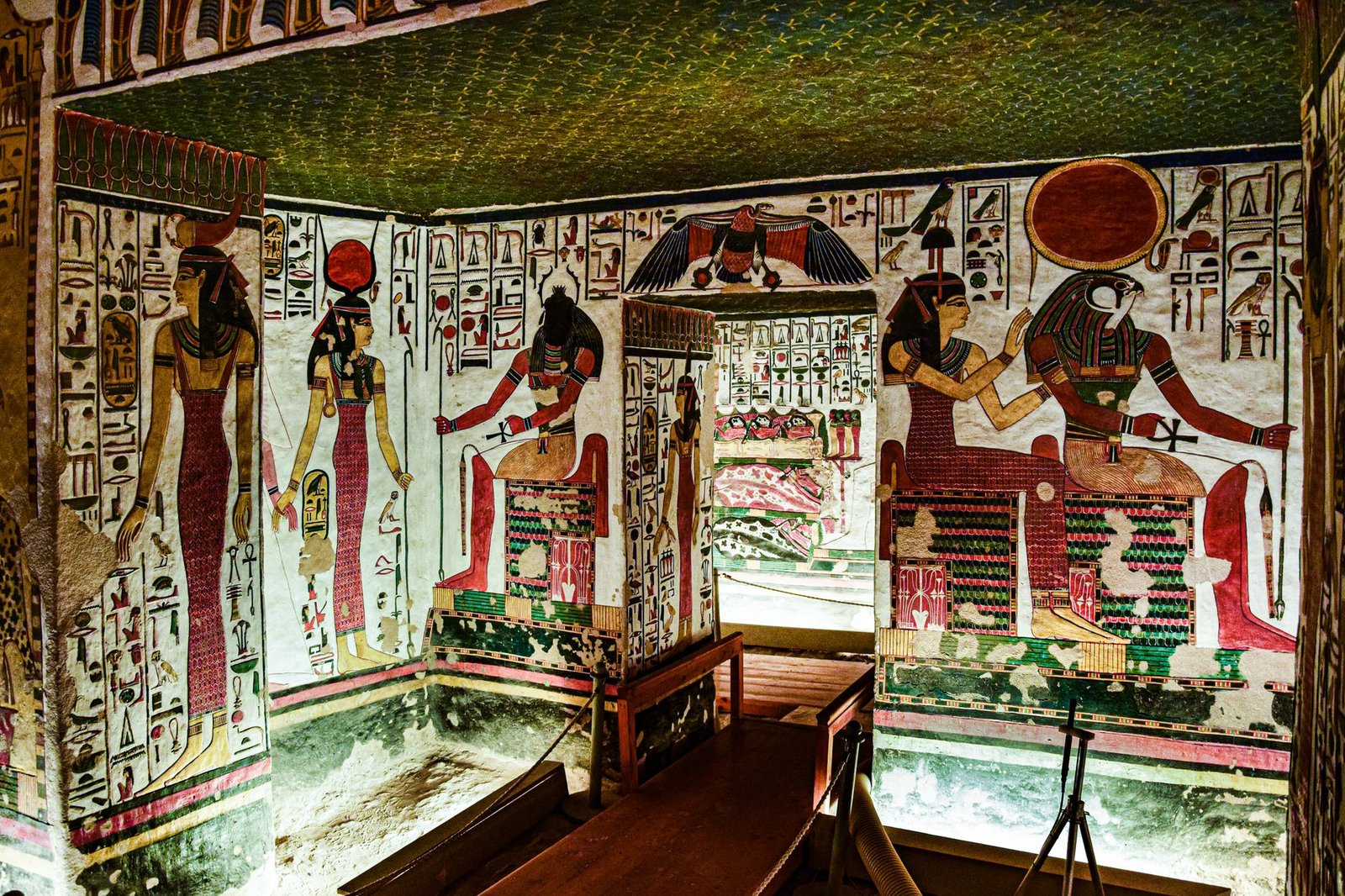
What Is the Shen Ring in Egyptian Mythology?
The shen ring in Egyptian mythology is a powerful symbol of eternity, protection, and completeness, recognized by its enclosed circular form. More than a decorative motif, it appears in royal and divine contexts, where its meaning reveals how ancient Egyptians linked visual symbols with sacred power and cosmic order.
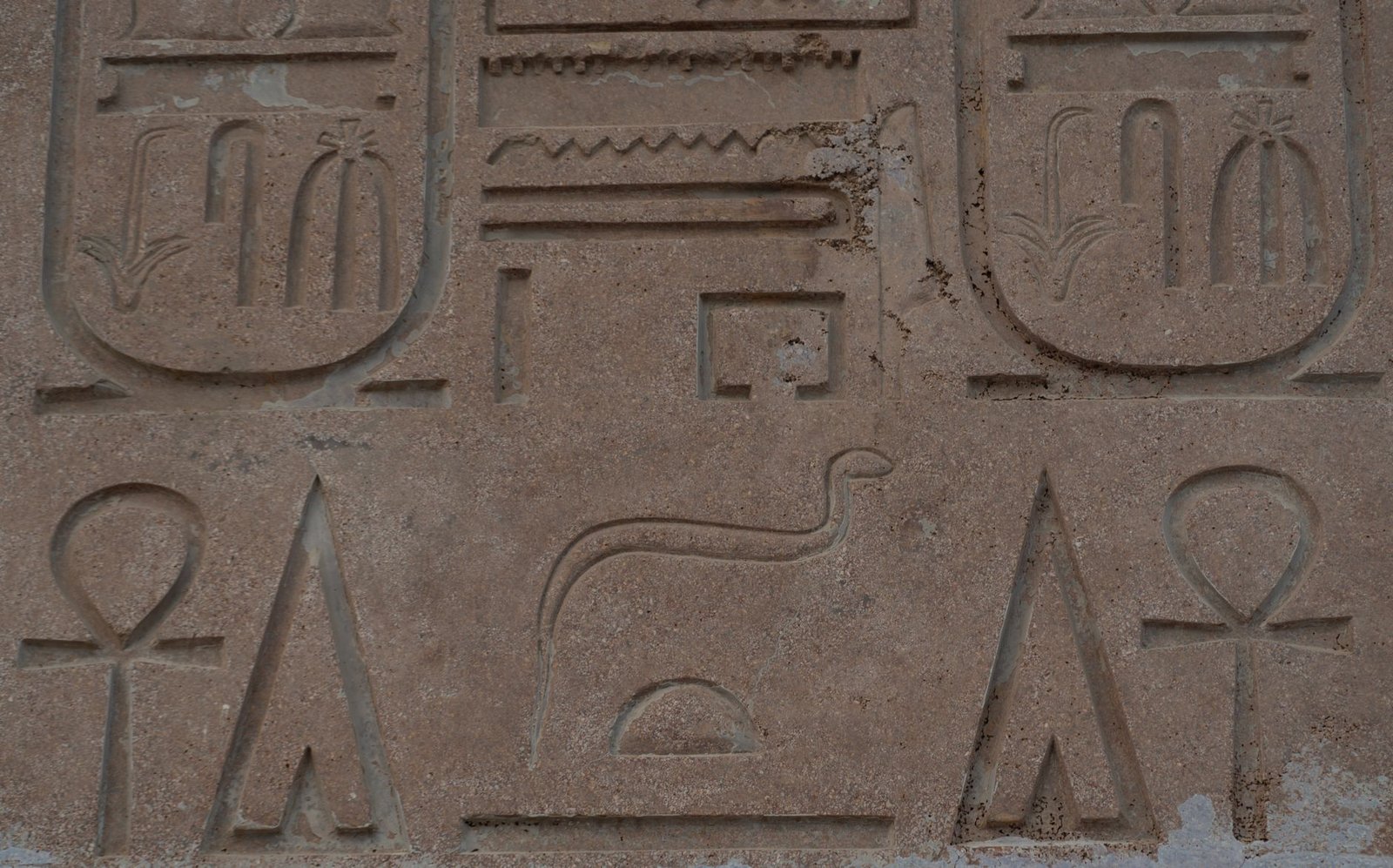
What Do the Crook and Flail Symbolize in Egyptian Mythology?
The crook and flail symbolize what do the crook and flail symbolize in Egyptian mythology: a balanced ideal of kingship in which the ruler protects, guides, and sustains the people while also enforcing order and fertility. Most closely associated with Osiris and royal iconography, these emblems reveal how Egyptian authority fused pastoral care with divine power.
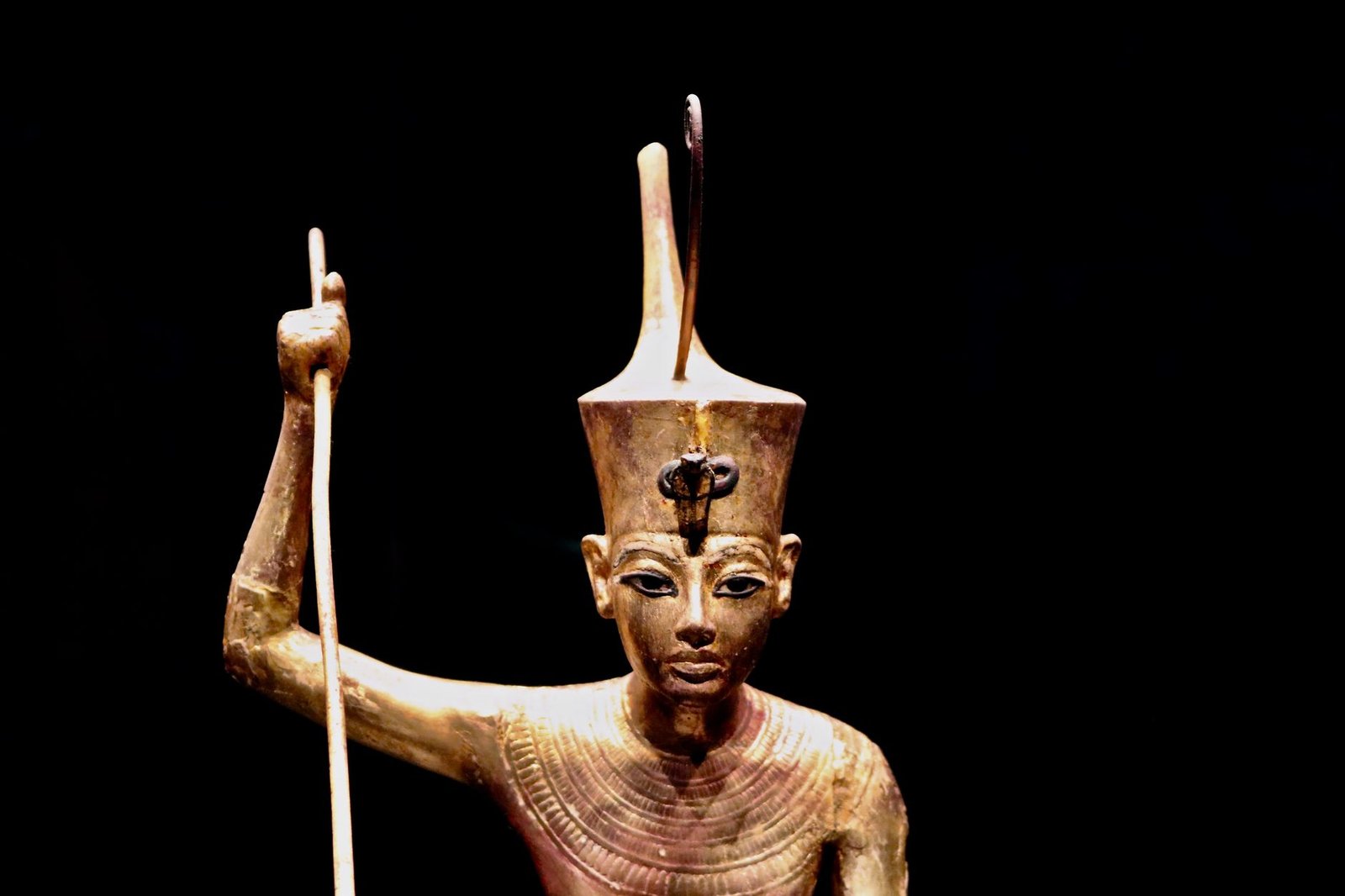
What Is the White Crown of Egypt in Egyptian Mythology
The white crown of Egypt, or hedjet, was the ancient emblem of Upper Egypt and a potent symbol of kingship, divine authority, and sacred protection in Egyptian mythology. Its role in royal iconography, religious scenes, and the later double crown reveals how Egyptians linked political power with cosmic order and unification.

What Is the Red Crown of Egypt in Egyptian Mythology
The red crown of Egypt, known as the Deshret, was the emblem of Lower Egypt and a powerful sign of kingship, sovereignty, and the unity of the Two Lands. Rooted in ancient ideas of the “red land,” it carries layered meanings of authority, desert power, and divine rule, inviting closer study of its place in Egyptian mythology and royal symbolism.
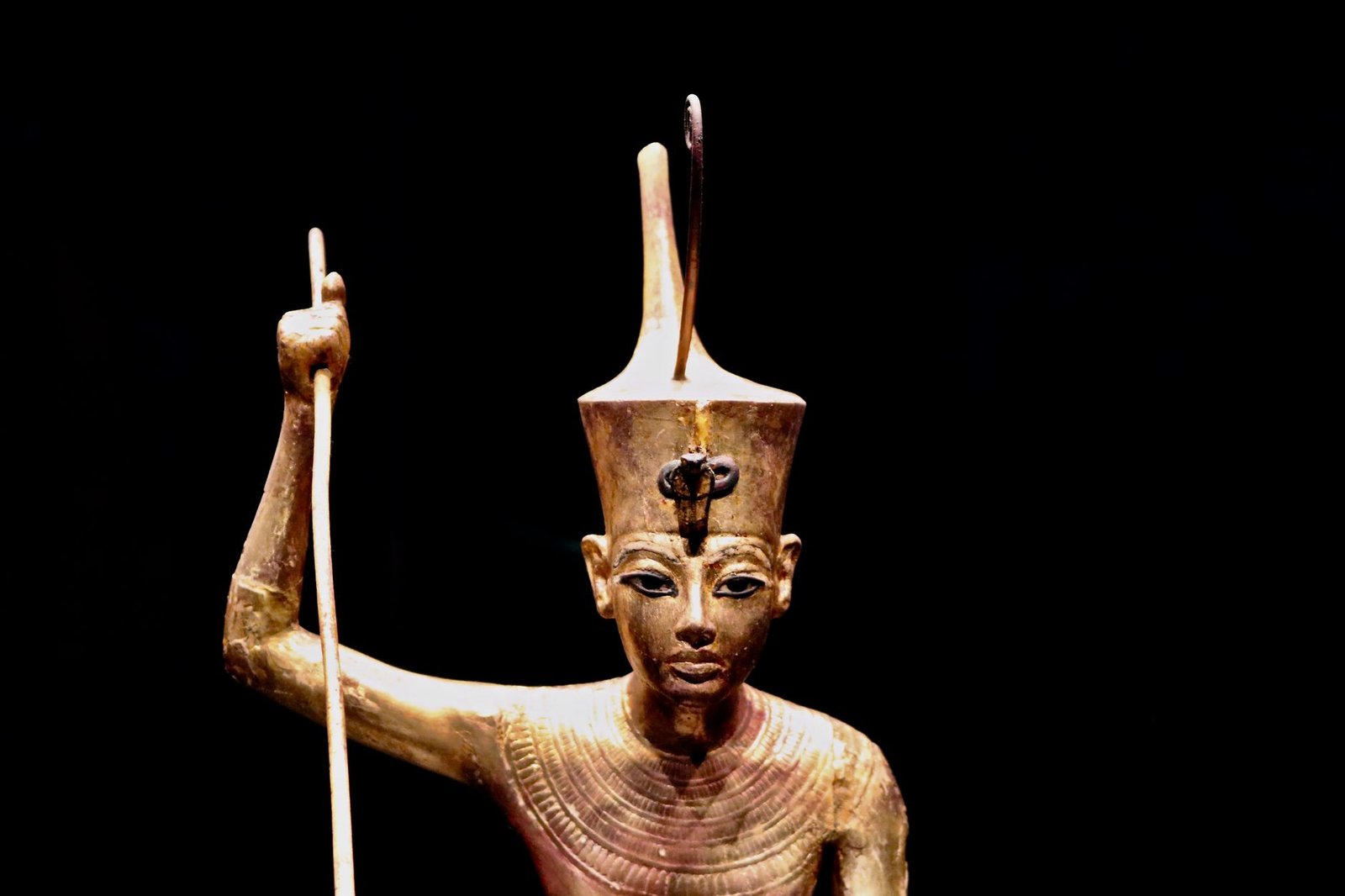
What Is the Double Crown of Egypt in Egyptian Mythology
The **double crown of Egypt** was the emblem of pharaonic rule over Upper and Lower Egypt, combining the white and red crowns into a single sign of unity, authority, and cosmic balance. In Egyptian mythology, it also reflected the king’s sacred duty to preserve *ma’at*—yet its deeper origins and symbolism reveal far more than a royal headdress.
What Is the Atef Crown in Egyptian Mythology?
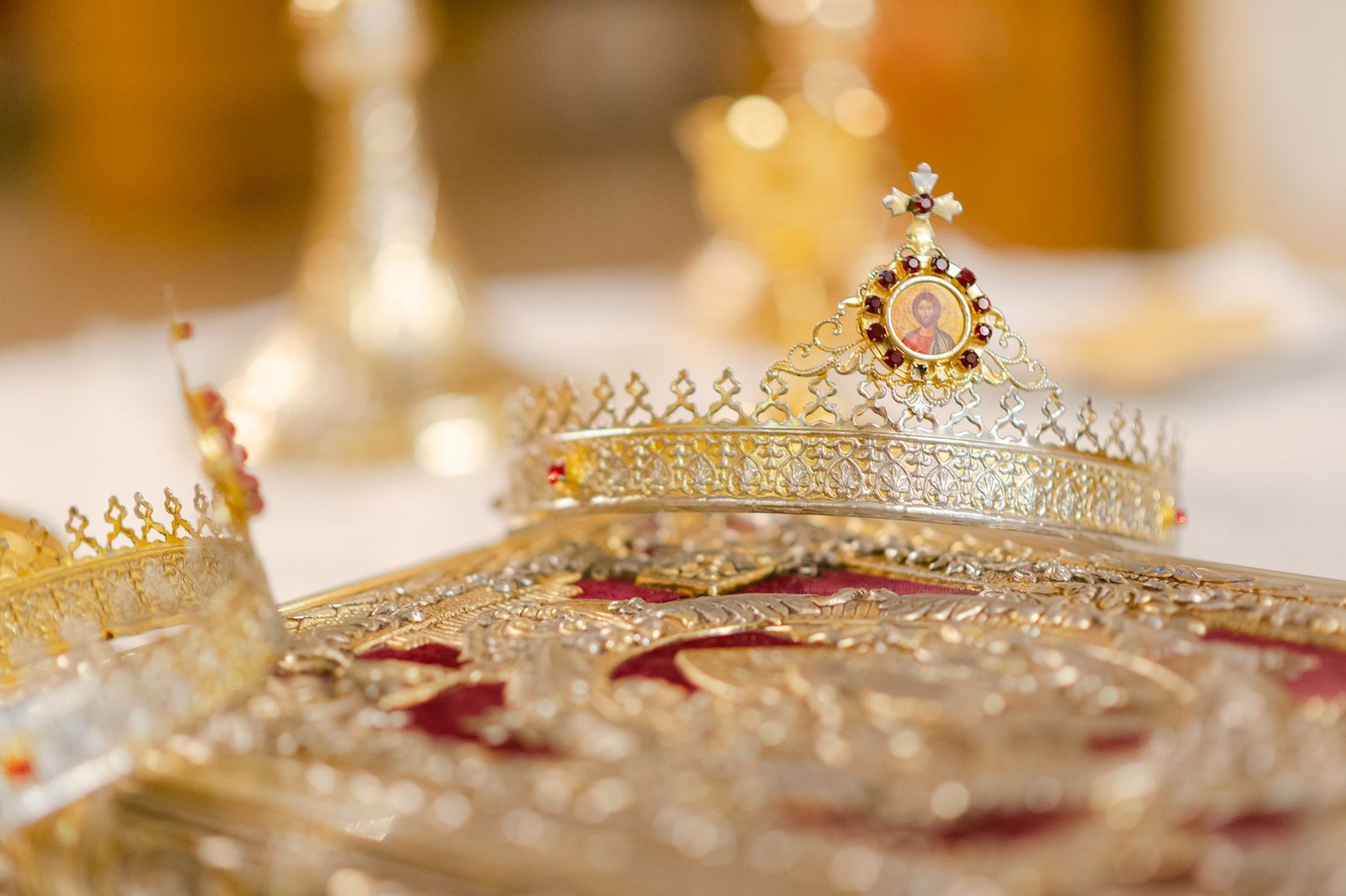
The Atef crown is a distinctive headdress in Egyptian mythology, most closely associated with Osiris and the themes of afterlife, kingship, and resurrection. This article explains its symbolic components, historical development, and appearance in temple and tomb art, revealing why it became such a powerful sign of divine authority and renewal.
What Is the Nemes Headdress in Egyptian Mythology?
The **Nemes headdress** is the striped royal headcloth most closely associated with pharaohs in ancient Egypt, where it signaled kingship, divine authority, and sacred legitimacy. In Egyptian mythology, it appears not as a deity but as a powerful emblem linking the ruler to Horus, Ra, and the afterlife, inviting a closer look at its ritual meaning.
What Is the Uraeus in Egyptian Mythology?
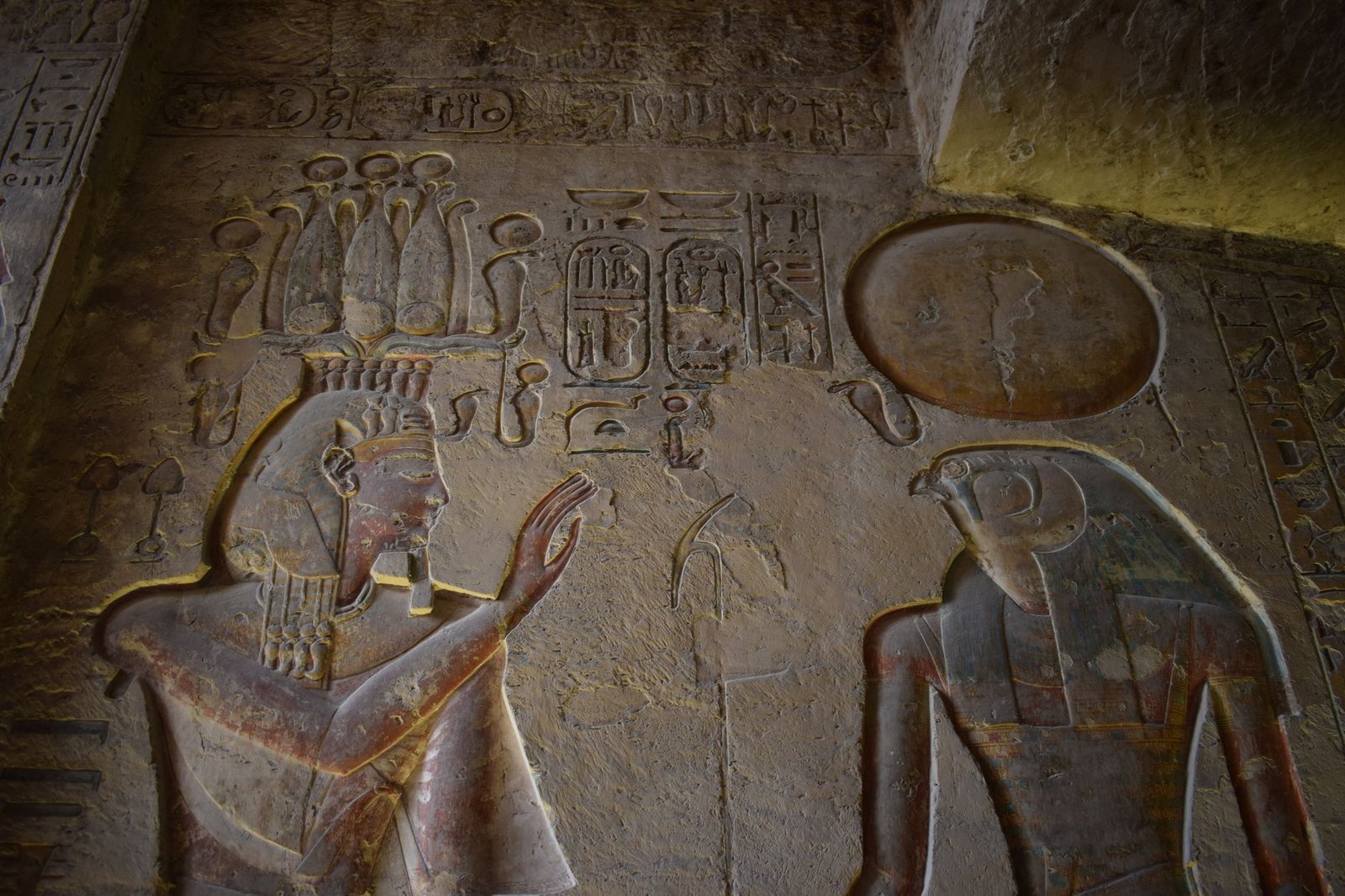
The uraeus in Egyptian mythology is the rearing cobra emblem associated with divine authority, royal protection, and the power to repel enemies, most often linked to the goddess Wadjet and the pharaoh’s crown. Its long history in art and ritual reveals how one small image came to express legitimacy, sacred power, and the close bond between rulers and the gods.