Ancient Egypt
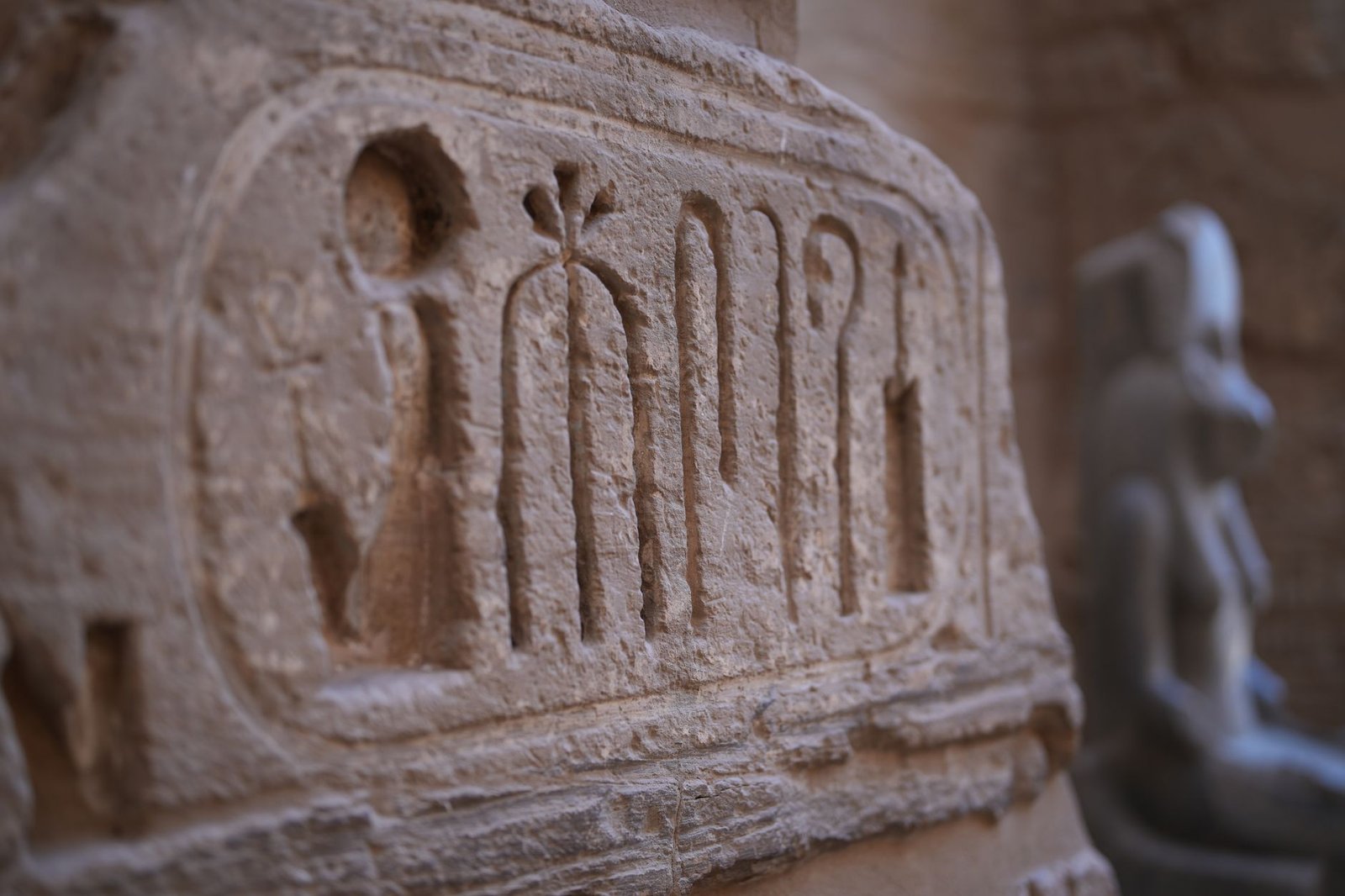
What Is a Cartouche in Egyptian Mythology?
A cartouche in Egyptian mythology is not a deity or magical relic, but an oval hieroglyphic frame used to enclose royal names and express ideas of protection, legitimacy, and eternity. Understanding what is a cartouche in Egyptian mythology reveals how ancient Egyptians linked writing, divine kingship, and the enduring power of a name.
Sema-Tawy Symbol in Egyptian Mythology: Meaning and History
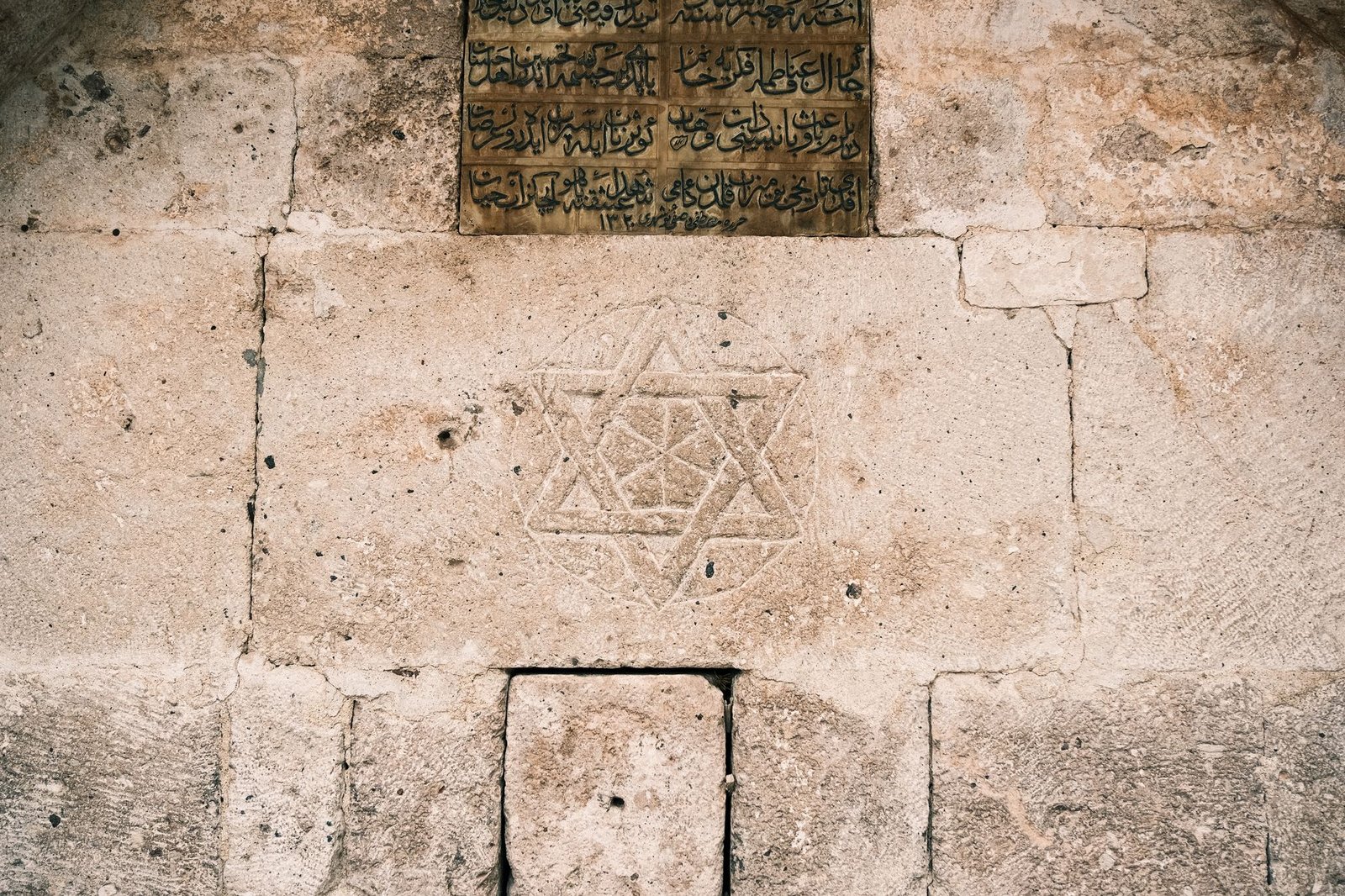
The sema-tawy symbol in Egyptian mythology represents the sacred union of Upper and Lower Egypt, expressing the pharaoh’s role in preserving order, legitimacy, and balance. This article examines its meaning, visual form, and royal context, showing how a seemingly simple motif reveals the political and religious logic of ancient Egypt.
What Is the Djed Pillar in Egyptian Mythology?
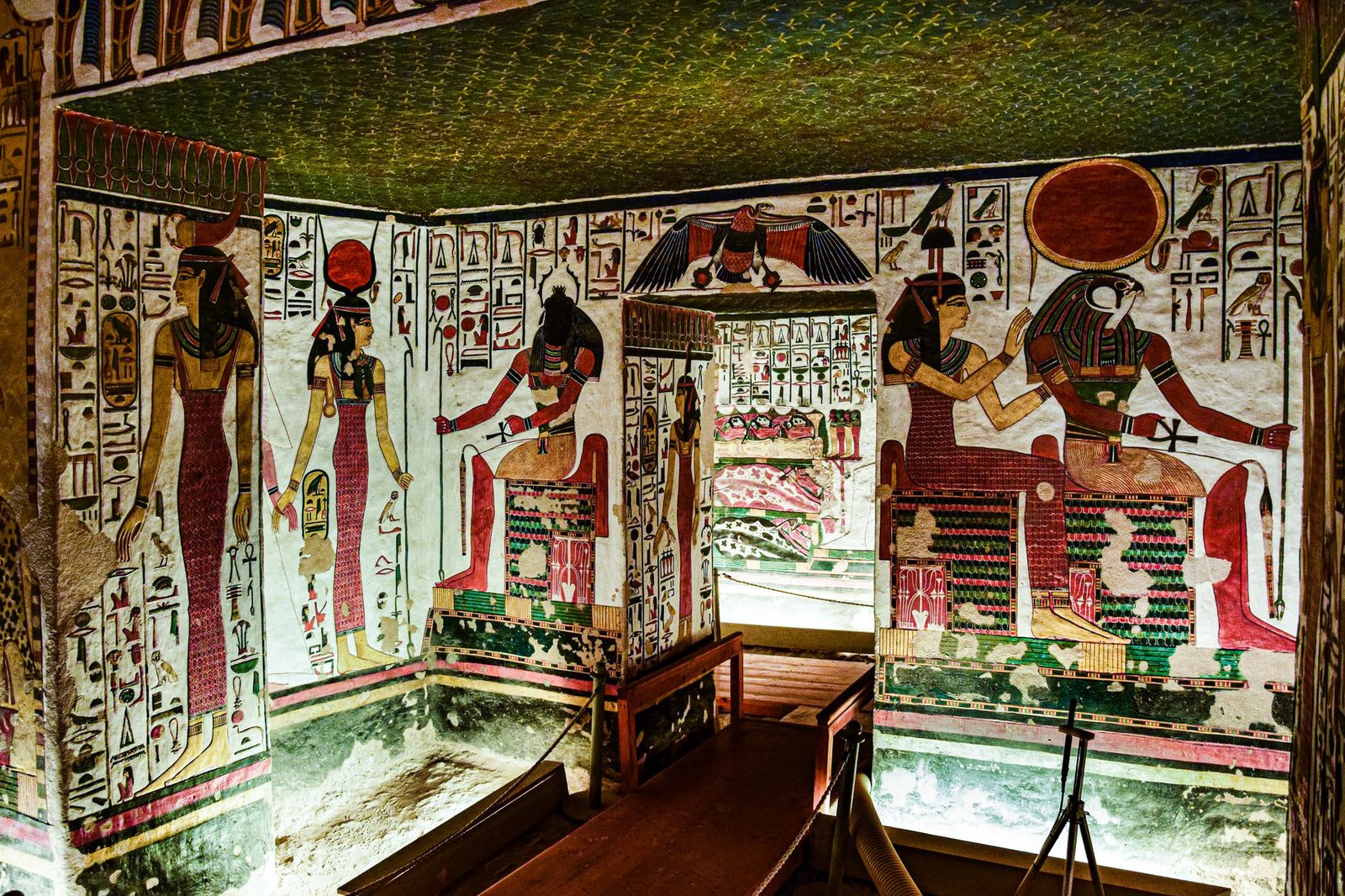
The **Djed pillar** is a central symbol in Egyptian mythology, closely linked to Osiris and the ideas of stability, endurance, and renewal. This brief overview explores its uncertain origins, ritual uses, and deeper meaning in funerary belief, revealing why the emblem remained vital to ancient Egyptian religious life.

Feather of Ma’at in Egyptian Mythology: Meaning and Symbolism
The feather of Maat in Egyptian mythology is the emblem of truth, justice, balance, and cosmic order, most often represented by an ostrich feather linked to the goddess Maat. Central to funerary belief, it played a decisive role in the judgment of the dead, where a soul’s heart was measured against it to reveal moral worth and eternal fate.

What Does the Was Scepter Symbolize in Egyptian Mythology?
The **was scepter** is a central emblem in Egyptian mythology, symbolizing power, dominion, divine authority, and the ordered rule that sustains both kingship and the cosmos. Found in the hands of gods, pharaohs, and priests, it raises deeper questions about how ancient Egyptians linked legitimacy, strength, and sacred authority.
Lotus Flower Symbolism in Egyptian Mythology Explained
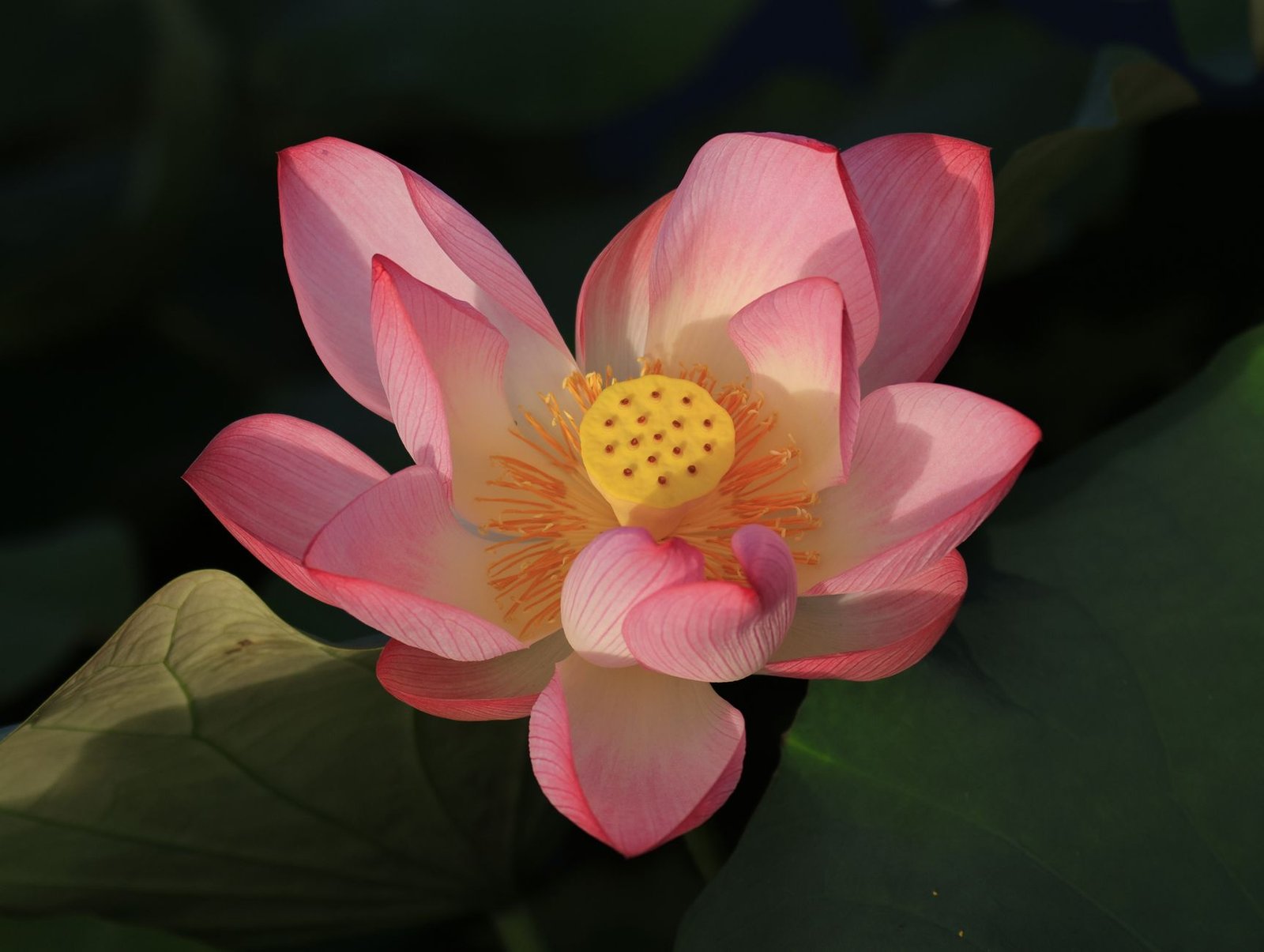
In Egyptian mythology, the lotus flower symbolizes creation, rebirth, the sun, purity, and the renewal of life, its daily opening and closing making it a potent image of cosmic order. To understand what does the lotus flower symbolize in Egyptian mythology, one must trace its role from the primeval waters of chaos to temple art, funerary rites, and royal imagery.
What Is the Ba in Egyptian Mythology? Definition and Meaning
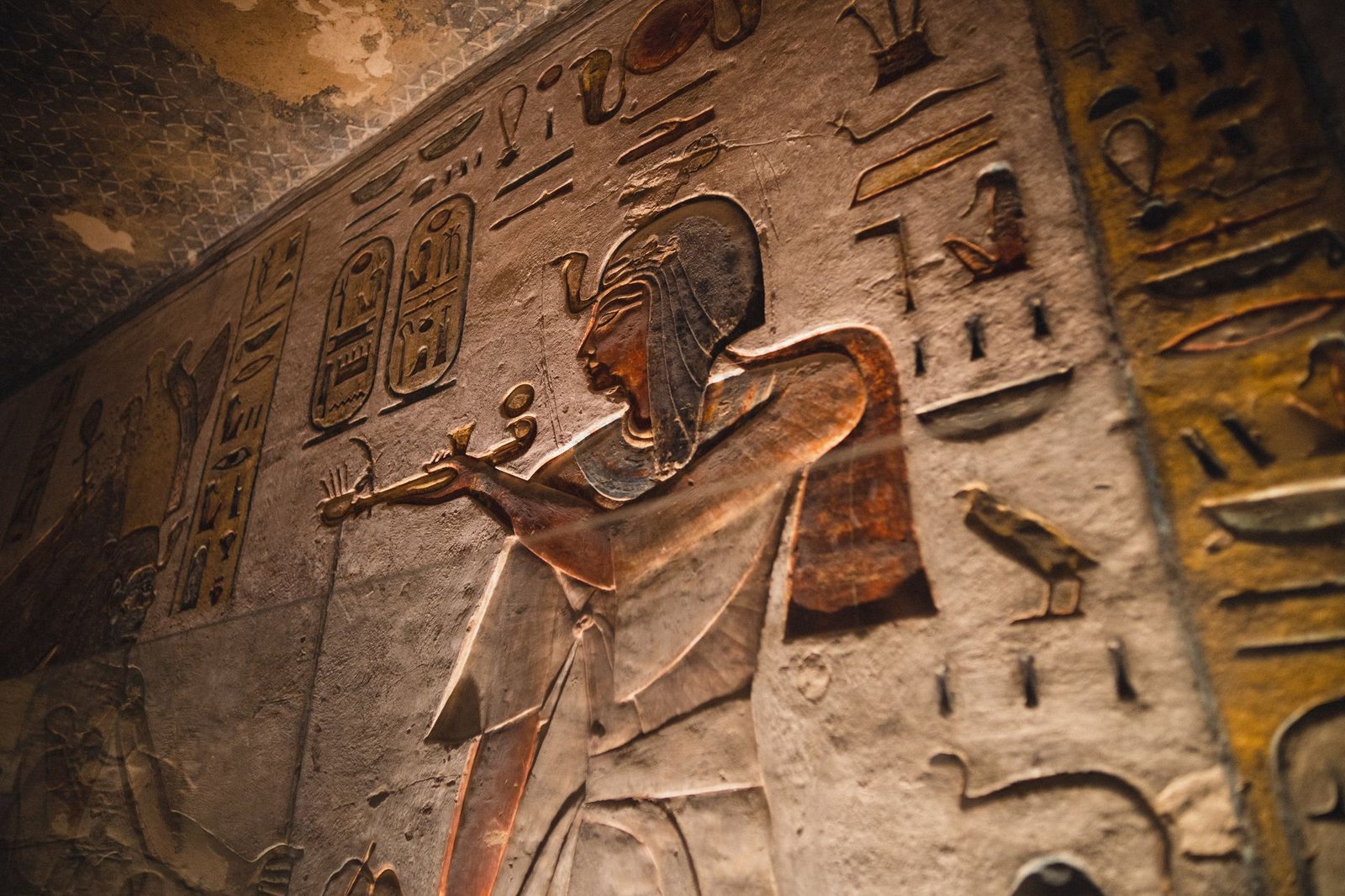
The ba in Egyptian mythology was a vital aspect of identity, often translated as “soul” but better understood as a mobile force that linked a person to life, death, and the afterlife. Its role in funerary texts, temple belief, and ancient symbolism reveals a far more complex view of the self than modern readers might expect.
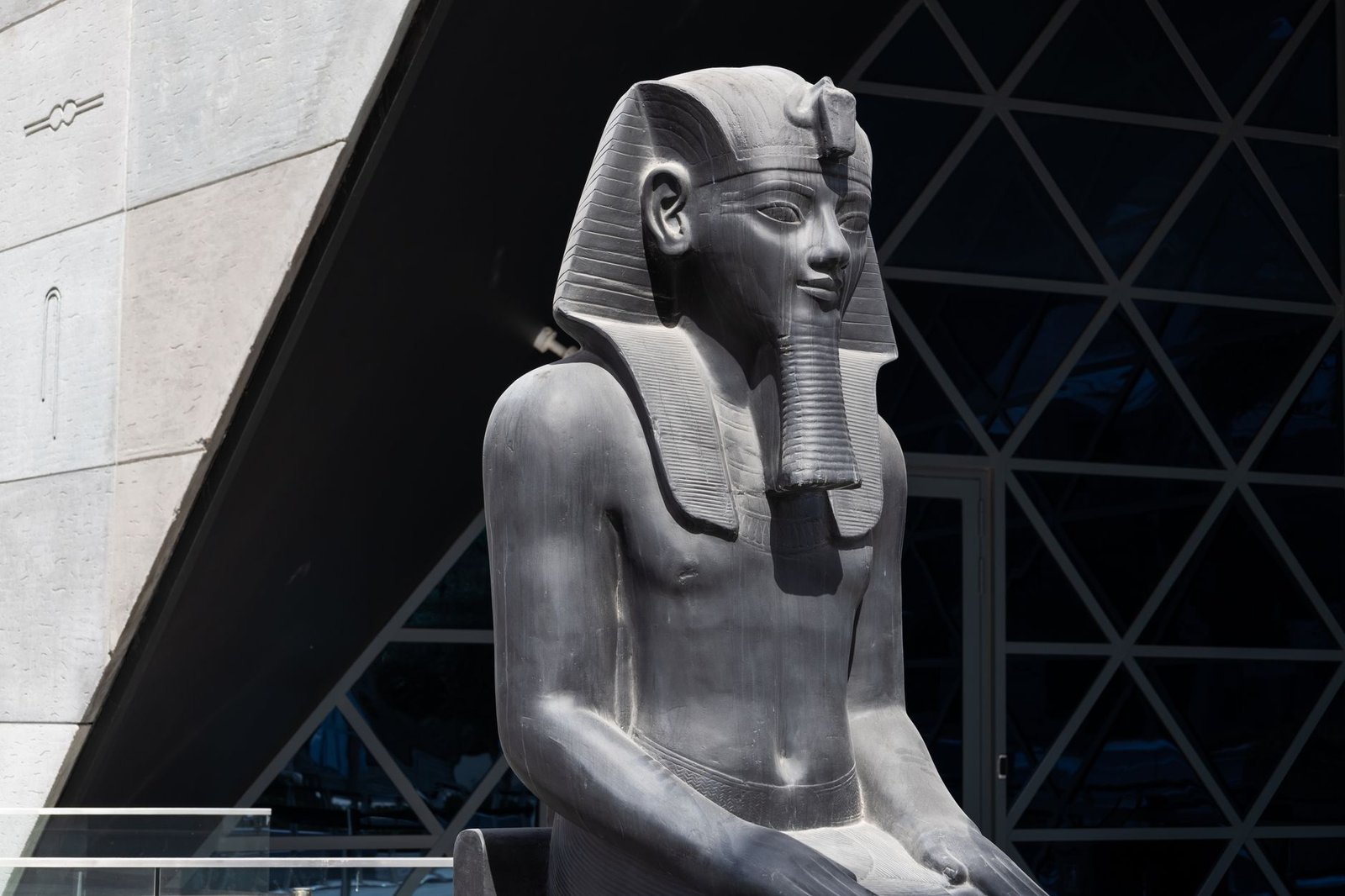
What Is the Ka in Egyptian Mythology?
In Egyptian mythology, the ka was the vital force or spiritual double that gave a person life and endured after death, making it central to ideas of identity, offerings, and the afterlife. Exploring the ka reveals how ancient Egyptians understood human beings as complex spiritual wholes and why funerary ritual mattered so deeply.
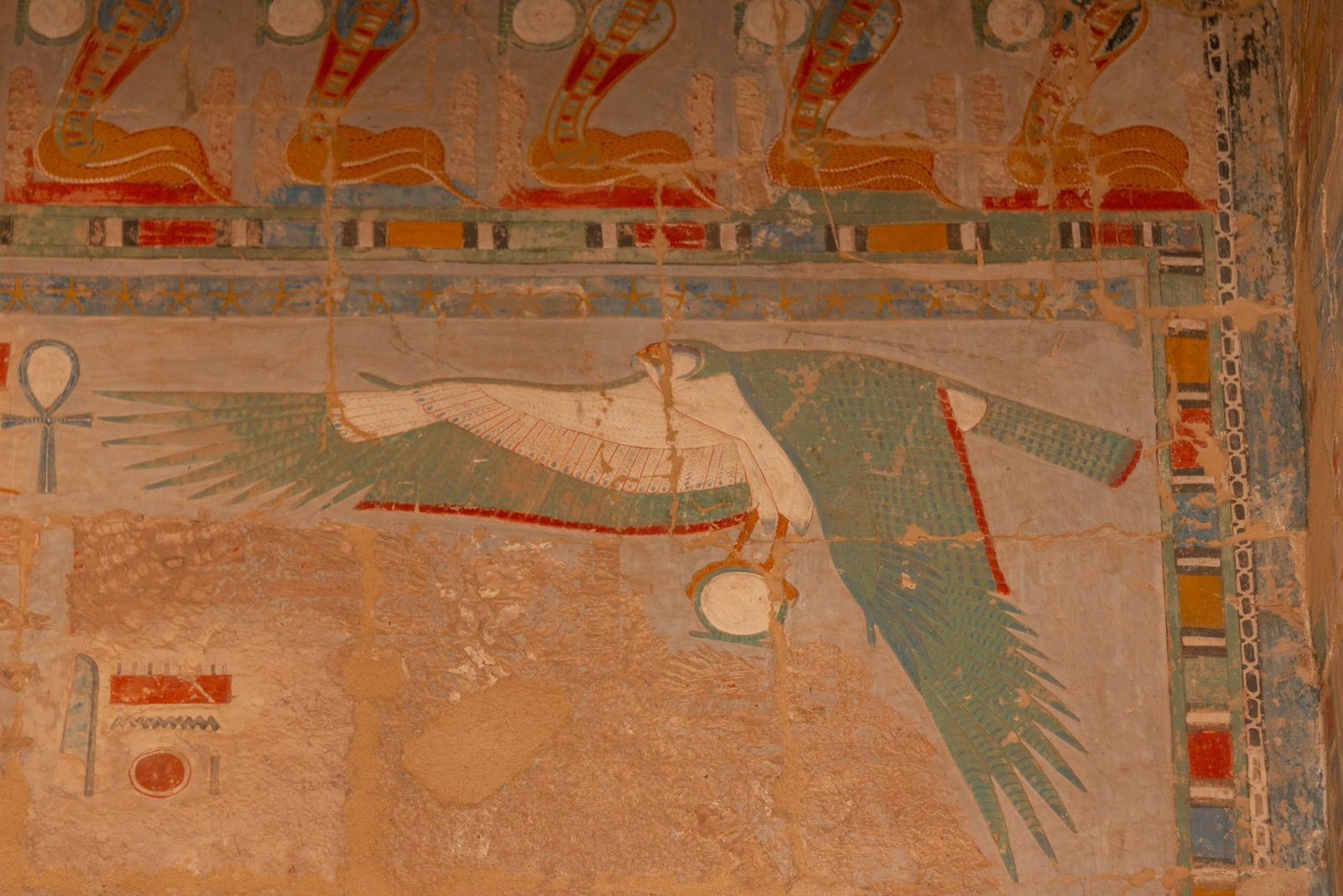
Menat Necklace in Egyptian Mythology: Meaning and Symbolism
The menat necklace in Egyptian mythology was far more than ornament: it was a sacred ritual object linked to Hathor, Isis, fertility, protection, and divine nourishment. This excerpt explores its origins, symbolic meanings, and ceremonial uses, revealing why the menat remains essential to understanding ancient Egyptian religion.
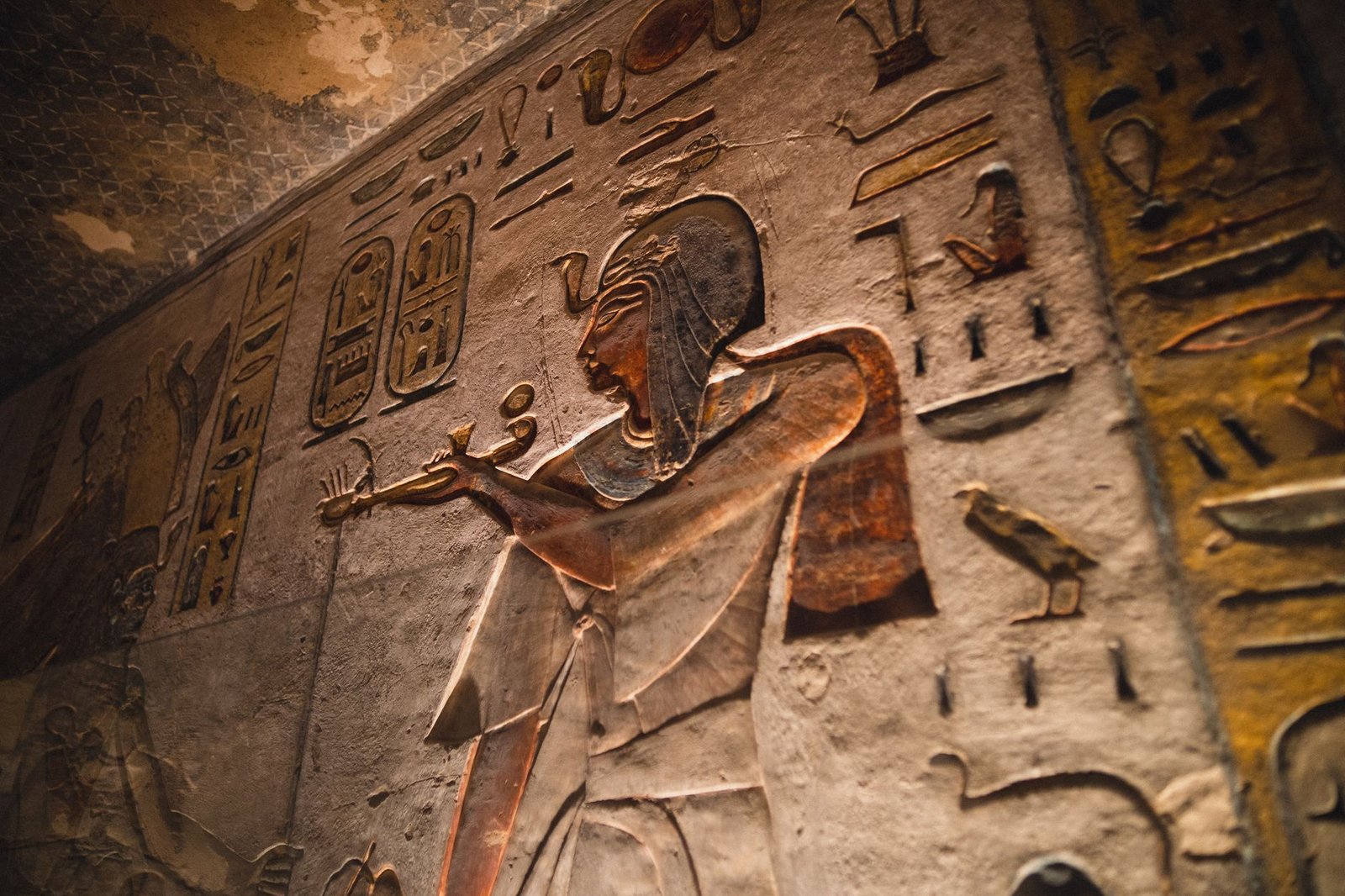
What Is the Sistrum in Egyptian Mythology?
The sistrum in Egyptian mythology was a sacred rattle used in temple rituals, processions, and ceremonies, especially in honor of Hathor and later Isis. More than a musical instrument, it symbolized the power of sound to delight deities, protect against harmful forces, and sustain sacred order, revealing why it appears so often in Egyptian art and ritual scenes.